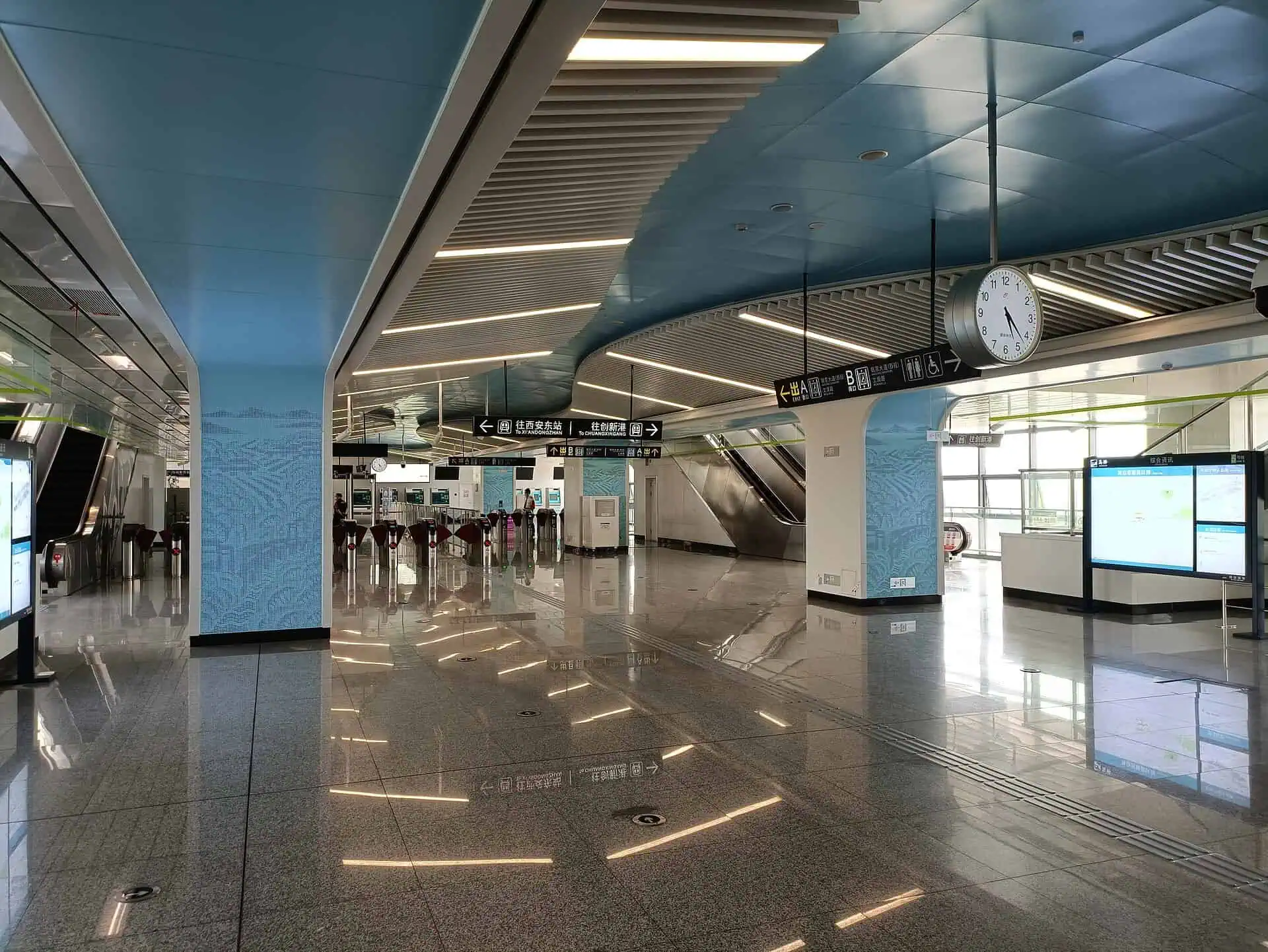
Slow travel in Xi'an: how to live here for a month
Xi'an works better as a place to live than as a place to sprint through. Rent is a fraction of Shanghai's, dinner can cost less than a London coffee, and the density of history means you can sightsee at a walking pace for weeks without repeating yourself. Here's how to set up a month — where to base, which apps make daily life function, how to eat on ¥50 a day, and the visa math you need to get right before you book anything.
The short version
- A month in Xi'an is cheap by any Western measure: figure roughly ¥7,000 (about US$1,000) all-in for a frugal but comfortable month.
- Base yourself inside the City Wall or just south of it — walkable, on the metro, and surrounded by markets.
- Daily life runs on five things: a Chinese SIM, a VPN, Alipay/WeChat Pay, Amap, and DiDi. Set them up in your first 48 hours.
- Visa reality: most tourists get 30 days per entry. The 240-hour visa-free transit is for transiting only — you cannot live on it.
Why Xi'an rewards a month
Most visitors give Xi'an (西安, Xī'ān) two days: the Terracotta Army, the wall, a spin through the Muslim Quarter, gone. That's enough to see the highlights and miss the city entirely. Xi'an's case for a longer stay rests on four things.
It's cheap. A bowl of biangbiang noodles costs about ¥18; a metro ride starts at ¥2; a month of eating out three meals a day, local-style, comes in under ¥2,000. Your money goes roughly twice as far here as in Shanghai or Beijing — see our trip cost guide for the full breakdown.
The history doesn't run out. Xi'an was the capital of thirteen dynasties, and the sites are spread across the whole metro area — Han tombs in the northern suburbs, Tang palace foundations downtown, Buddhist temples in the southern hills. At tourist pace that's exhausting; at resident pace it's a pleasant Saturday habit. Our short history of Xi'an gives you the spine.
The food is a daily hobby. This is a wheat-and-lamb city — noodles, flatbreads, dumplings, soups — where breakfast is a destination in itself. A month is enough time to stop reading menus and start having opinions.
It's a gateway west. Xi'an is the rail and air hub of northwest China: high-speed trains to Lanzhou (兰州, Lánzhōu) and on toward Ürümqi, and direct flights into Central Asia. If your longer trip bends toward the old Silk Road, this is where it starts — fittingly, since it started here the first time too.
Where to base for a month
For a first month, stay central. Three areas make sense:
- Inside the City Wall — maximum atmosphere, markets and the Muslim Quarter on your doorstep, everything walkable. Older building stock; check the plumbing before you commit.
- South Gate & Beilin — just south of the wall, the sweet spot for most long-stayers: cafes, the Shuyuanmen street, metro line 2, and the best running loop in China (the wall itself) a few minutes away.
- Xiaozhai & the museum district — younger, louder, student-heavy, on the junction of metro lines 2 and 3. Cheaper rents and the best cheap eating, at the cost of some charm.
What it costs. Ballpark figures from local listings: a room in a shared flat or a small studio in a 城中村 (chéngzhōngcūn, "urban village" — dense, cheap, semi-formal neighborhoods) runs about ¥1,800 a month, with ¥1,500 at the scruffy end and ¥2,500 for something decent with a private bathroom. A proper one-bedroom in a modern compound is ¥3,000 and up. Some hostels do monthly bed rates — ask in person, as these are rarely listed online. Treat all of these as order-of-magnitude; the market moves and your mileage depends on the season and your Chinese.
The registration catch. Every foreigner in China must register their address with the police within 24 hours of moving in. Hotels and hostels do it for you automatically at check-in; a private rental means you go to the local police station (派出所, pàichūsuǒ) yourself, with your passport, lease and sometimes the landlord in tow. Some landlords won't rent to foreigners precisely because of this paperwork — ask before you pay a deposit. Our hotels guide covers the registration system in detail, and the where to stay guide compares the neighborhoods.
The daily-life stack
China's daily infrastructure is superb once you're inside it and useless until you are. Set this up in your first two days, ideally with help from your hostel desk:
- A Chinese SIM — you need a local number to register for almost everything. See the SIM card guide.
- A working VPN — install and test it before you arrive, since app stores and VPN sites are blocked inside China. The internet, eSIM & VPN guide explains the options.
- Alipay and WeChat Pay — cash is close to dead; even the ¥5 breakfast stall scans a QR code. Both apps now accept foreign cards. Setup walkthrough in money & payments.
- The core apps — Amap for maps, DiDi for rides, Meituan for food delivery, a translation app with offline Chinese. Full list: essential apps.
- Maps that actually work — Google Maps is unreliable here; Amap (高德地图, Gāodé Dìtú) is what locals use. Maps in China covers the workarounds.
- Getting around — the metro is clean, cheap and signed in English; DiDi fills the gaps after the trains stop around 23:00; and shared bikes are the correct way to cover the 2–4 km trips that define daily life here. The getting around guide ties it together.
One honest warning: none of this is hard, but all of it is front-loaded. Budget a frustrating first 48 hours of QR codes, real-name verification and SMS codes. After that, life gets very smooth.
Eating like a local
A month is when Xi'an's food stops being a checklist and becomes a routine. The rhythm to copy:
Breakfast is the main event. Get up early at least a few times a week for the Xiaonanmen morning market under the south wall — a bowl of meatball hulatang (胡辣汤, húlàtāng) for about ¥8, or a slab of zenggao (甑糕, zènggāo), the sticky date-and-rice cake, for about ¥5. Markets like this are where the city eats before work; our market hours guide maps the rest of the day's cycle.
Find a canteen street, not a food street. Sajinqiao (洒金桥, Sǎjīnqiáo), north of the Muslim Quarter's tourist core, is where neighborhood Hui families actually eat — paomo, skewers, soup dumplings, at local prices with local manners. The local eats guide lists the dishes worth building habits around.
Learn to order without a menu. Pointing works, but ten sentences work better — the ordering food guide has the phrases, and the Muslim Quarter eats guide explains the etiquette of the Hui-run kitchens you'll end up eating in most often. Budget ¥30–50 a day and you'll eat very well; the trap is not cost but monotony — rotate your noodles.
Things to do on a slow clock
The luxury of a month is doing things that don't fit in an itinerary.
- Hike the Zhongnan Mountains (终南山, Zhōngnán Shān) — the Qinling foothills an hour south of the city, dotted with Taoist and Buddhist hermitages that have housed recluses for two thousand years. Local hiking clubs run weekend trips; see the Zhongnan & Chang'an area guide.
- Do the Thursday or Sunday market at Xicang — birds, crickets, goldfish, curios and junk on the site of an old grain depot. Even if you buy nothing, it's the best free theater in town.
- Catch a band at Dahua 1935 — the converted textile mill hosts touring Chinese indie acts; tickets run about ¥140 and up. Our nightlife & craft beer guide has the current rooms.
- Claim a cafe on Defu Lane — the bar lane doubles as a daytime cafe strip, and several places tolerate a laptop for the price of a coffee. The practical remote-work reality: bring your own VPN, expect afternoon crowds on weekends.
- Try the hanfu photoshoot — yes, it's touristy, and yes, doing it on a random Tuesday in your fourth week, when the crowds are thin and you know the backdrops, is exactly the kind of thing a month lets you do properly.
- Repeat the big sights slowly. The City Wall at dawn, the Small Wild Goose Pagoda in the rain, the Shaanxi History Museum one gallery at a time. Slow travel's real dividend is second visits.
Visa reality check
This is the section to read twice, because everything else in this guide is moot if you get the paperwork wrong. Rules as of mid-2026 — re-verify before you book, since China's entry policies have been changing quickly:
- Tourist (L) visa: the common outcome is 30 days per entry — enough for the month this guide describes, with no slack. Some nationalities and visa histories get 60 days or multi-entry visas, but the per-entry stay is what matters, and it's printed on your visa. Details: visa & entry guide.
- 30-day visa-free entry: citizens of a growing list of countries now get 30 days visa-free for tourism. Convenient, but the same math applies: 30 days, counted from the day after arrival.
- The 240-hour visa-free transit is not a visa. It gives you up to 10 days, requires a confirmed onward ticket to a third country or region, confines you to a designated area, and cannot be converted into another status once you're inside China. It exists for layovers, not living — see the visa-free transit guide before you get clever with it.
- Do not overstay. Illegal residence is fined at ¥500 per day, capped at ¥10,000, with detention possible in serious cases — and even a paid fine can complicate every future Chinese visa application. If you want more than your stamp allows, the legal route is an extension at the Exit-Entry Administration bureau before your stay expires, not a quiet extra week.
The clean setup for a month: a tourist visa or visa-free entry giving 30 days, flights booked within that window, and an address you can register within 24 hours of arrival.
Questions, answered
Can I stay in Xi'an for a month on a tourist visa?
Usually yes — the standard tourist (L) visa gives 30 days per entry, and many nationalities now get 30 days visa-free. Both cover exactly a month with no margin for error. The 240-hour visa-free transit (10 days) is for transit only and can't be extended or converted. For anything longer, ask the Exit-Entry Administration about an extension before your stay expires — never overstay, since fines run ¥500 per day.
How much does a month in Xi'an cost?
Ballpark: about ¥7,000 (roughly US$1,000) covers a frugal but comfortable month — around ¥1,800 for a room in a shared flat or urban-village studio, ¥30–50 a day eating local, plus metro, bikes and the odd livehouse ticket. Double that if you want a private modern apartment and Western food habits.
Is Xi'an safe for long-term travelers?
Yes — violent crime against foreigners is rare, and central districts stay busy late. The real risks are mundane: traffic (e-bikes do not yield), summer heat, winter air quality, and the odd rental scam. Register your address with the police within 24 hours of moving in — it's a legal requirement and the first thing that distinguishes residents from tourists. Our health & safety guide covers the rest.
Do I need to speak Chinese to live in Xi'an for a month?
You can survive without it — translation apps handle menus and landlord chats, and younger locals often have some English — but daily life gets noticeably easier and cheaper with even basic Mandarin: market prices, rental negotiations and police-station registration all run in Chinese. Xi'an is not Shanghai; English is thinner on the ground here, which a month gives you time to adjust to.
Places in this story
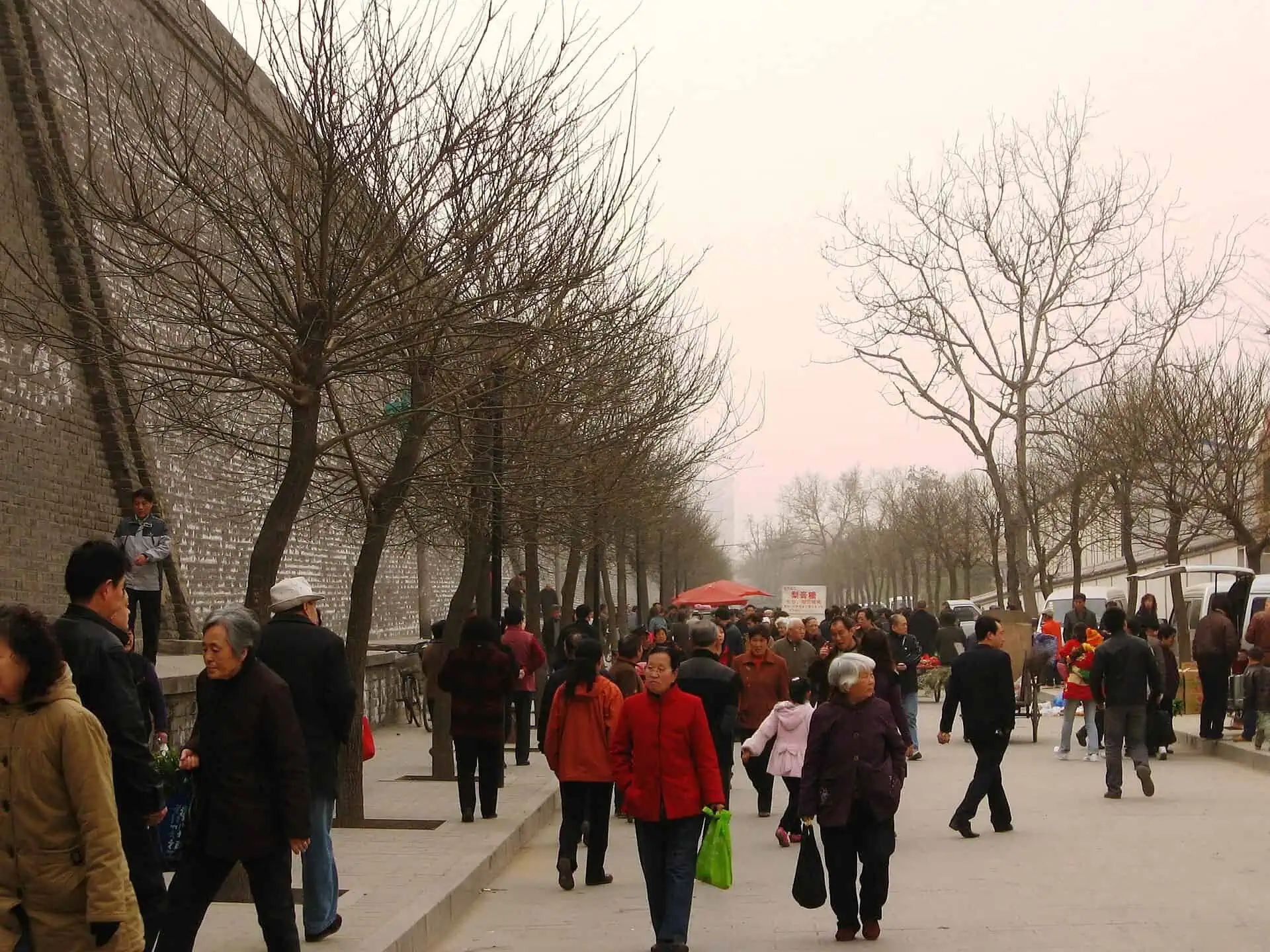
Xiaonanmen Morning Market
Breakfast at the foot of a 600-year-old wall — the best hour in Xi'an is over by 9 a.m.
Learn more →
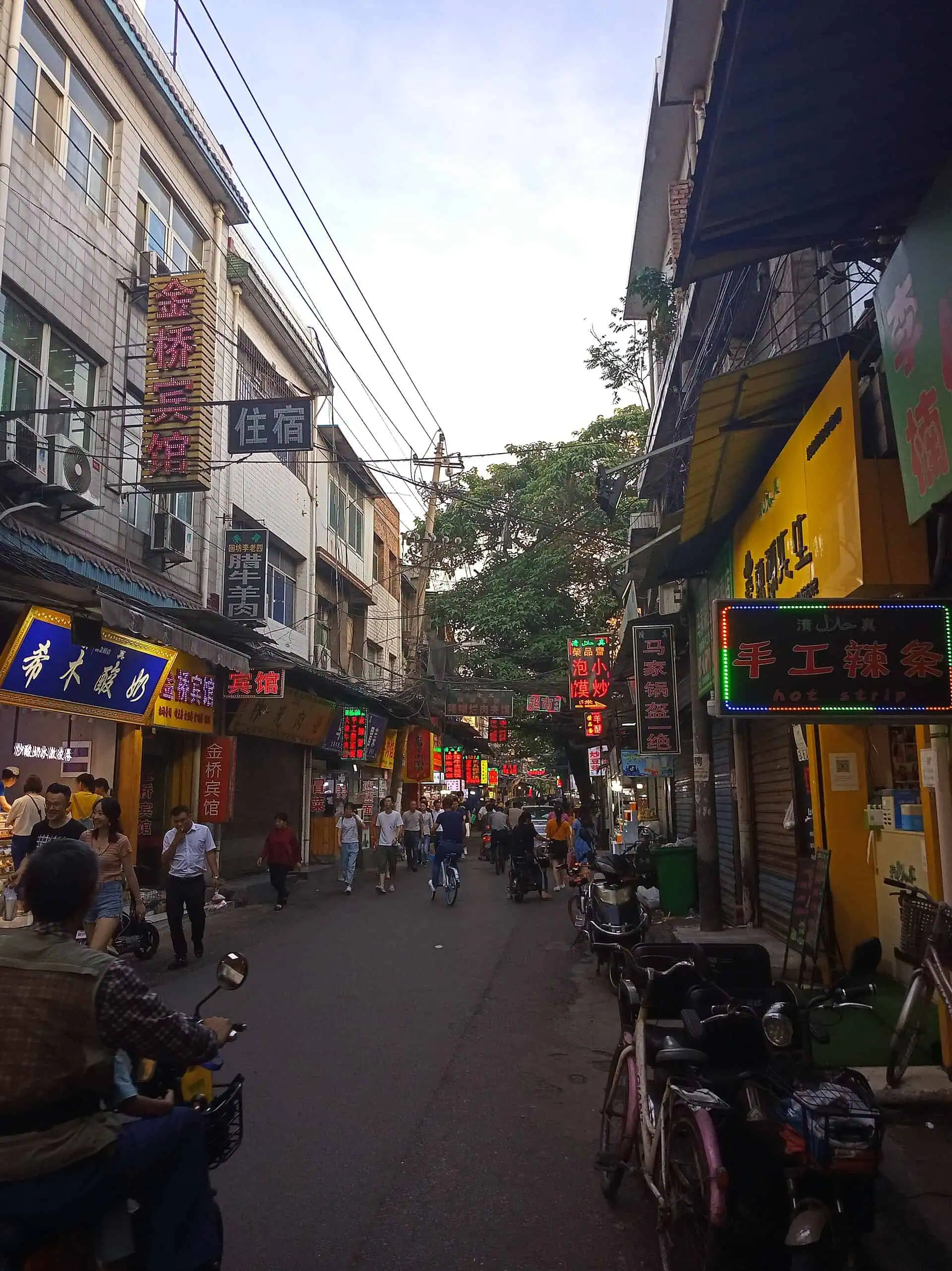
Sajinqiao Food Street
The food street Xi'an locals actually eat at — ten minutes' walk and a world away from the Muslim Quarter's tourist strip.
Learn more →
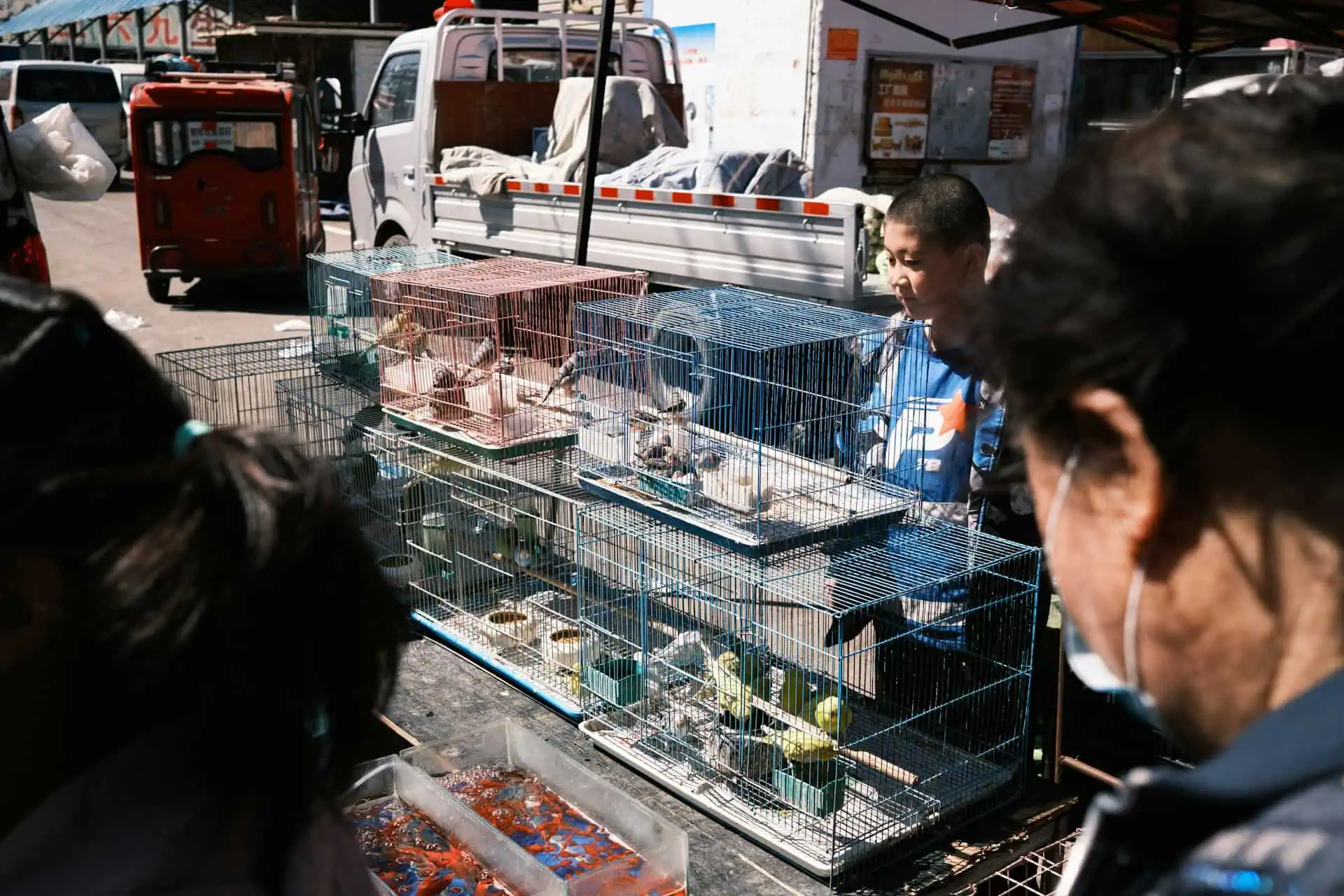
Xicang Market
Cricket sellers, pigeon fanciers and junk stalls in the shadow of a Ming granary — Xi'an's oldest running flea market, two mornings a week only.
Learn more →
Dahua 1935
A 1935 cotton mill reborn as museums, graffiti walls and Xi'an's best-known livehouse — industrial heritage with a pulse.
Learn more →
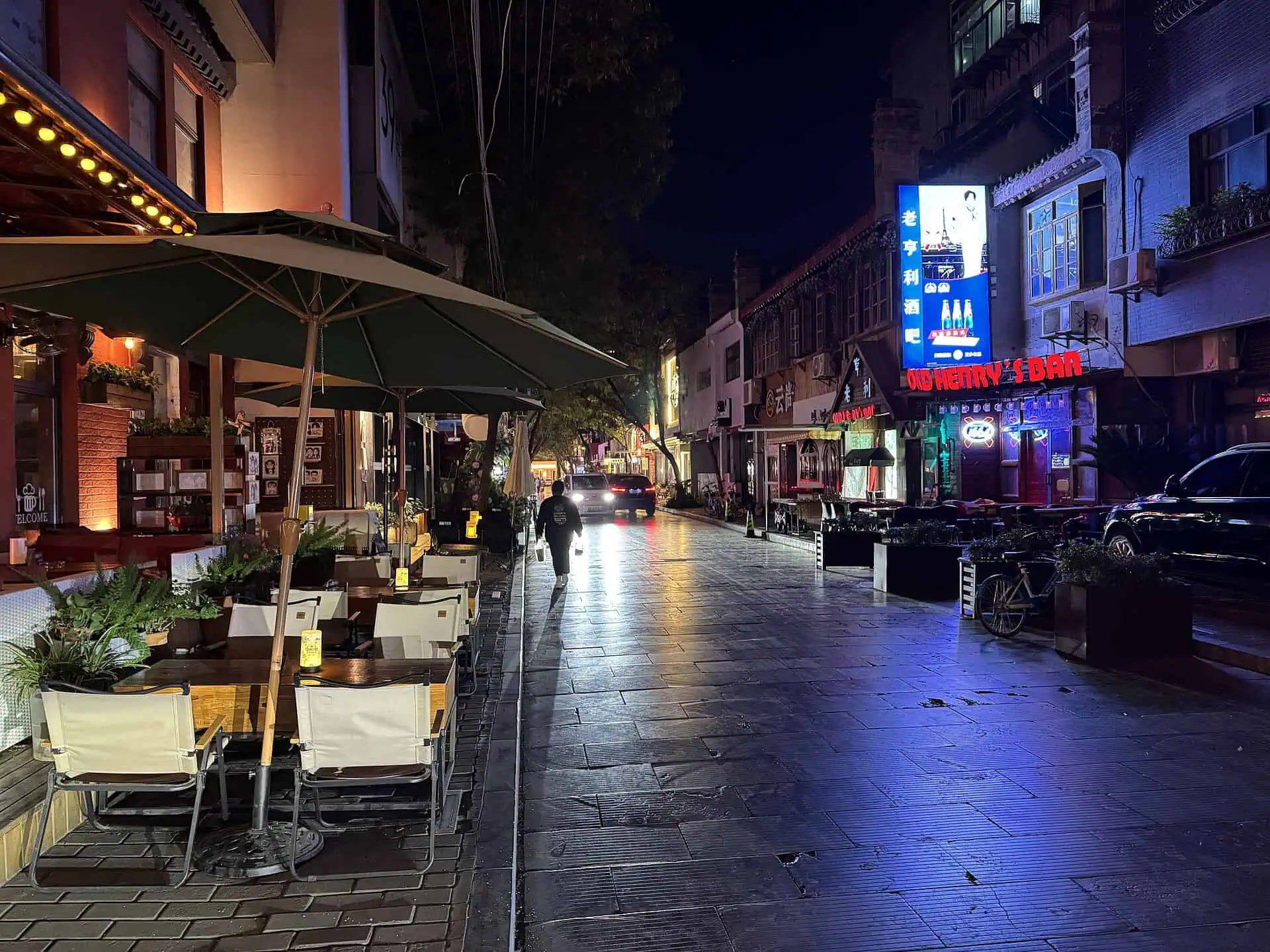
Defu Lane
Xi'an's original coffee-and-cocktail street, one grey-brick block inside the South Gate.
Learn more →
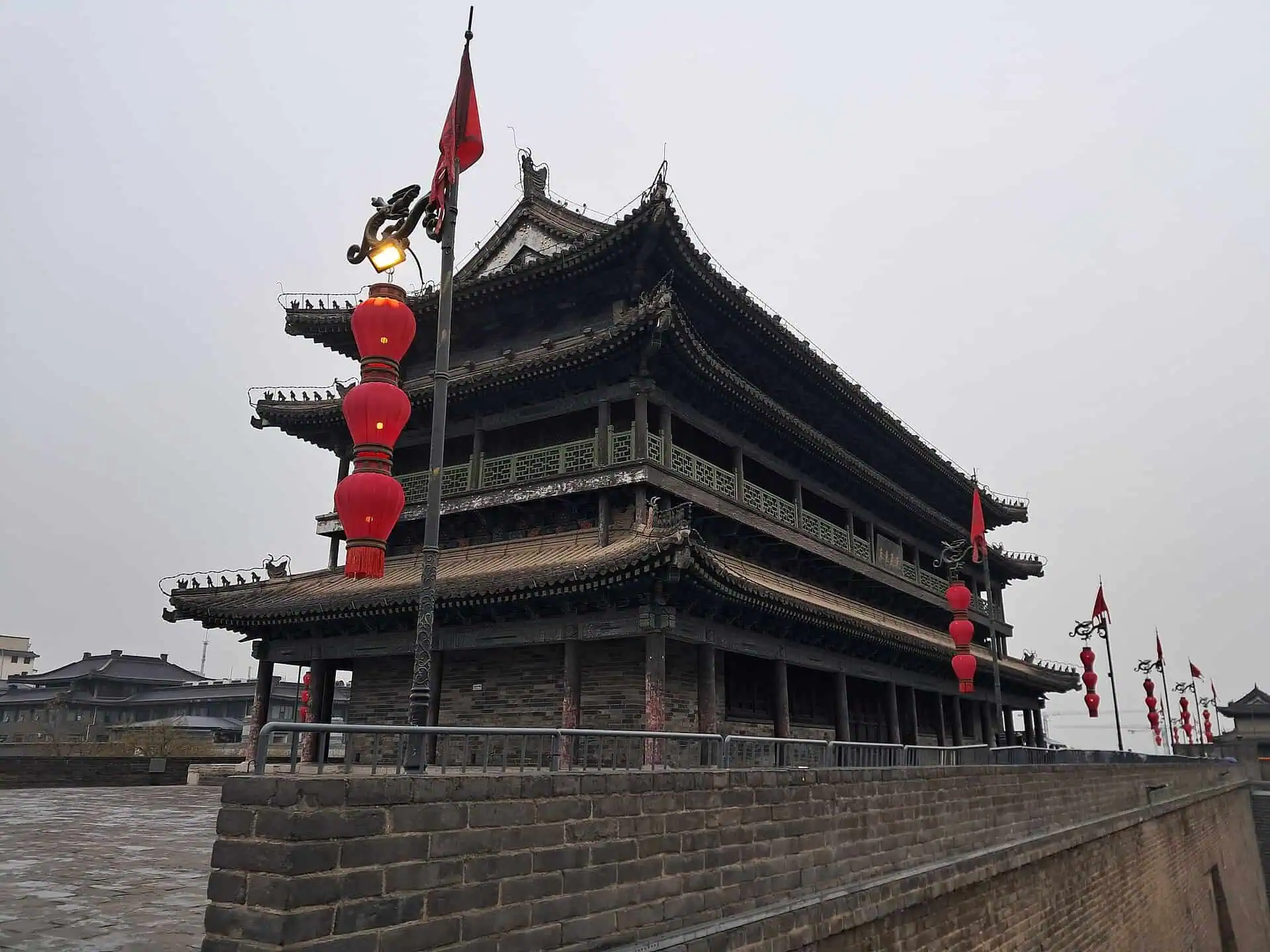
Xi'an City Wall
A 14-kilometer Ming dynasty rectangle you can cycle on top of — 650 years old and still the city's favorite commute.
Learn more →

Small Wild Goose Pagoda & Xi'an Museum
A Tang pagoda from 707 AD that outlasted China's deadliest earthquake — free, calm, and half the crowds.
Learn more →

Shaanxi History Museum
Every layer of Xi'an's time stack under one roof — Zhou bronzes, Han gold and Tang treasure.
Learn more →
Keep exploring
Visas & entry: do you need one?
Probably less paperwork than you fear — and two of the doors now have their own deep-dive packages: the 30-day visa-free entry (~50 countries) and the 240-hour transit (55 countries, including the US). This page is the router: work out which door is yours, then read its package.
The 240-hour visa-free transit, explained
Ten days in China without a visa, if you're just passing through — including Americans. The rules, the traps, and how to run it through Xi'an.
The 30-day visa-free entry: who gets in free
Around 50 countries can now enter China for up to 30 days with no visa at all — no transit logic, no onward-ticket games. Most of Europe, the UK, Canada, Australia and more. The US is not on the list.