Health & safety in Xi'an: a calm, practical guide
Xi'an is one of the safest big cities you'll ever visit — violent crime against tourists is rare, and solo travelers, including women walking at night, report few problems. The genuine risks are mundane: traffic, trip hazards, tap water you shouldn't drink, winter air and summer heat. Here's how to handle each.
9 min read · 7 sections
The short version
- Xi'an is very safe by global standards — the real hazards are traffic when crossing streets and uneven paving, not crime.
- Don't drink the tap water. Boiled or bottled water is everywhere; bottled water costs a few yuan.
- Eat where it's busy: a packed stall means fast turnover and fresh ingredients. Food poisoning is uncommon with this one rule.
- Winter air quality can spike (AQI above 150) — check an AQI app and carry a KN95 mask in the cold months.
- Emergency numbers: 110 police, 120 ambulance, 119 fire. For anything serious, head to a hospital with an international department.
- Travel insurance that covers China is essential — hospitals expect payment upfront and you claim it back later.
The short answer
Come without anxiety. Xi'an is a city of 13 million where tourists — including solo women, older travelers and families — routinely walk back from the Muslim Quarter at midnight without incident. Violent crime against visitors is rare; petty theft exists but is far below the levels of Paris or Barcelona.
The risks that actually catch people are boring: a scooter you didn't hear while crossing the road, a loose paving stone after rain, an unsettled stomach in week one, a bad air day in January. Every section below is about one of those. Read it once, take the obvious precautions, and then go enjoy the trip — the 3-day itinerary is a better use of your planning energy than worrying.
Crime, scams and the real risks
Crime: pickpocketing is the main one, and it's concentrated where tourists compress — the Muslim Quarter's main lanes on a weekend night, crowded metro cars, the queue areas at the Terracotta Army. Phone in a front pocket or zipped bag and you're fine. Bag-snatching and muggings are rare enough to be newsworthy.
Scams: Xi'an has fewer than Beijing or Shanghai, but the classics circulate — over-friendly "students" wanting to practice English who steer you toward an overpriced tea house or art show, the occasional rigged taxi meter (use DiDi and the problem disappears), and a cluster of named traps around the Terracotta Army: counterfeit "exhibition pits" of fake warriors that touts and some buses divert you to before the real museum; a "meet the farmer who discovered the warriors" book-signing that exists to sell overpriced books (the 1974 find was a team of well-diggers, not one hero); and private minibuses masquerading as the official tourist bus 游5 (the real one is the municipal 306, fixed ¥7 fare, from Xi'an Station's east square). The universal rule: be polite, decline, buy official tickets only, and never follow a stranger to a second location.
Traffic is the biggest real danger. Vehicles, including silent electric scooters, often do not yield to pedestrians — even at crossings, even on green walk signals, sometimes on sidewalks. Cross defensively: wait for a gap or a local group, make eye contact, and never assume right of way. This single habit matters more than everything else on this page combined.
Trip hazards: uneven paving, unmarked steps, open cellar hatches and dim stairwells are part of the streetscape. Watch your footing, especially at night and on ancient sites with worn stone — the City Wall's steps have been polished by centuries of feet.
Water and food
Don't drink the tap water. Xi'an's municipal water isn't potable by Western standards — locals boil it, and so should you. Every hotel room has a kettle or a hot-water dispenser, and bottled water costs a few yuan at any convenience store. Brushing teeth with tap water is fine for most people; if you have a sensitive stomach, use bottled for that too. Ice in established restaurants and chain cafés is generally made from filtered water; at a street stall, skip it.
Food safety logic: the rule that protects you is turnover, not price or appearance. A stall with a queue of locals at 19:00 is cooking ingredients bought that morning and selling out by 21:00 — nothing sits around. A quiet stall with pre-cooked trays at an off hour is the actual risk, whatever it looks like. Follow the crowds in the Muslim Quarter, eat food cooked hot in front of you, and peel your own fruit. First-week stomach adjustment is common even with zero hygiene failures — different oils, spices and microbes. It passes; carry your usual remedies.
Air quality
Xi'an sits in the Wei River valley, and winter air can be genuinely poor: between roughly November and February, stagnant high-pressure episodes trap pollution and the AQI can spike into the 150–250 range for days at a stretch. Spring occasionally adds dust blowing in from the northern deserts. Summer and autumn are usually much better.
Practical handling:
- Check before you plan the day. AQI apps (IQAir is the standard) show real-time and forecast readings; several apps on our essential list need connectivity sorted first — see the internet & eSIM guide.
- AQI below 100: carry on as normal.
- AQI above 150 (the "unhealthy" band): sensitive groups — children, older travelers, anyone asthmatic — should cut outdoor exertion; a KN95/FFP2 mask makes a real difference on a bad day. Buy a few at home or at any local pharmacy.
- Build flexibility into winter trips. Swap a bad-air afternoon for the Shaanxi History Museum or the Forest of Steles — Xi'an's indoor depth is exactly why winter visits still work. Season-by-season detail: best time to visit.
Hospitals, clinics and pharmacies
For anything serious, the most foreigner-friendly option is the Xi'an International Medical Center (西安国际医学中心医院, Xī'ān Guójì Yīxué Zhōngxīn Yīyuàn) — a large, JCI-accredited private hospital in the High-Tech Zone with an international medical department used to foreign patients. Metro Line 6 has a station named for it with a direct walkway, which beats an ambulance ride in traffic for anything non-critical. Xi'an's big public tertiary hospitals (Xijing Hospital and its peers) deliver excellent medicine but with minimal English, long queues and a payment-first workflow — go with a Chinese-speaking helper if you end up there.
The workflow to expect everywhere: register and pay a small fee first, see the doctor, pay for tests before having them, pay for medication before collecting it. Keep every receipt for your insurer. Hospital staff rarely speak English outside international departments — have your hotel write your symptoms in Chinese, or use your translation apps.
Pharmacies (药店, yàodiàn) are everywhere — look for the green cross sign. They're good for basics: cold and stomach remedies, bandages, rehydration salts, masks. Many Western brand-name drugs are unavailable or sold under different names, and some common medications elsewhere (certain codeine- or pseudoephedrine-containing products) are controlled in China — bring adequate supplies of anything you rely on, in original packaging with a copy of the prescription.
Vaccinations: make sure routine shots are current; travel clinics commonly add Hepatitis A and Typhoid for China. See a travel-medicine clinic 4–6 weeks before departure for advice specific to you.
Emergency numbers and insurance
The numbers to save in your phone on day one:
- 110 — police
- 120 — ambulance
- 119 — fire
- 122 — traffic accidents
Operators generally speak Mandarin only. In an emergency, the fastest path is usually to hand the phone to a hotel staff member, a shopkeeper or a bystander — bystander help in China is real and immediate. Your embassy or consulate can assist with lost passports and serious incidents; save its number too (Xi'an has no US/UK consulates — the nearest are in Beijing, Shanghai, Guangzhou or Chongqing, so the phone matters).
Travel insurance is not optional. Chinese hospitals require payment at the point of service — insurance doesn't get you treated free, it reimburses you afterward, and medical evacuation (the expensive scenario) is only feasible with proper coverage. Buy a policy that explicitly covers China, includes medical evacuation, and covers any pre-existing conditions you have declared. Keep the insurer's 24-hour number and your policy number offline on your phone. Costs and what to budget are in the trip cost guide.
The small stuff nobody warns you about
- Summer heat: July–August regularly exceeds 35°C with strong sun. Sightsee at opening, retreat indoors 12:00–15:00, carry water — dehydration sneaks up on the City Wall's exposed brick.
- Squat toilets (蹲厕, dūncè): still common at older sights, stations and small restaurants. Western-style seated toilets are the norm in hotels, malls, museums and the metro. Carry tissues (many toilets don't provide paper) and hand sanitizer — the habit that prevents half of all travel stomach trouble.
- Air conditioning and heating extremes: indoor spaces run hot in winter and cold in summer; layer accordingly rather than fighting it.
- Food temperature culture: tap-water caution means drinks often come hot or room-temperature by default — ask for bīng de (iced) if you want cold.
- Sun and altitude of expectation: Xi'an is only ~400 m up — no altitude issues — but summer UV is strong and shade at the archaeological sites is scarce. Hat and sunscreen earn their luggage space.
Questions, answered
Is Xi'an safe for tourists?
Yes — very safe by global standards, including for solo travelers and women at night. Violent crime against visitors is rare. The realistic risks are traffic (vehicles and silent e-scooters often don't yield, even at crossings), pickpockets in crowded tourist zones, and trip hazards on uneven paving. Standard big-city awareness covers almost everything.
Can you drink the tap water in Xi'an?
No. Municipal tap water isn't potable — locals boil it. Use the kettle in your hotel room or buy bottled water (a few yuan everywhere). Tap water is generally fine for brushing teeth; ice at established restaurants is usually made from filtered water, but skip it at street stalls.
How bad is the air pollution in Xi'an?
It depends heavily on season. Winter (roughly November–February) brings stagnant episodes where AQI can spike above 150–250; spring occasionally has dust; summer and autumn are usually much better. Check an AQI app daily, carry a KN95 mask in the colder months, and swap outdoor plans for Xi'an's excellent museums on bad days.
What are the emergency numbers in China?
110 for police, 120 for ambulance, 119 for fire, 122 for traffic accidents. Operators typically speak Mandarin only — in an emergency, hand your phone to a hotel staff member or bystander to explain. For serious medical issues, go to a hospital with an international department, such as the Xi'an International Medical Center (Metro Line 6).
Do I need travel insurance for China?
Yes. Hospitals require payment upfront — registration, tests and medication are each paid for before they happen — so insurance reimburses rather than waives costs, and medical evacuation is only realistic with proper coverage. Buy a policy that explicitly covers China and medical evacuation, and keep the 24-hour assistance number offline on your phone.
Show your phone · tap to play
All emergency cards我需要看医生。
Wǒ xūyào kàn yīshēng.
I need a doctor.
我头疼。
Wǒ tóuténg.
I have a headache.
我肚子疼。
Wǒ dùzi téng.
I have a stomach ache.
药店在哪里?
Yàodiàn zài nǎlǐ?
Where is a pharmacy?
我发烧了。
Wǒ fāshāo le.
I have a fever.
我拉肚子了,要止泻药。
Wǒ lādùzi le, yào zhǐxiè yào.
I have diarrhea; I need anti-diarrhea medicine.
Places in this story
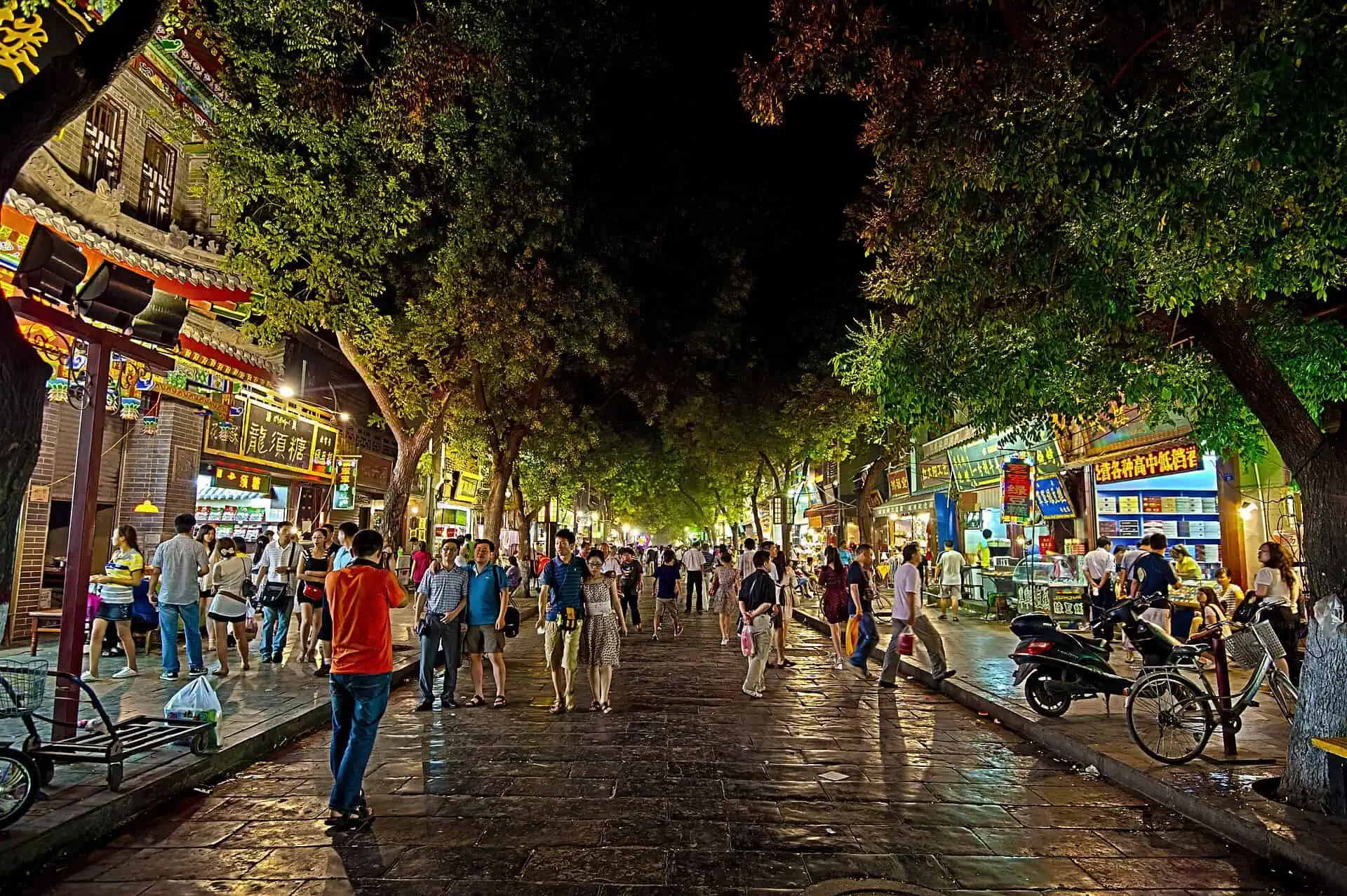
Muslim Quarter
Feeding Xi'an since the 700s — the loudest, smokiest, best-smelling streets of its Hui community.
Learn more →
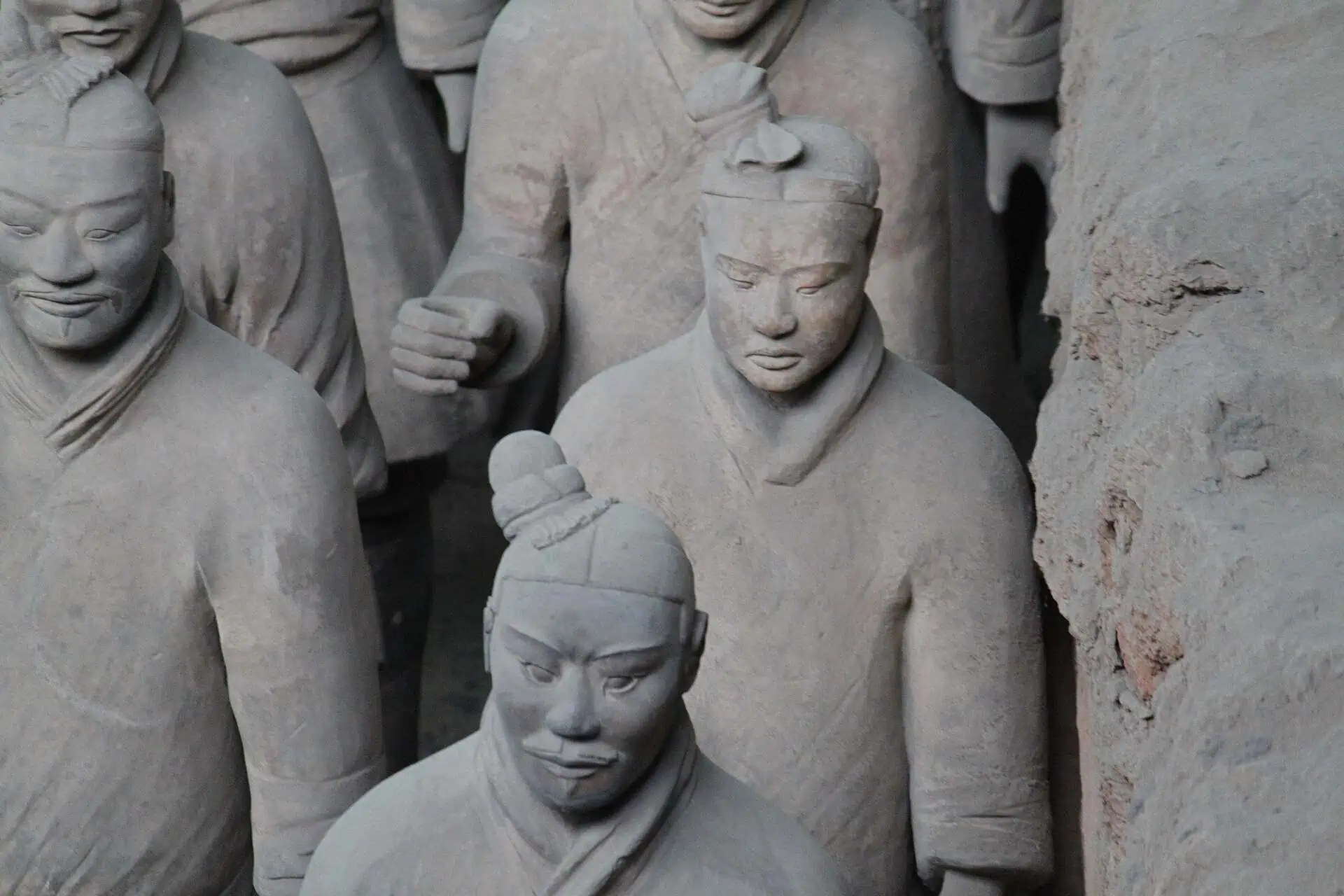
Terracotta Army
8,000 life-sized soldiers buried for China's First Emperor — and still on guard 2,200 years later.
Learn more →
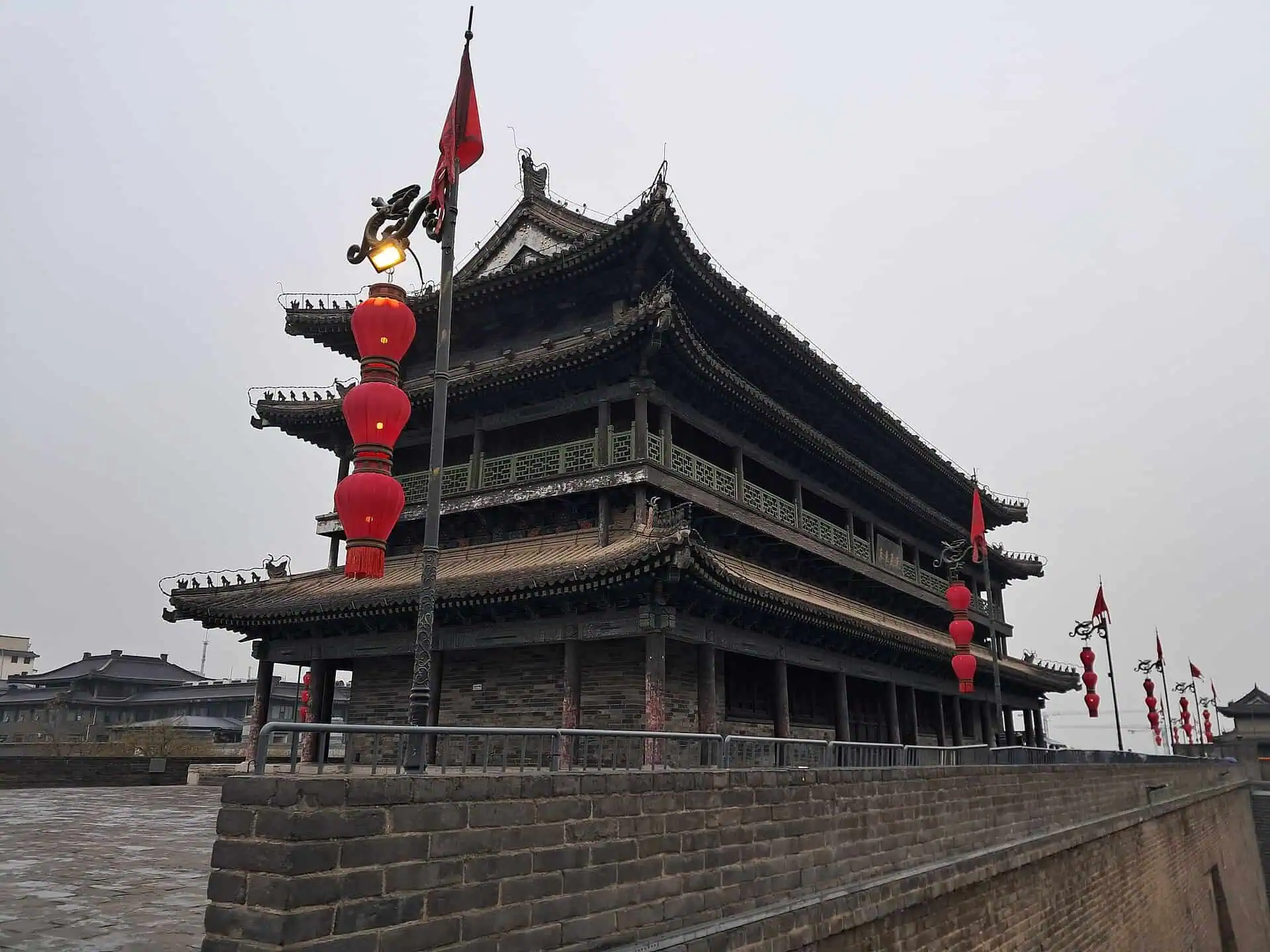
Xi'an City Wall
A 14-kilometer Ming dynasty rectangle you can cycle on top of — 650 years old and still the city's favorite commute.
Learn more →
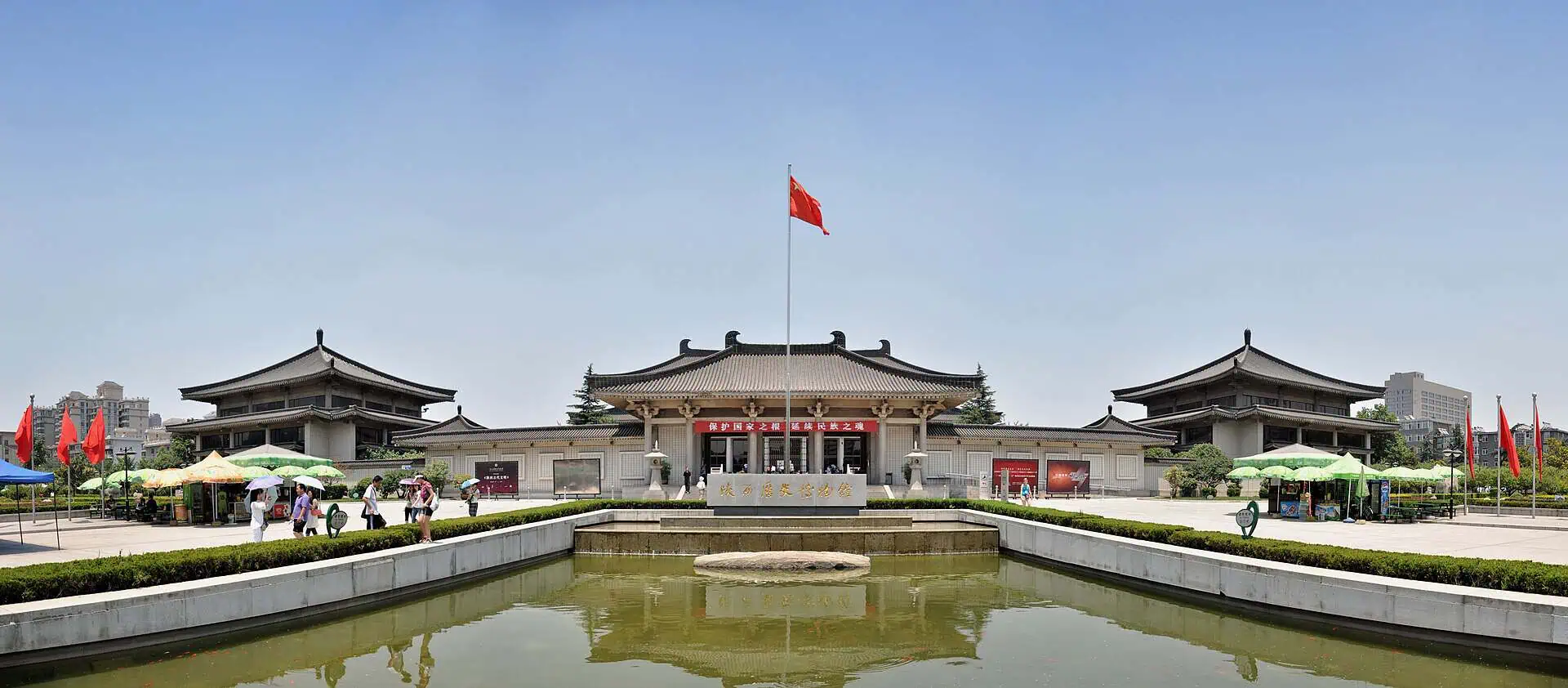
Shaanxi History Museum
Every layer of Xi'an's time stack under one roof — Zhou bronzes, Han gold and Tang treasure.
Learn more →
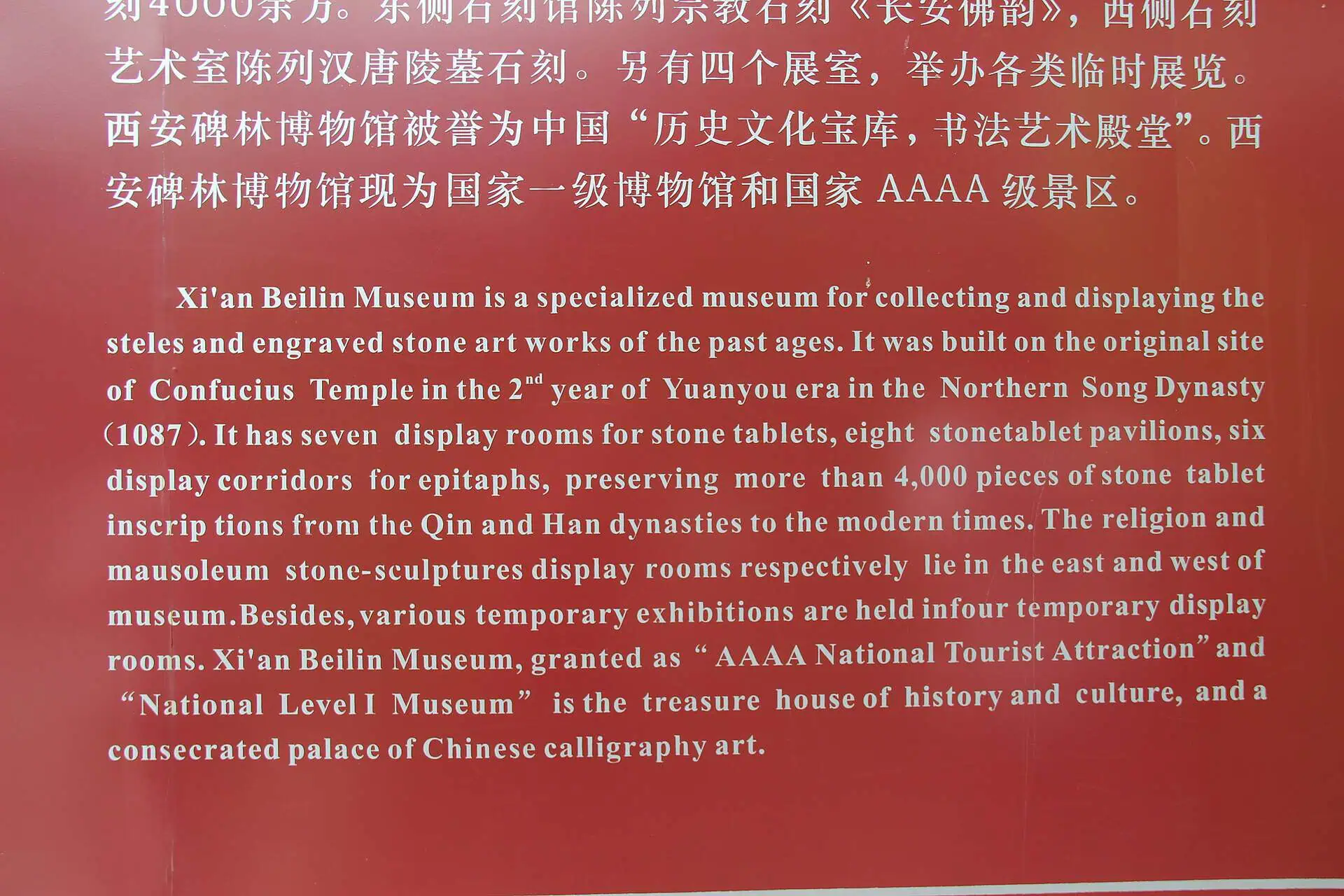
Forest of Steles (Beilin Museum)
Stone books since 1087 — nearly 3,000 steles, and the home of Chinese calligraphy itself.
Learn more →
Keep exploring
Visas & entry: do you need one?
Probably less paperwork than you fear — and two of the doors now have their own deep-dive packages: the 30-day visa-free entry (~50 countries) and the 240-hour transit (55 countries, including the US). This page is the router: work out which door is yours, then read its package.
The 240-hour visa-free transit, explained
Ten days in China without a visa, if you're just passing through — including Americans. The rules, the traps, and how to run it through Xi'an.
The 30-day visa-free entry: who gets in free
Around 50 countries can now enter China for up to 30 days with no visa at all — no transit logic, no onward-ticket games. Most of Europe, the UK, Canada, Australia and more. The US is not on the list.