Public holidays & crowds: when not to come
Chinese public holidays concentrate 1.4 billion people's travel into the same few weeks, and Xi'an is one of the country's most popular destinations. Two periods are genuinely best avoided — the October Golden Week and the Spring Festival season — while the smaller three-to-five-day holidays just demand earlier bookings and earlier mornings.
8 min read · 6 sections
Entry rules change often — always confirm details with the official source before you fly.
Official source: State Council of the PRC (annual holiday notice)The short version
- Avoid if you can: National Day Golden Week (Oct 1–7, 2026) and the Spring Festival travel season (roughly two weeks either side of Chinese New Year — Feb 17, 2026; Feb 6, 2027).
- Smaller spikes: Labour Day (May 1–5), Qingming (Apr 4–6), Dragon Boat (Jun 19–21) and Mid-Autumn (Sep 25–27) — busy but manageable with planning.
- What happens: the Terracotta Army sells out its daily allocation, hotel prices double or triple, and holiday trains sell out within minutes of release (~15 days ahead).
- Dates fixed? Book trains and hotels the moment they open, arrive at sights at opening time, and swap headline sights for quieter alternatives (Hanyangling over the Terracotta Army).
- Insider tip: the 'adjusted working days' either side of holidays are normal workdays for locals — sights are noticeably quieter.
- The lunar holidays move every year; the 2026 table below is official, 2027 dates are lunar-calendar estimates until the State Council confirms them around November 2026.
The short answer
If your dates are flexible, keep them flexible around two windows: the week around October 1 (National Day) and the weeks around Chinese New Year (mid-February in 2026, early February in 2027). Those are when domestic tourism goes from heavy to extreme, and Xi'an — a top-five domestic destination — absorbs millions of extra visitors in days.
Everything else on the calendar is a smaller, manageable spike. The three-day festivals (Qingming, Dragon Boat, Mid-Autumn) and the five-day Labour Day break bring crowds and higher prices, but with bookings made early and mornings used well, your trip survives intact. The full 2026 table is below, followed by the playbook for surviving a fixed-date holiday trip.
The two monsters
National Day Golden Week (黄金周, Huángjīn Zhōu). October 1 is National Day (国庆节, Guóqìng Jié), and the state bolts it to a seven-day holiday — in 2026, October 1–7. This is the single worst week of the year to be a tourist in Xi'an. The Terracotta Army hits its daily capacity and sells out; the City Wall becomes a slow-moving queue; evening areas like the Muslim Quarter reach shuffle-along density by nightfall. Hotels run at two to three times their normal rates, and high-speed trains for the holiday's first and last days sell out within minutes of release. The weather, admittedly, is glorious — which is exactly why everyone else came too.
Spring Festival (春节, Chūn Jié) and chunyun. Chinese New Year follows the lunar calendar: February 17, 2026 (holiday February 15–23 — at nine days, the longest on record) and February 6, 2027. Wrapped around it is chunyun (春运, chūnyùn), the roughly 40-day migration when hundreds of millions of people travel home and back — the largest annual human movement on earth. The experience splits in two: transport is at absolute capacity for weeks (trains sold out, stations overflowing), while the holiday days themselves see many small restaurants and shops closed as staff return to their home provinces. Major sights stay open and are busy; the atmosphere — lanterns, temple fairs, decorations — is genuinely festive. It's a trade: you get China at its most celebratory and its least convenient simultaneously.
The smaller spikes
China's remaining public holidays are three-to-five-day affairs. Expect fuller attractions, higher hotel rates and competitive train tickets — but not Golden Week chaos:
- Labour Day (劳动节, Láodòng Jié), May 1–5, 2026. Five days off and the biggest of the smaller spikes — spring weather makes it a favorite for domestic travel. Treat it like a minor Golden Week: book ahead, sightsee at opening time.
- Qingming Festival (清明节, Qīngmíng Jié), April 4–6, 2026. The tomb-sweeping festival. Many Chinese travel to ancestral hometowns rather than tourist cities, so Xi'an sees a moderate bump rather than a crush. Pleasant spring dates if you book trains promptly.
- Dragon Boat Festival (端午节, Duānwǔ Jié), June 19–21, 2026. Three days; busy but manageable. Early summer heat is starting — sightsee in the mornings regardless.
- Mid-Autumn Festival (中秋节, Zhōngqiū Jié), September 25–27, 2026. Three days of family gatherings and mooncakes. A family-holiday feel, moderate crowds, and it lands just before Golden Week — note that in 2026 it is separate from the October holiday, unlike years when the two merge into an eight-day super-holiday.
Also watch the first days of January (New Year, Jan 1–3, 2026) — a small bump, mostly absorbed by locals staying put.
What the crowds actually look like
Concretely, a peak-holiday day in Xi'an means:
- Attractions at capacity. The big sights use real-name, timed-entry booking with daily caps. On normal days you book a few days ahead; in Golden Week the Terracotta Army's allocation disappears as soon as it opens. See booking attractions and book the instant your dates open.
- Trains gone in minutes. Tickets release about 15 days ahead at set times; holiday-window departures on popular routes (Beijing–Xi'an, Xi'an–Chengdu, Xi'an–Shanghai) can sell out in minutes. Trip.com and 12306 both offer waitlist/standby functions — use them the second tickets open.
- Hotels at 2–3× normal rates, with the well-located ones selling out weeks ahead. If you're coming in a holiday window, lock where you stay early — cancellation-friendly rates exist precisely for this.
- Streets at shuffle density in the evening hotspots. Daytime sightseeing is tiring but workable; the post-dinner surge in the Muslim Quarter and around the Big Wild Goose Pagoda fountains is where patience runs out.
None of this is dangerous — Chinese crowd management at major sights is practiced and firm — it's simply slow. Everything takes two or three times as long as the guidebook (this one included) says.
If your dates are fixed: the survival playbook
School holidays and annual leave don't always negotiate. If you're locked into a holiday window, this is how you still have a good trip:
- Book everything the moment it opens. Trains ~15 days out (know the exact release time), attraction timed tickets as soon as the booking window allows, hotels weeks to months ahead. This is the one trip where spontaneity is expensive.
- Be at the gates at opening. The crowd curve is steep: 8:30 at the Terracotta Army is busy; 11:00 is a mosh pit. Early entry buys you the best hour of the day, every day.
- Swap the headline for the understudy. Hanyangling — the Han-dynasty tomb with its own underground army of smaller figures — absorbs a fraction of the Terracotta Army's traffic and is the classic Golden Week alternative. The Small Wild Goose Pagoda and the Forest of Steles stay calmer than the big-ticket sights. Save the headliners for the first morning, then pivot.
- Exploit the "adjusted working days." China moves weekends to glue holidays together — in 2026, for example, September 20 and October 10 are official workdays. Locals are at their desks; sights run at near-normal crowd levels. These make-up workdays are the seasoned traveler's favorite loophole.
- Eat early and off-peak. Restaurants in tourist zones queue hard from 18:00; dinner at 17:00 or after 20:30 is a different experience. Use DiDi or the metro to eat a neighborhood away from the sights.
- Build slack into the itinerary. Assume every transfer and queue takes double time, and treat one sight per morning as the ceiling, not the floor.
The 2026 calendar (official)
The State Council published the 2026 schedule on November 4, 2025. Dates below are the official days off; "Adjusted workdays" are weekend days when the country works to pay for the longer break — and, per the playbook above, quieter days at the sights.
| Holiday | Festival day | 2026 days off | Adjusted workdays | Crowd level |
|---|---|---|---|---|
| New Year's Day | Jan 1 | Jan 1–3 | Jan 4 (Sun) | Low bump |
| Spring Festival | Feb 17 | Feb 15–23 (9 days) | Feb 14, Feb 28 (Sats) | Extreme (transport), high (sights) |
| Qingming Festival | Apr 5 | Apr 4–6 | — | Moderate |
| Labour Day | May 1 | May 1–5 | May 9 (Sat) | High |
| Dragon Boat Festival | Jun 19 | Jun 19–21 | — | Moderate |
| Mid-Autumn Festival | Sep 25 | Sep 25–27 | — | Moderate |
| National Day (Golden Week) | Oct 1 | Oct 1–7 | Sep 20 (Sun), Oct 10 (Sat) | Extreme |
Looking at 2027: Chinese New Year falls on Saturday, February 6, 2027 (Year of the Goat). The State Council confirms the exact holiday windows around November 2026, but the pattern is reliable — expect a week-plus of holiday centered on that date, with chunyun transport pressure from late January through February. Qingming always lands April 4–6; Dragon Boat and Mid-Autumn move with the lunar calendar. For the season-by-season weather side of the decision, see best time to visit.
Questions, answered
Is Golden Week a bad time to visit Xi'an?
Yes, if you have a choice. During the October 1–7 National Day holiday the Terracotta Army sells out its daily ticket allocation, hotels run at two to three times normal rates, and trains sell out within minutes of release. If your dates are fixed, book everything the moment reservations open, sightsee at opening time, and use quieter alternatives like Hanyangling for your tomb-army fix.
Does everything close during Chinese New Year?
Major attractions, malls and chain restaurants stay open — and are busy. What closes are many small family-run restaurants and shops, as staff return to their home provinces for the holiday. The real constraint is transport: the chunyun travel rush packs trains and stations for roughly 40 days centered on the festival (Feb 17, 2026; Feb 6, 2027).
When is the quietest time to visit Xi'an?
Mid-week days outside any holiday window, roughly November through March (excluding the Spring Festival season), are the calmest — cold, but the Terracotta Army at 8:30 in December is a private audience compared with October. The 'adjusted working days' around holidays (e.g. Sep 20 and Oct 10, 2026) are another loophole: locals are at work and sights run at near-normal crowds.
How far ahead should I book for a holiday trip to Xi'an?
Hotels: weeks to months ahead for holiday windows, at refundable rates. Trains: the moment tickets release, about 15 days before departure — know the exact release time for your route. Attractions with timed-entry booking (Terracotta Army, Shaanxi History Museum): as soon as their booking window opens. During Golden Week, all three can be gone within hours of opening.
Are attractions open on Chinese public holidays?
Yes — Chinese public holidays are peak operating days, not closures. Sights like the Terracotta Army and City Wall run full hours and often hit capacity. The closures that catch visitors out are the opposite case: some museums close on Mondays in normal weeks (check each sight's page), and small independent eateries may shut over Chinese New Year.
Places in this story
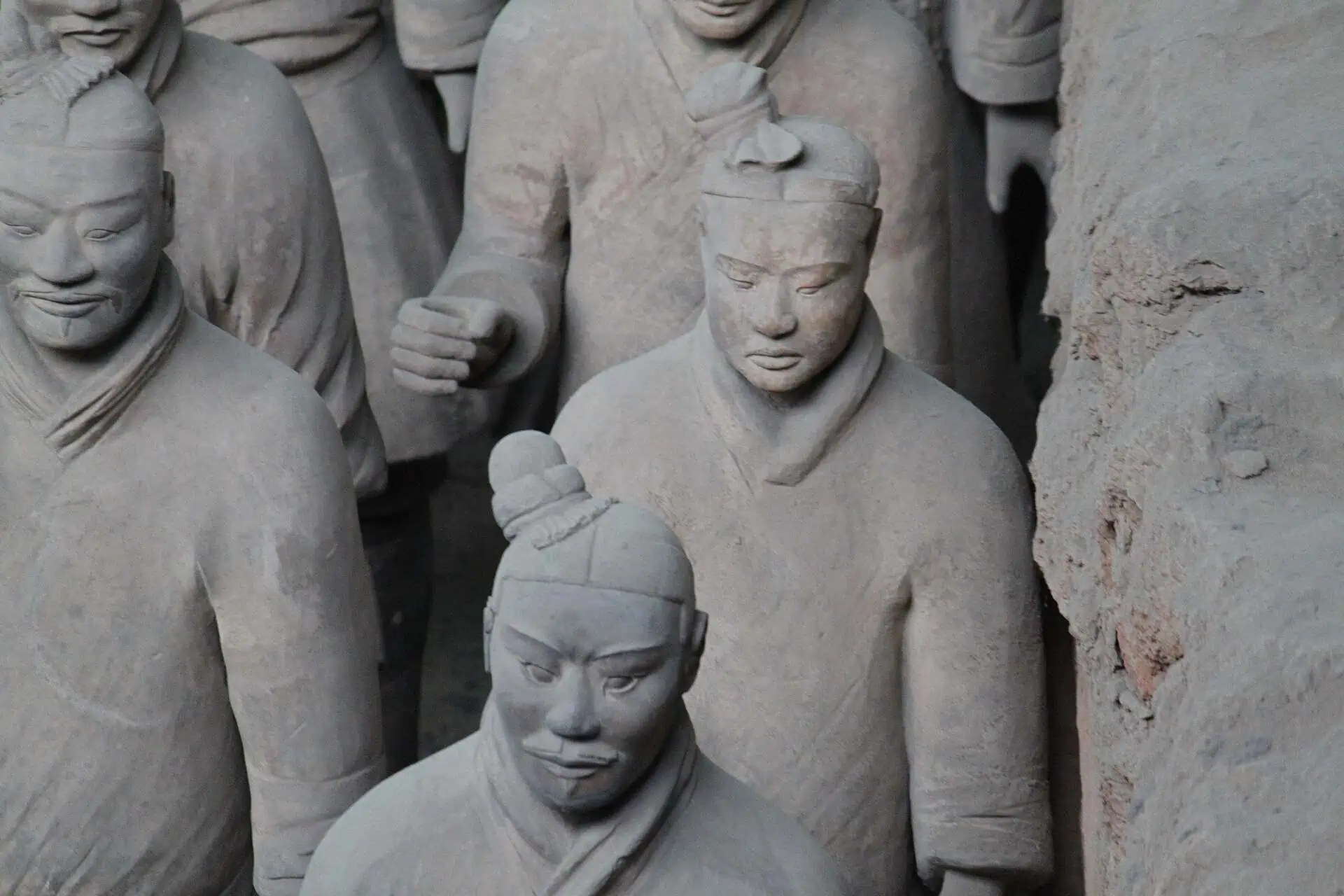
Terracotta Army
8,000 life-sized soldiers buried for China's First Emperor — and still on guard 2,200 years later.
Learn more →
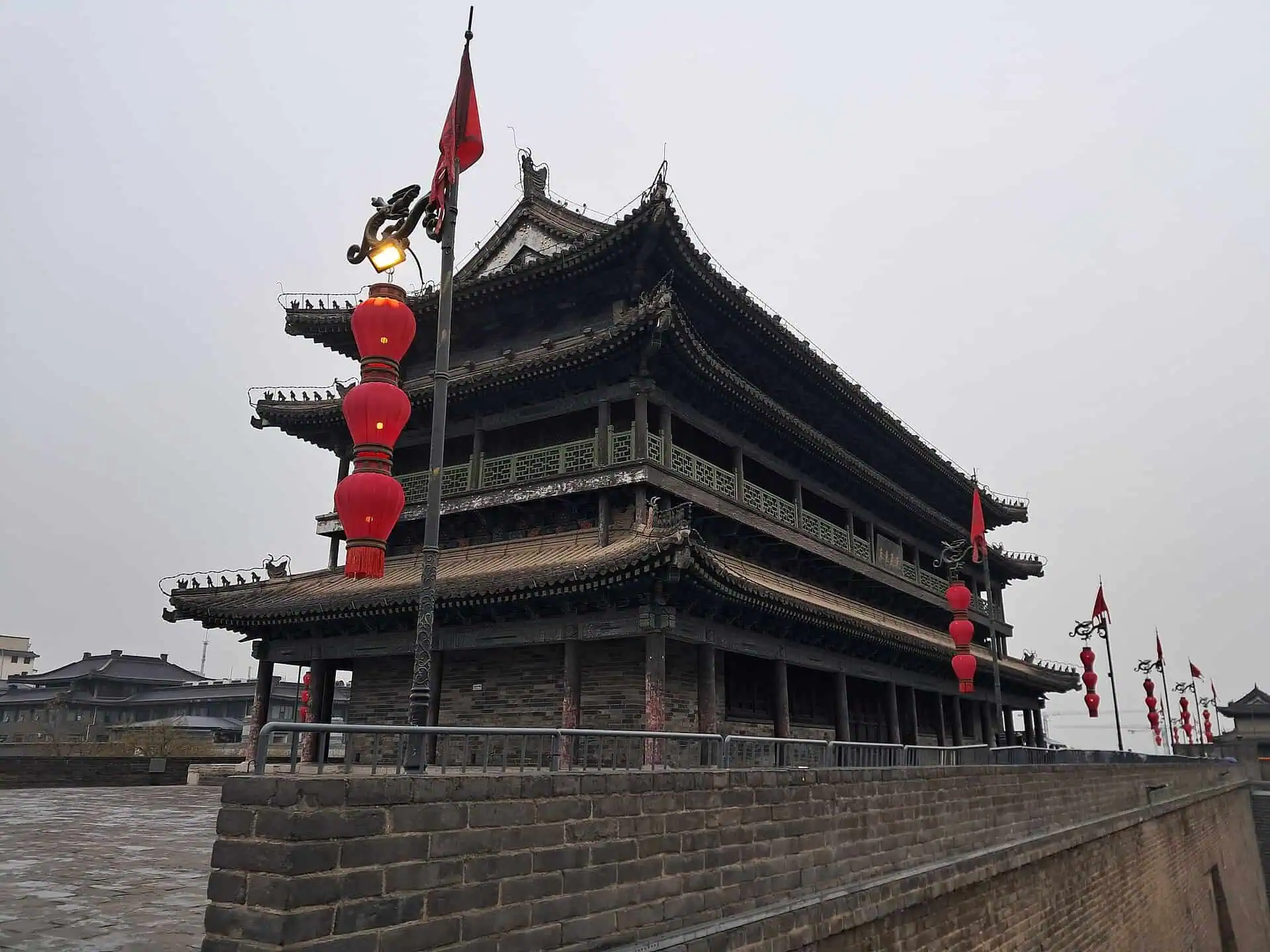
Xi'an City Wall
A 14-kilometer Ming dynasty rectangle you can cycle on top of — 650 years old and still the city's favorite commute.
Learn more →
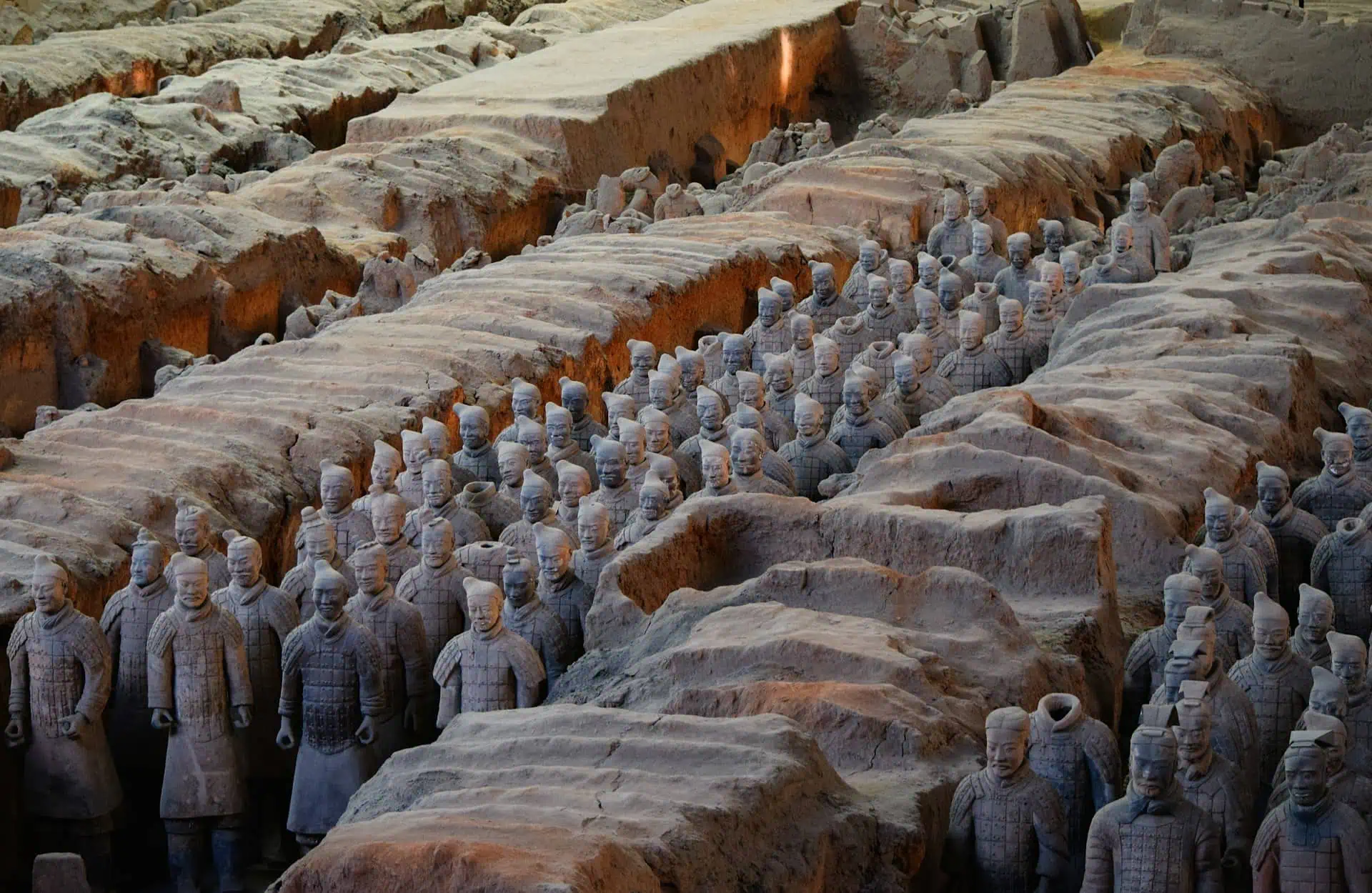
Hanyangling Mausoleum
A Han emperor's underground court, begun in 153 BC — half-sized figures under a glass floor, without the crowds.
Learn more →
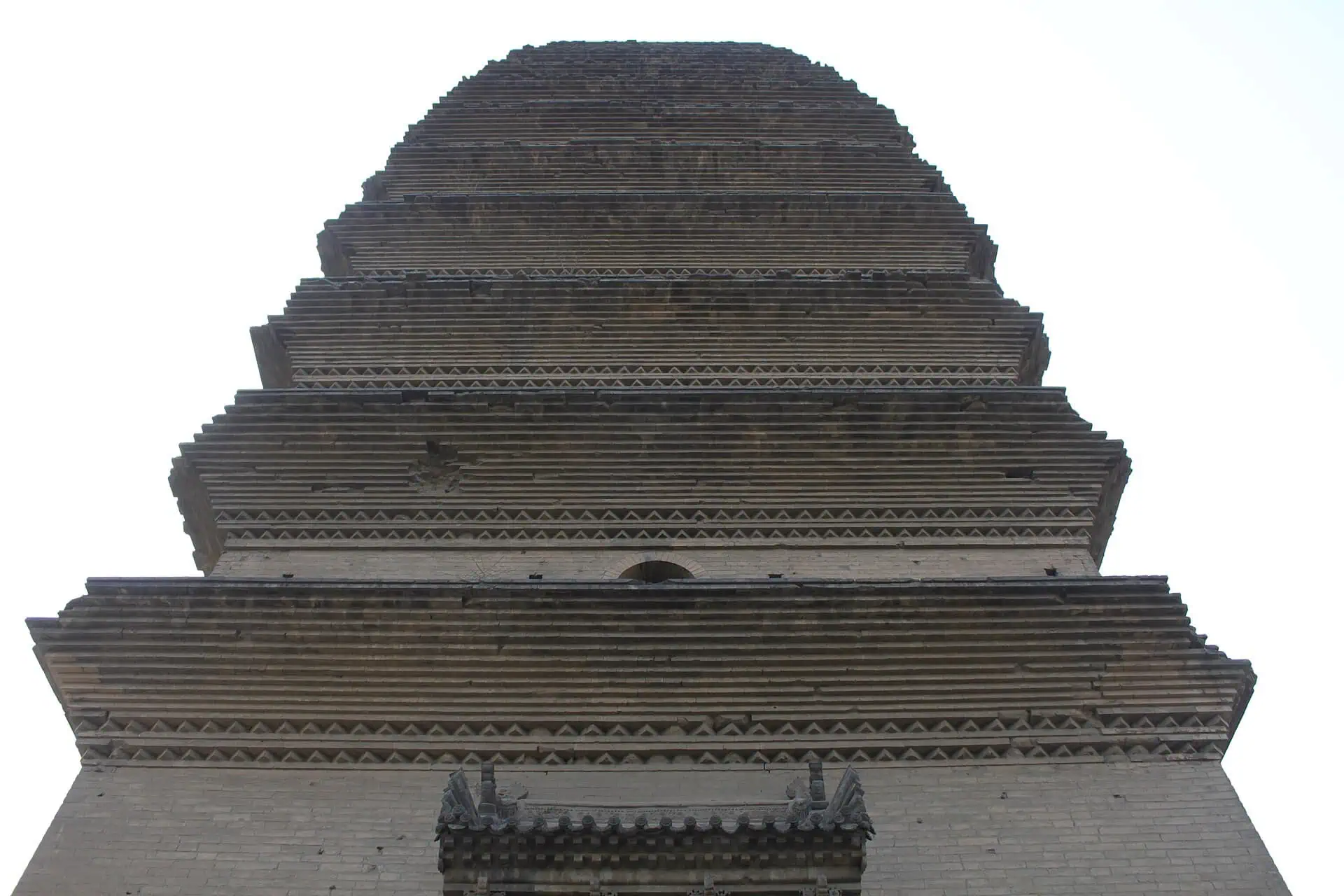
Small Wild Goose Pagoda & Xi'an Museum
A Tang pagoda from 707 AD that outlasted China's deadliest earthquake — free, calm, and half the crowds.
Learn more →
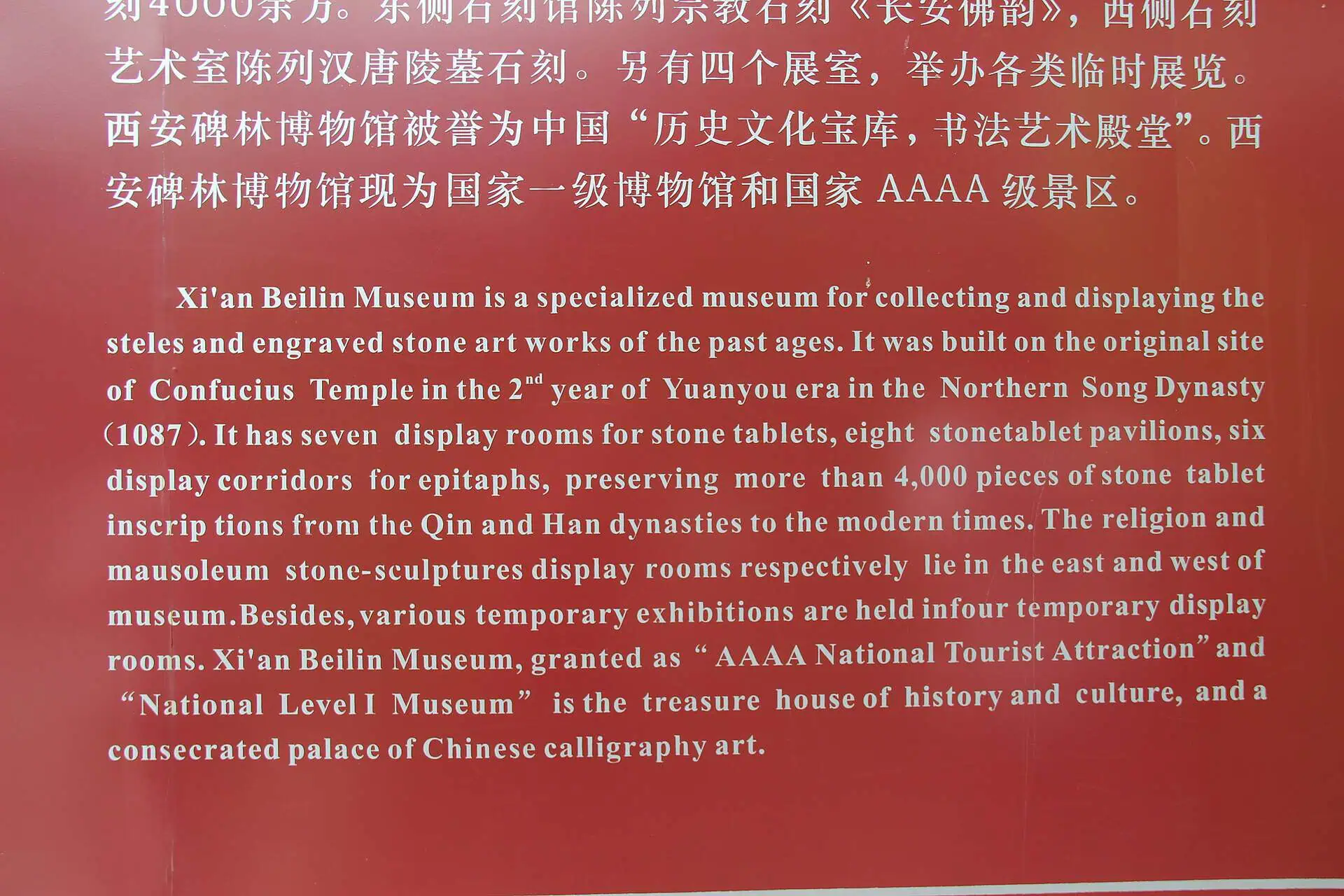
Forest of Steles (Beilin Museum)
Stone books since 1087 — nearly 3,000 steles, and the home of Chinese calligraphy itself.
Learn more →
Keep exploring
Visas & entry: do you need one?
Probably less paperwork than you fear — and two of the doors now have their own deep-dive packages: the 30-day visa-free entry (~50 countries) and the 240-hour transit (55 countries, including the US). This page is the router: work out which door is yours, then read its package.
The 240-hour visa-free transit, explained
Ten days in China without a visa, if you're just passing through — including Americans. The rules, the traps, and how to run it through Xi'an.
The 30-day visa-free entry: who gets in free
Around 50 countries can now enter China for up to 30 days with no visa at all — no transit logic, no onward-ticket games. Most of Europe, the UK, Canada, Australia and more. The US is not on the list.