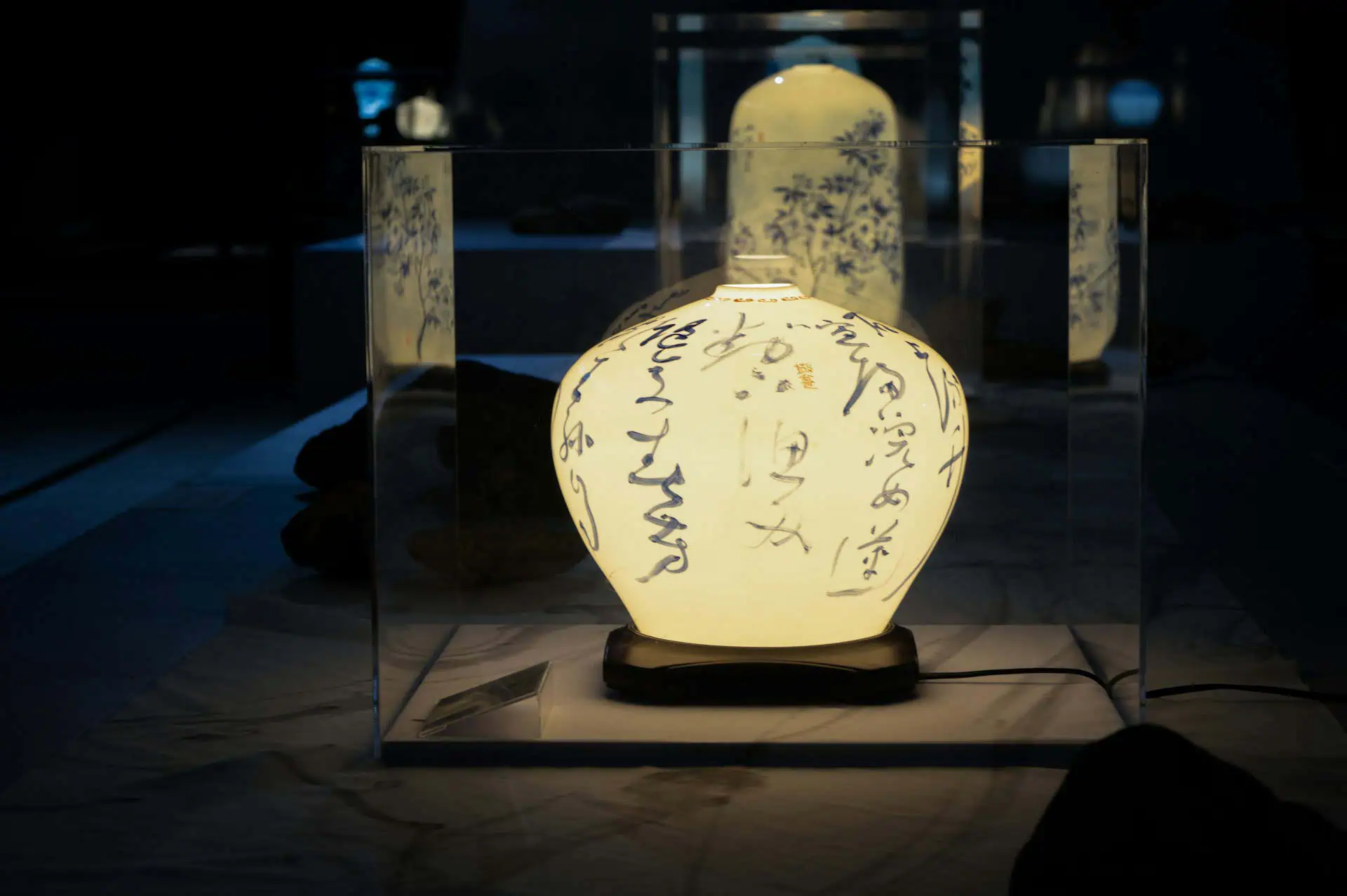
South Gate & Beilin: the scholars' quarter
Step out of the wall through Yongningmen (永宁门, Yǒngníngmén) — the South Gate, grandest of the Ming entrances — and you land in the quarter that has handled the city's culture business for a thousand years. This is Beilin (碑林, Bēilín), named for the "forest of steles": the Forest of Steles Museum (碑林博物馆, Bēilín Bówùguǎn), where the canon of Chinese calligraphy sits carved in stone, from Confucian classics to the Nestorian tablet that recorded Christianity's first arrival in China in 781 AD.
The approach alone is worth the trip. Shuyuanmen (书院门, Shūyuànmén), the old scholars' street, runs from the South Gate to the museum under Ming eaves, lined with brush sellers, seal carvers and paper shops — the one street in Xi'an where the souvenir is a craft, not a fridge magnet. Around it spreads a lattice of old lanes the guidebooks mostly skip: Defu Lane's (德福巷, Défú Xiàng) cafés and bars in grey-brick courtyards, the teahouses of Xiangzi Temple Street (湘子庙街, Xiāngzǐmiào Jiē), and Shuncheng Lane (顺城巷, Shùnchéng Xiàng) tracing the base of the wall itself — the city's favorite after-work stroll, strung with small bars and barbecue.
The district's second act is two free, underrated sites on its western edge. The Small Wild Goose Pagoda (小雁塔, Xiǎoyàntǎ) stands in the quieter of Xi'an's two great Tang temple grounds, with the Xi'an Museum at its foot — the Shaanxi History Museum without the queues or the ticket scramble. A ten-minute walk north, a 300-year-old Catholic church hides in the lanes of Wuxing Street (五星街, Wǔxīng Jiē), all Chinese roof-lines on a Roman basilica plan — one of the strangest and most photogenic buildings in the city. Just beyond the wall's southeast corner, Xingqing Palace Park (兴庆宫, Xīngqìng Gōng) turns the Tang emperor Xuanzong's private palace into the neighborhood's morning-exercise ground.
Transit couldn't be simpler: Line 2 runs down the district's spine, with Yongningmen station at the gate and Nanshaomen (南稍门) one stop south for the Small Pagoda — and Line 2 also takes you straight to Xi'an North for high-speed trains. Line 6 skirts the southeast corner for Xingqing. Everything described above sits inside a 25-minute walk, which is why our where to stay guide calls this the connoisseur's base.
Where to stay in this area
If the old city inside the wall is the convenient answer, South Gate & Beilin is the charming one — same walk-everywhere practicality, half the neon. You wake to the wall out your window instead of a shopping street, and the lanes around Shuyuanmen and Defu Lane deliver the café-and-wine-bar texture that inside-the-wall proper mostly lacks.
The stock splits three ways. Along the wall and the South Gate plaza sit some of the city's best five-stars and design hotels — wall views, walkable to everything, priced accordingly. The grid south of the gate around Nanshaomen is solid mid-range territory: reliable chains, metro on the corner, better value than inside the wall. And tucked into the lanes near Shuyuanmen and Xiangzi Temple Street are the city's most characterful guesthouses and hostels — courtyards, roof terraces under the ramparts, the backpacker classics.
One practical note: every hotel in China registers foreign guests against a passport at check-in, so have yours ready. If you plan early high-speed departures, remember Line 2 runs from Nanshaomen directly to Xi'an North station — you can stay in the prettiest corner of the old city and still make a 7 a.m. train. Our hotels guide covers booking platforms and registration in detail.
What's here
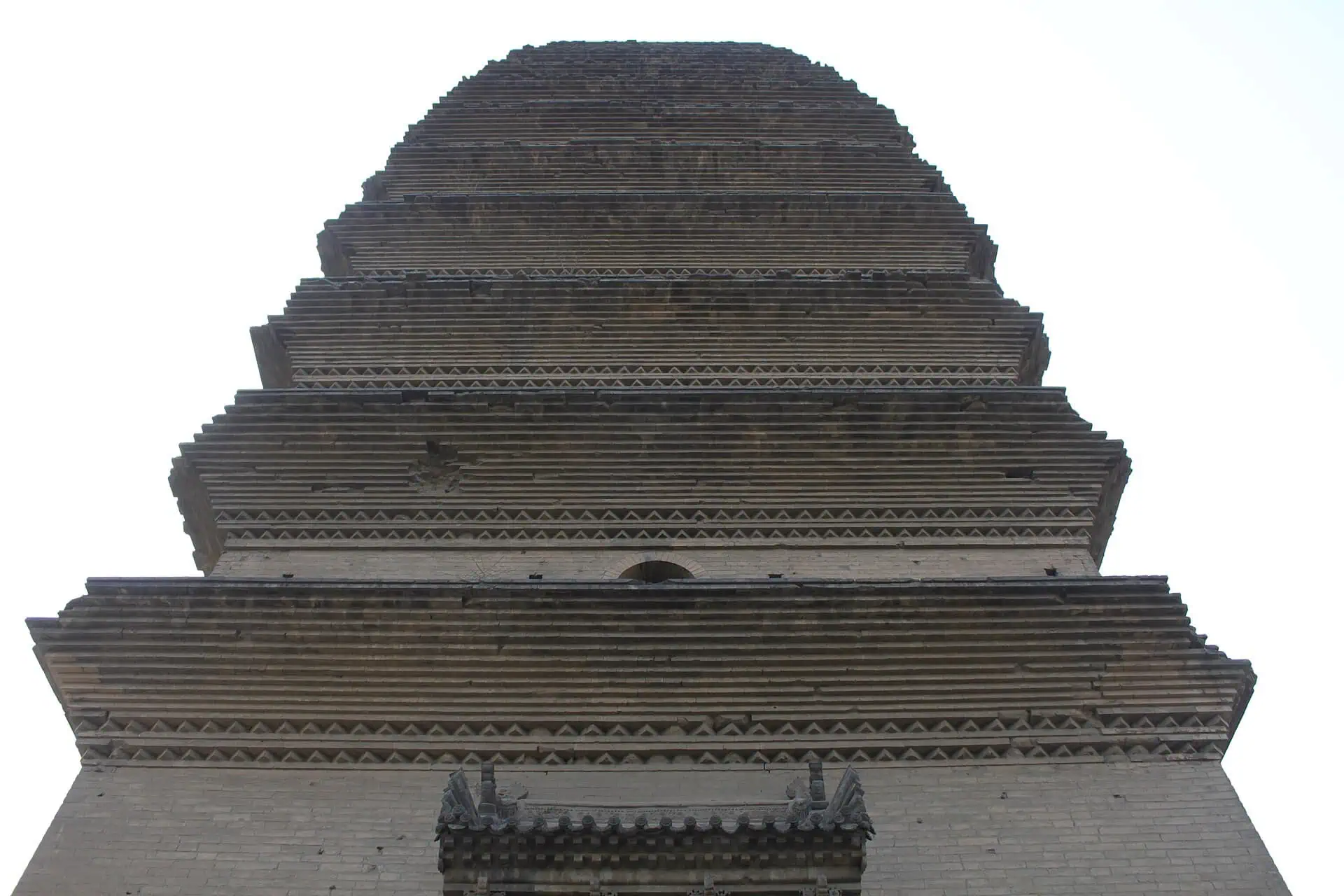
Small Wild Goose Pagoda & Xi'an Museum
A Tang pagoda from 707 AD that outlasted China's deadliest earthquake — free, calm, and half the crowds.
Learn more →
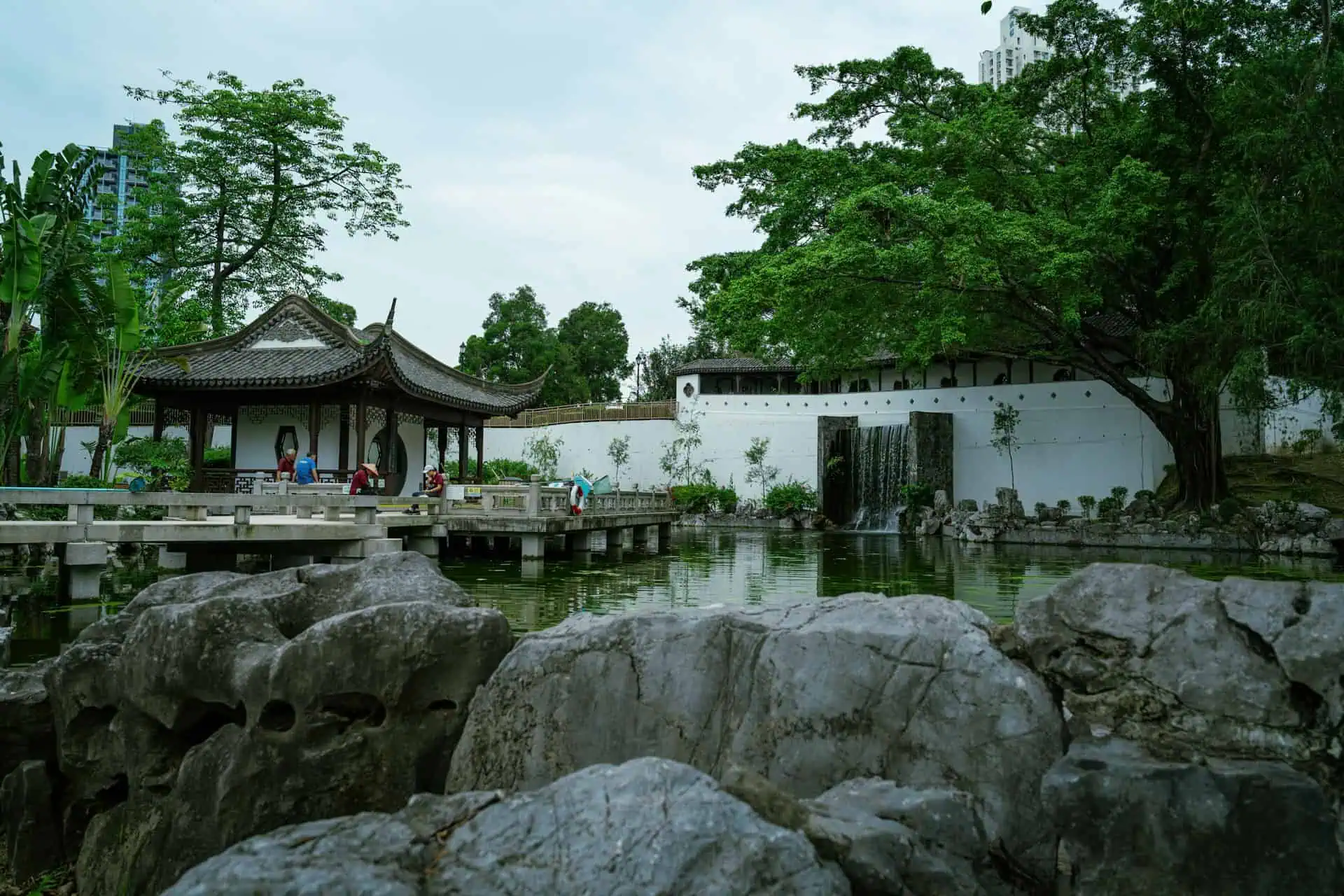
Xingqing Palace Park
Emperor Xuanzong's Tang pleasure palace, 1,300 years on — now Xi'an's favorite living room.
Learn more →
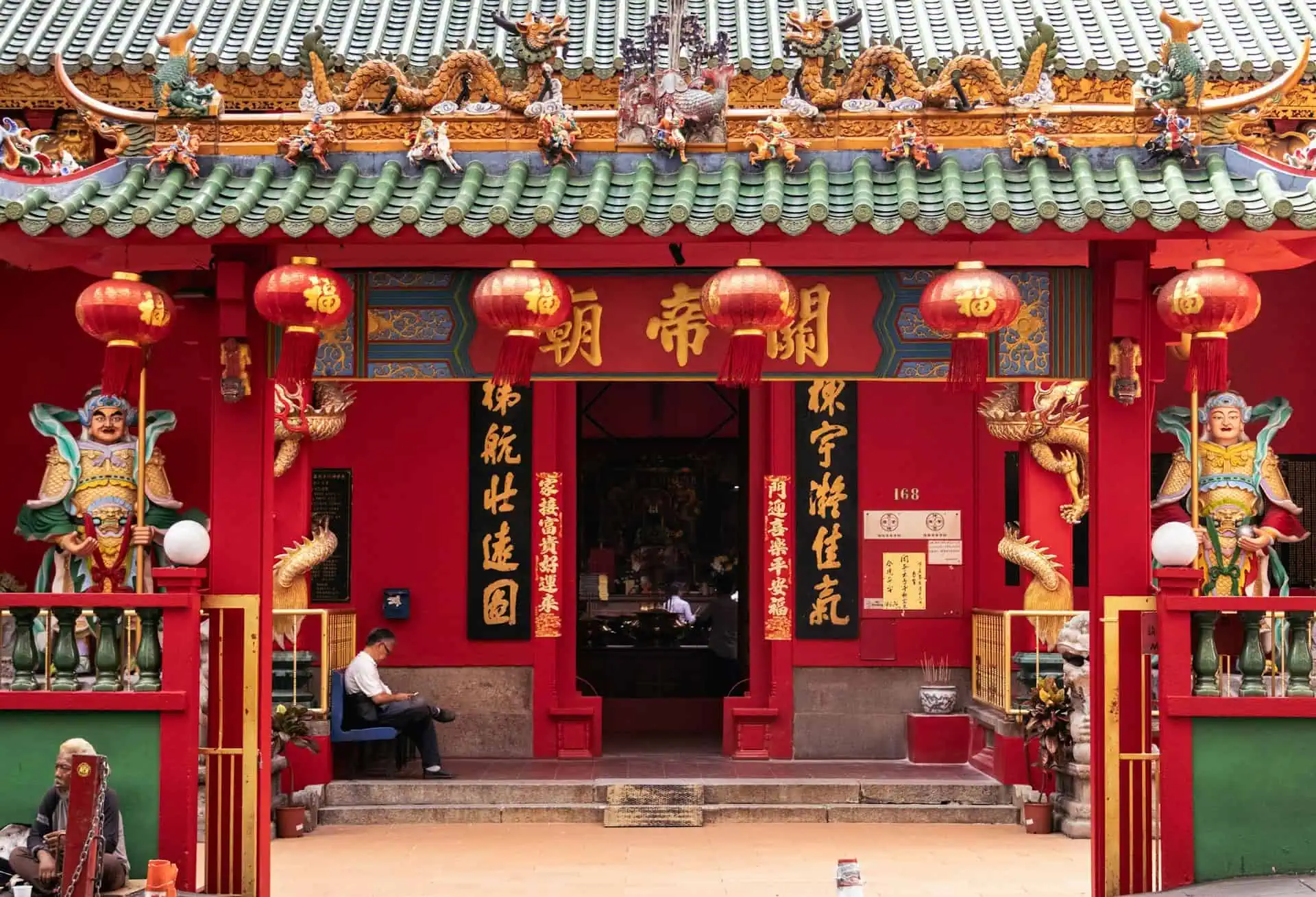
Baxian An (Temple of the Eight Immortals)
Xi'an's working Taoist temple — centuries of incense, fortune-tellers, and almost no tourists.
Learn more →
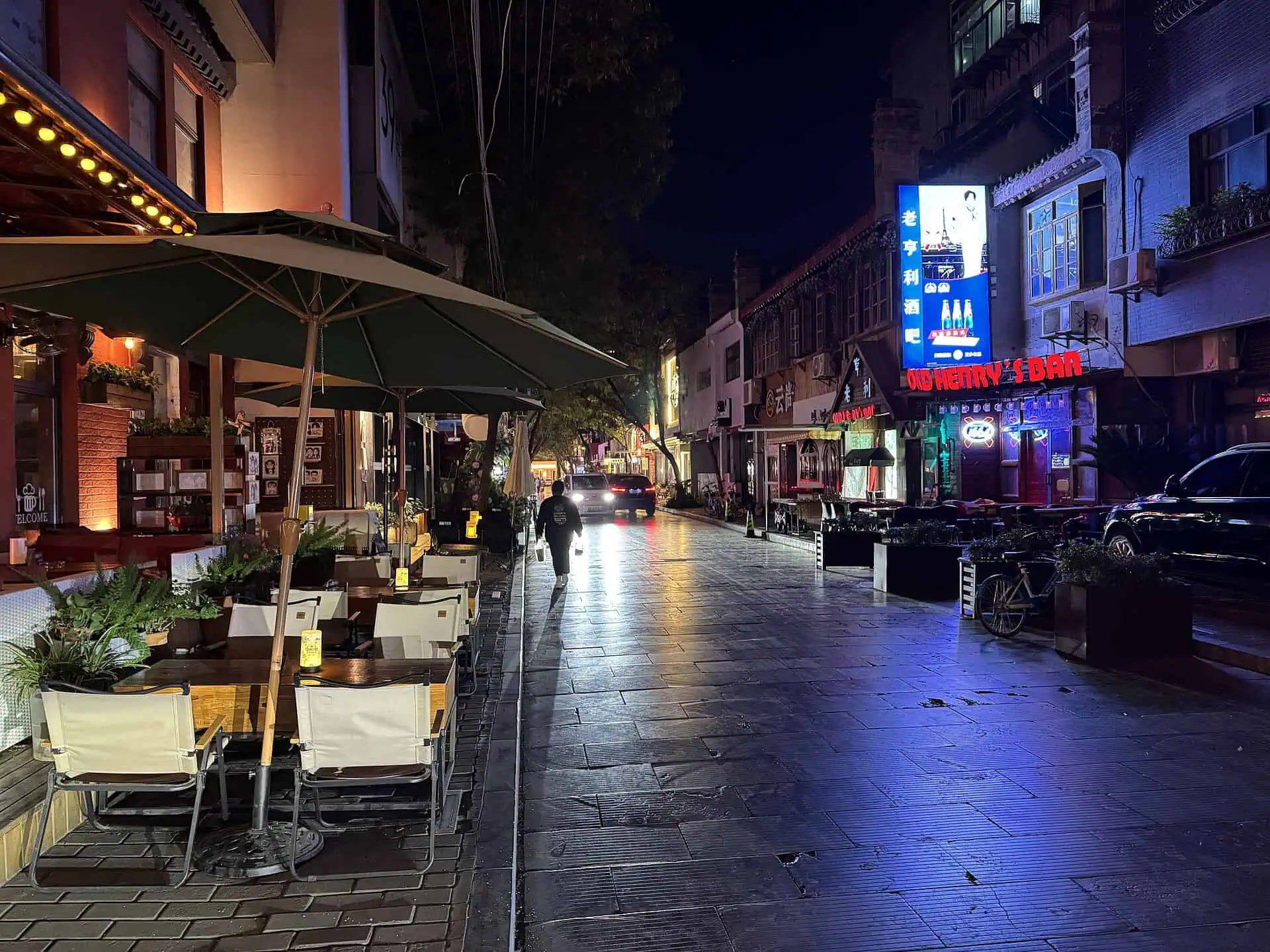
Defu Lane
Xi'an's original coffee-and-cocktail street, one grey-brick block inside the South Gate.
Learn more →
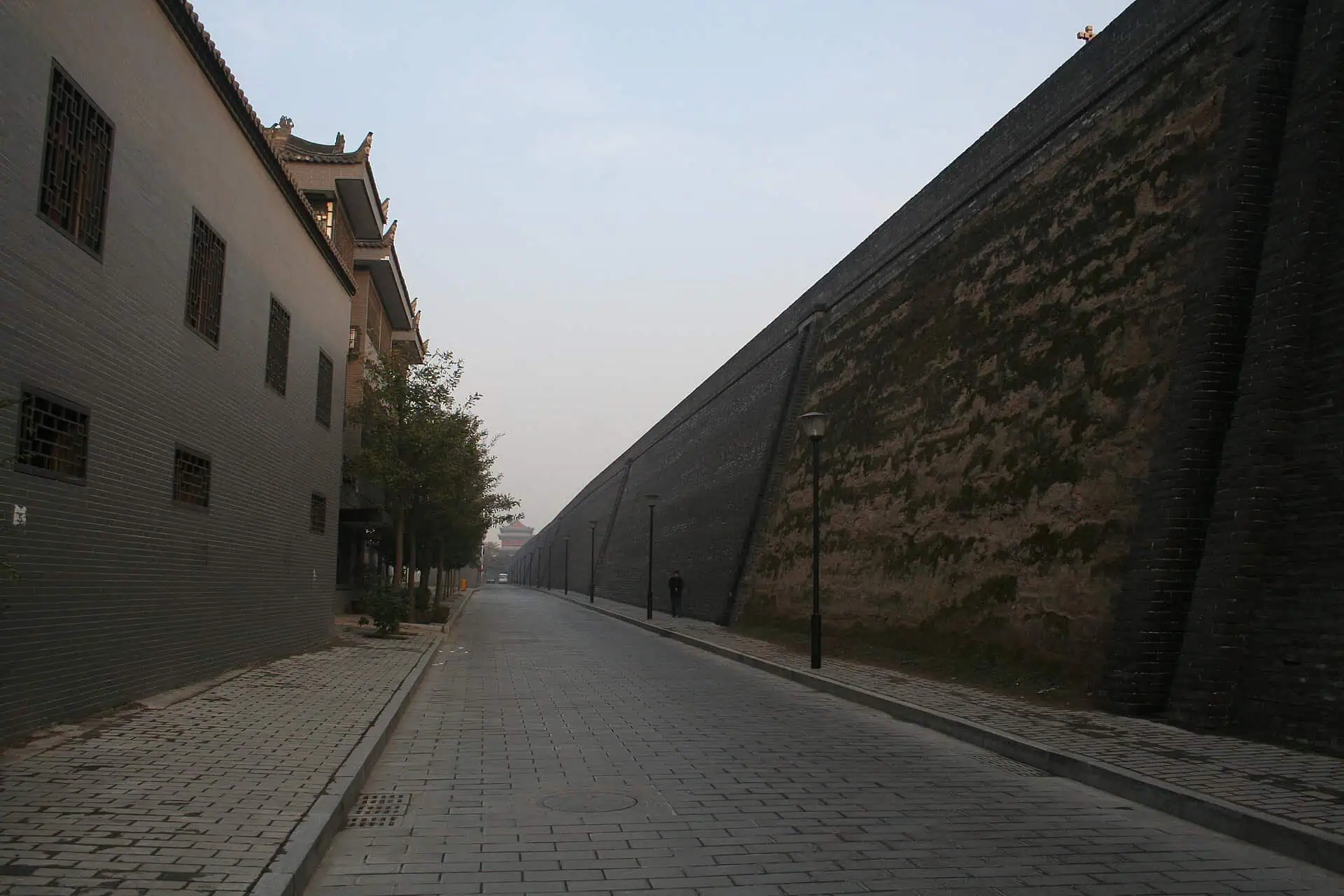
Shuncheng Lane
Thirteen kilometers of slow life at the foot of the wall — and the South Gate stretch is its best kilometer.
Learn more →