Etiquette in Xi'an: what actually matters
Most China etiquette advice is written for business dinners, not tourists. The real list is short: one chopstick taboo, a young-and-imperfect queue culture, some camera manners, and a simple money rule — bargain at stalls, tip nowhere. Here's how to move through Xi'an without stepping on anyone.
8 min read · 7 sections
The short version
- The rulebook is shorter than guidebooks claim — watch what locals do, copy it, and smile a lot.
- Queue culture is younger than you are; metro scrums aren't personal.
- Never stick chopsticks upright in rice — the one genuine table taboo. Shared dishes are the default.
- Ask before photographing people, especially in the Muslim Quarter and at prayer.
- Bargain at souvenir stalls only — never restaurants, ticket offices or shops. Tipping: simply don't.
- Stares and shouted 'hello!' are curiosity about foreigners, not hostility. Roll with it.
The short version
China runs on 客气 (kèqì, courtesy), but the tourist-facing rule list is wildly overblown. Nobody expects you to know banquet seating protocol, and nobody is keeping score of your mistakes. What locals do notice — in a good way — is effort: a 谢谢 (xièxie, thank you), an attempt at chopsticks, patience in a crowd.
The situations where behavior genuinely matters on a Xi'an trip are exactly five: queues and crowds, shared tables, cameras, religious sites, and money. Master those five and the rest is decoration. When in doubt, do the slowest, quietest version of what the people around you are doing.
Queues, scrums and personal space
Orderly queuing is a recent import to China — younger than most of the people you'll travel with — and it's still unevenly distributed. Metro station queues are genuinely orderly. Boarding the train itself can be a scrum, with people pushing in before passengers exit. Ticket barriers, museum entrances and popular food stalls sit somewhere in between.
How to handle it:
- Don't take the elbow personally. The person pressing into your back at the Terracotta Army entrance isn't being rude at you; that's simply what a crowd means here. A lifetime of queues for everything has produced a different instinct about personal space.
- Stand your ground, politely. A firm stationary posture — feet planted, not leaning away — holds your place better than glaring. If someone cuts in front at a ticket desk, a calm "不好意思" (bù hǎoyìsi, excuse me) with a gesture at the line usually works.
- Board last, exit fast. On the metro, let people off first (half the carriage will try not to), then board. It costs you four seconds and reads as civilized.
- Expect less reflexive small talk politeness. Holding doors, saying sorry for near-collisions, thanking drivers — these aren't reflexes here. Their absence isn't coldness.
Our getting around guide covers the metro itself; this is about not letting the scrum ruin your day.
Table manners that actually matter
Chinese dining is communal and relaxed — with a handful of hard edges:
- Never stick chopsticks upright in a bowl of rice. It mirrors incense burned for the dead. This is the one genuine taboo — lay them across the bowl or on the rest.
- Don't spear food, don't dig through shared dishes hunting for the best bits; take from the side nearest you.
- Shared dishes are the default. Increasingly, restaurants provide 公筷 (gōngkuài, serving chopsticks) — use them to move food to your own bowl if they're on the table.
- The tea-pour finger-tap: when someone pours your tea, tap the table twice with two bent fingers — a silent thank-you understood nationwide. Pour for others before yourself and you'll read as extremely well raised.
- Rice bowl to the lips is fine. So is slurping noodles — neutral at worst, appreciative at best. Dropping bones on the table beside your bowl is normal in casual places.
- Toasting: 干杯 (gānbēi, "dry cup"). If your host's glass touches yours, aim the rim of yours slightly lower — a small sign of respect that never goes unnoticed.
For what to actually order, see our Xi'an food hub and the Muslim Quarter eats guide.
Photographing people
The rule is simple: people are not scenery. A smile and a raised camera with an enquiring look is the universal permission request, and most people say yes — but you must ask.
Where it matters most in Xi'an:
- The Muslim Quarter. The Hui community has been photographed by tourists for decades, and patience varies. Vendors at food stalls usually don't mind their food being shot; photographing a person close-up without asking can get you waved off, or occasionally asked for money. Ask first, accept "no" gracefully.
- Worshippers. Never photograph people at prayer — in the Great Mosque, in temples, anywhere. That's not a gray area.
- Children. Ask the parent, not the child. Usually granted, often enthusiastically.
- Expect to be the subject yourself. You will be asked for selfies, and photographed without asking at famous sights. More on surviving that below.
Temples and mosques
Xi'an's religious sites are working places of worship that happen to admit visitors. The conduct that matters:
- Hats off inside halls, voices low, phone on silent. Flash photography off everywhere; some halls ban photography entirely — look for the sign or a watchful attendant.
- Step over the threshold, not on it. Temple doorways have high wooden sills; stepping on them is considered disrespectful. Stepping over is also easier than it looks.
- Don't touch altars, statues or offerings, and keep out of roped prayer areas. If incense is being burned, watch two people do it before joining in.
- At the Great Mosque: dress modestly (covered shoulders and knees), and note the prayer hall itself is for Muslims — visitors view the courtyards and architecture. Non-prayer times are relaxed; during calls to prayer, give worshippers right of way.
- At active temples like Baxian'an or Guangren Temple, you're a guest at someone's religious practice, not a museum visitor. Behave accordingly and you'll be welcome.
Money etiquette: bargaining and tipping
Where bargaining is OK: souvenir stalls — the market row outside the Terracotta Army exit, trinket vendors in the Muslim Quarter, calligraphy and seal stalls around Shuyuanmen. The ritual: ask the price, counter at roughly half, smile throughout, and be ready to walk away — the walk-away is where the real price appears. If the number on the calculator is more than you want to pay, that's a you-problem, not an insult-problem; only haggle for things you actually intend to buy.
Where bargaining is not OK: restaurants, ticket offices, museums, supermarkets, chain stores, taxis on the meter. Prices there are prices.
Tipping: simply don't. Not in restaurants, not in taxis, not for hotel porters, not on the bill. Tipping isn't part of the culture, and leaving cash can cause genuine confusion — staff have been known to chase foreigners down the street to return "forgotten" money. If someone has been exceptional, a heartfelt 谢谢 and a good review of their business do more than ¥20 ever will. Full money mechanics — QR payments, cash, cards — are in our payments guide.
Being the foreigner
Xi'an sees a fraction of the Western visitors Beijing and Shanghai get, which means you will be, at times, the most interesting thing in the room. The manifestations: open stares on the metro, a shouted "hello!" from across the street, teenagers giggling and pushing their friend forward to practice English, requests for photos, occasionally a surreptitious camera pointed your way at a famous sight.
None of it is hostile — it's curiosity, and it almost always comes with warmth once you respond. Wave back. Say 你好. Agree to the occasional photo. Kids will say hi; say hi back. The travelers who enjoy Xi'an most are the ones who treat being noticed as part of the trip rather than an intrusion on it.
Two small courtesies worth knowing if you interact with anyone official or exchange gifts: give and receive with two hands (business cards, gifts, even your passport at a desk — it reads as respect), and if offered something, a token hesitation before accepting is normal, not awkward. You won't offend anyone by being foreign, cheerful and slightly clumsy. That's most of the job.
Questions, answered
Do you tip in China?
No — tipping is not expected anywhere in Xi'an: restaurants, taxis, hotels or tour drivers. It isn't part of the culture and can cause confusion. Good service is acknowledged with thanks and, for businesses, a positive review, not cash.
Where is bargaining acceptable in Xi'an?
At souvenir and trinket stalls — the Terracotta Army exit market, Muslim Quarter souvenir vendors, Shuyuanmen craft stalls. Open around half the asking price, stay friendly, and walk away to hear the real price. Never bargain in restaurants, museums, ticket offices, supermarkets or metered taxis.
Is it OK to photograph people in the Muslim Quarter?
Ask first — a smile and a raised camera with a questioning look works. Food and stall scenes are usually fine; close-ups of people, and anyone at prayer, are not. Some vendors may decline or ask for a small payment; accept the answer either way.
What are the chopstick rules in China?
One taboo: never leave chopsticks standing upright in rice — it resembles funeral incense. Beyond that: don't spear food, don't rummage through shared dishes, use serving chopsticks (公筷) when provided, and rest your sticks on the bowl rim or rest between bites. Everything else is forgiven.
How should I dress for temples and mosques in Xi'an?
Modestly — covered shoulders and knees is the safe standard, especially at the Great Mosque, where the prayer hall itself is reserved for Muslims. Hats off inside temple halls, flash off, and step over (not on) doorway thresholds.
Places in this story
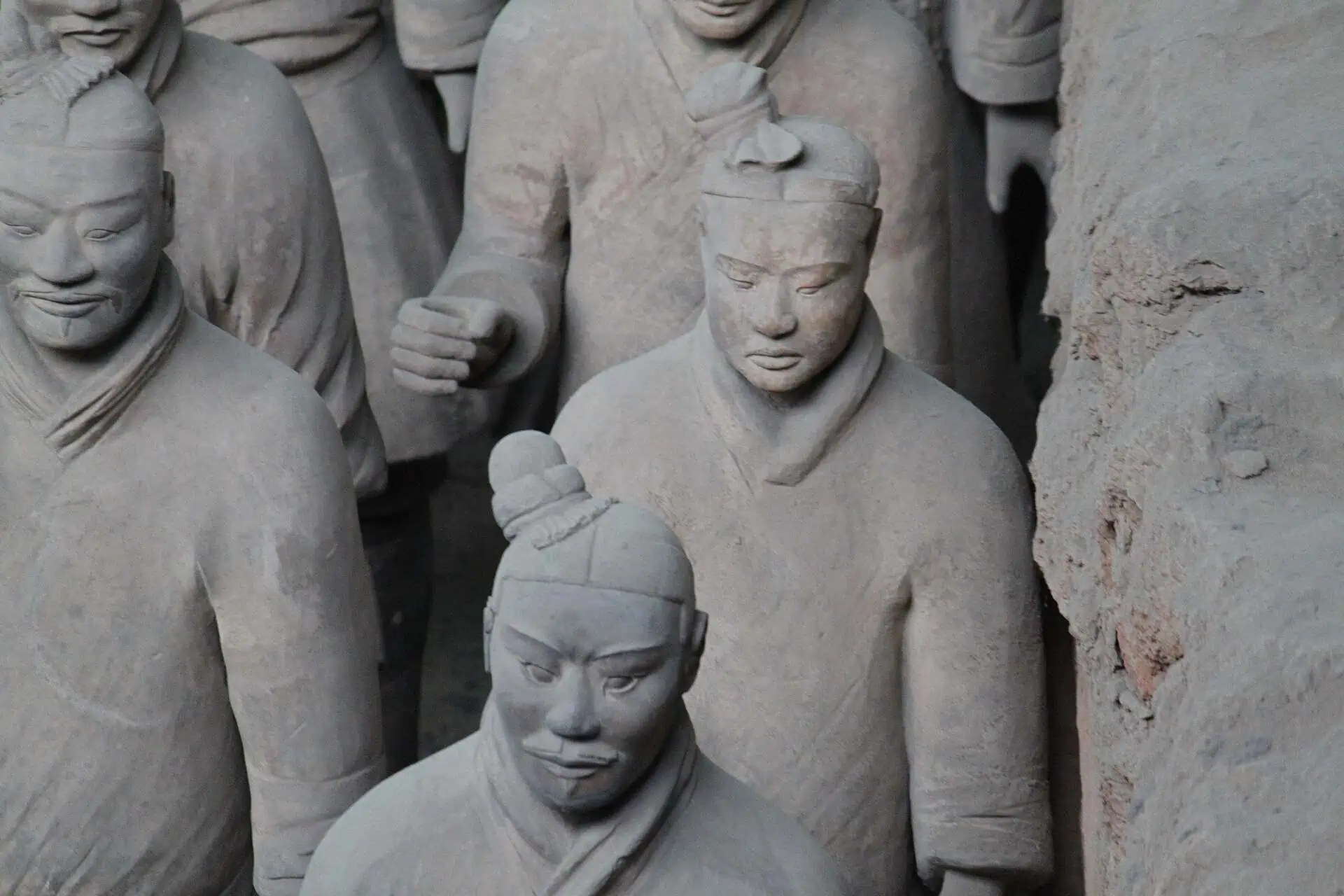
Terracotta Army
8,000 life-sized soldiers buried for China's First Emperor — and still on guard 2,200 years later.
Learn more →
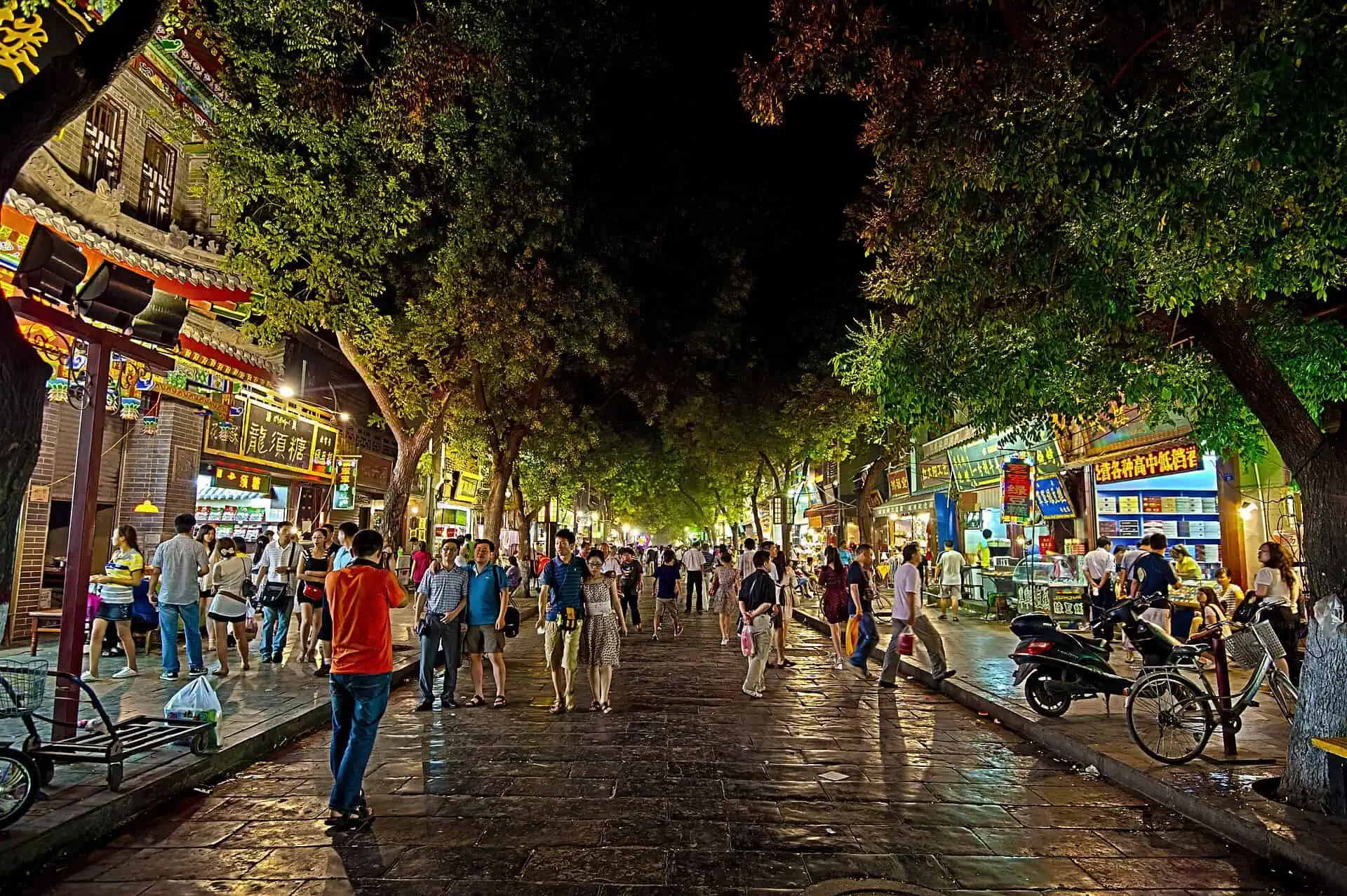
Muslim Quarter
Feeding Xi'an since the 700s — the loudest, smokiest, best-smelling streets of its Hui community.
Learn more →
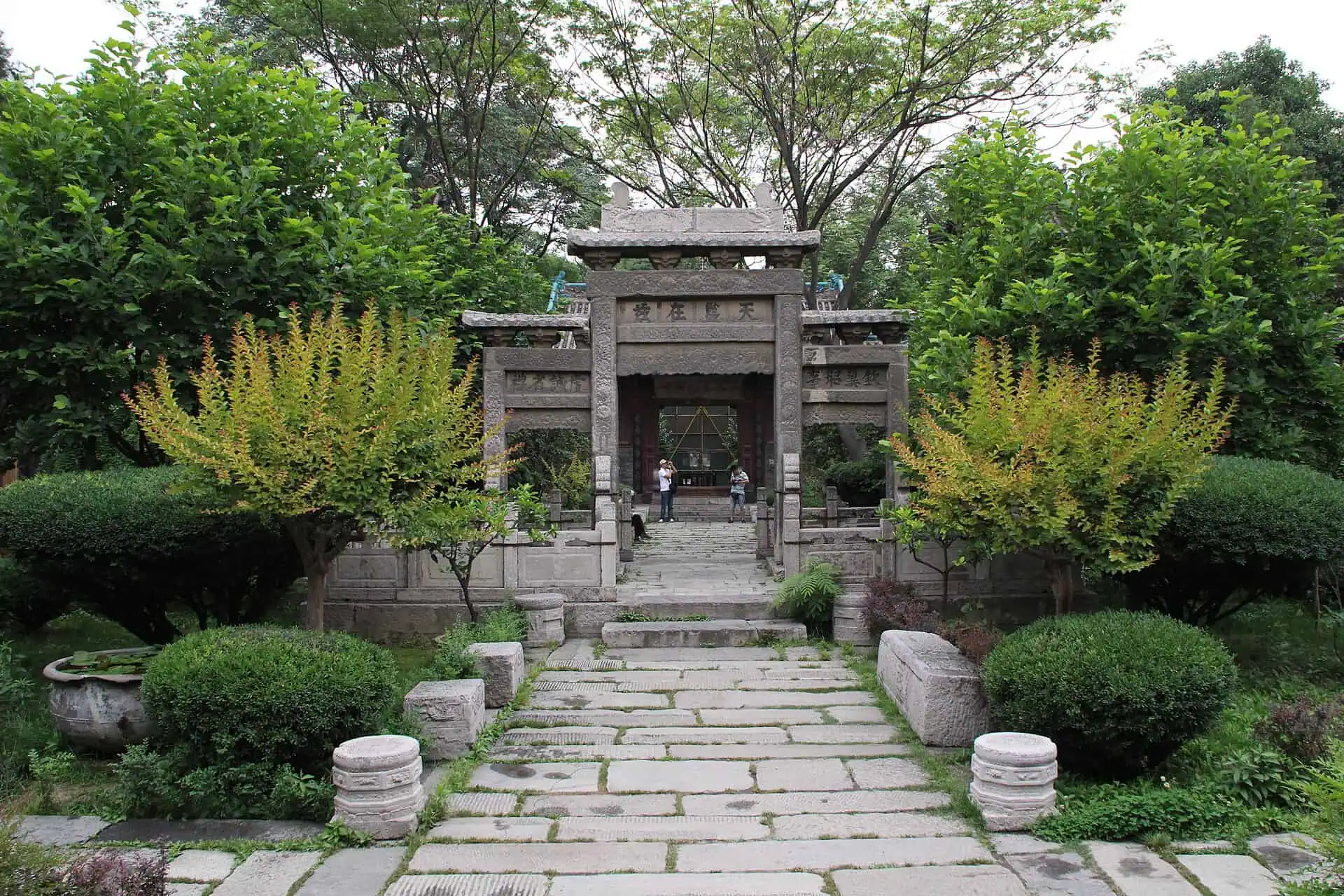
Great Mosque of Xi'an
A mosque founded under the Tang in 742 AD, dressed as a Chinese garden temple.
Learn more →
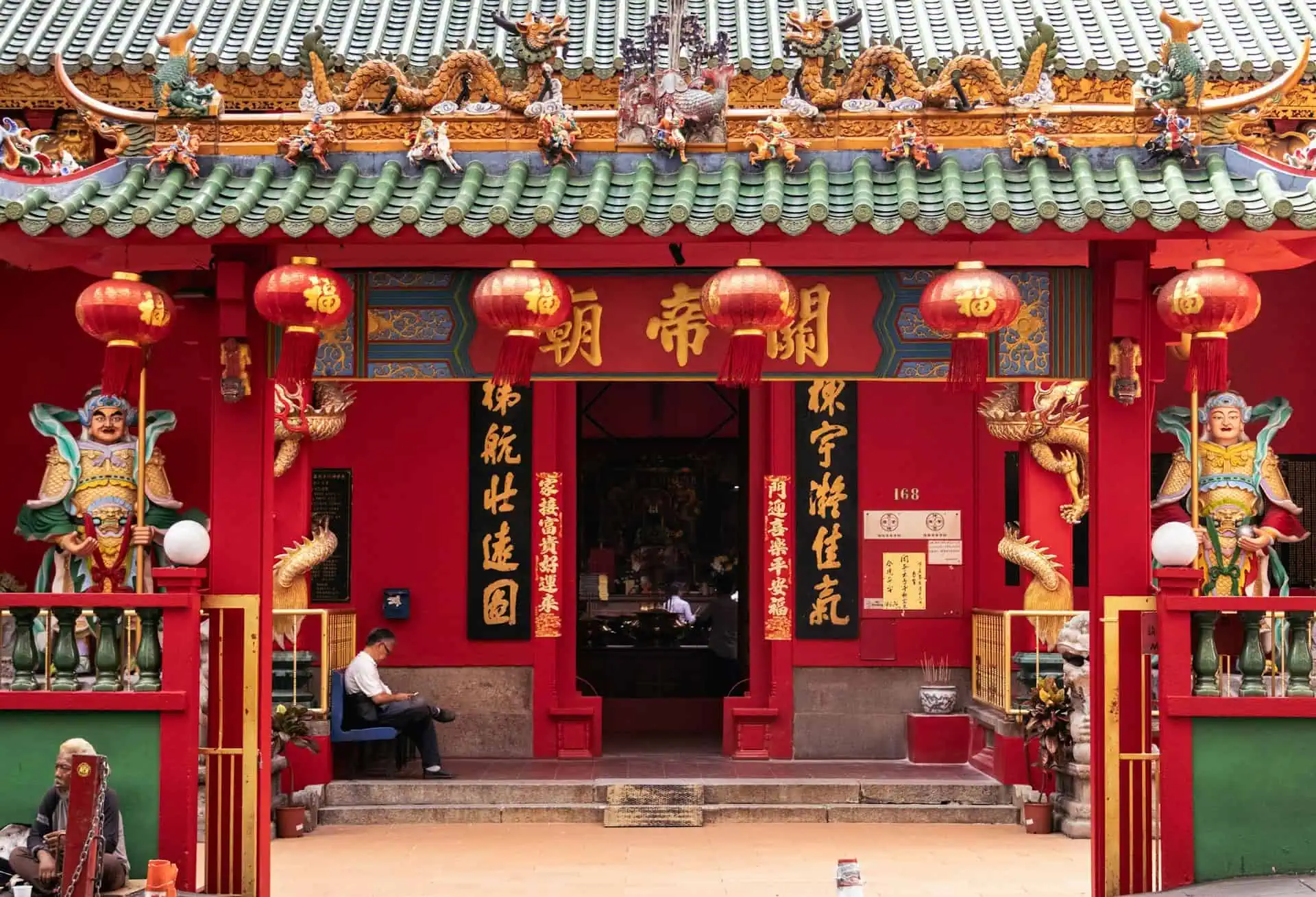
Baxian An (Temple of the Eight Immortals)
Xi'an's working Taoist temple — centuries of incense, fortune-tellers, and almost no tourists.
Learn more →
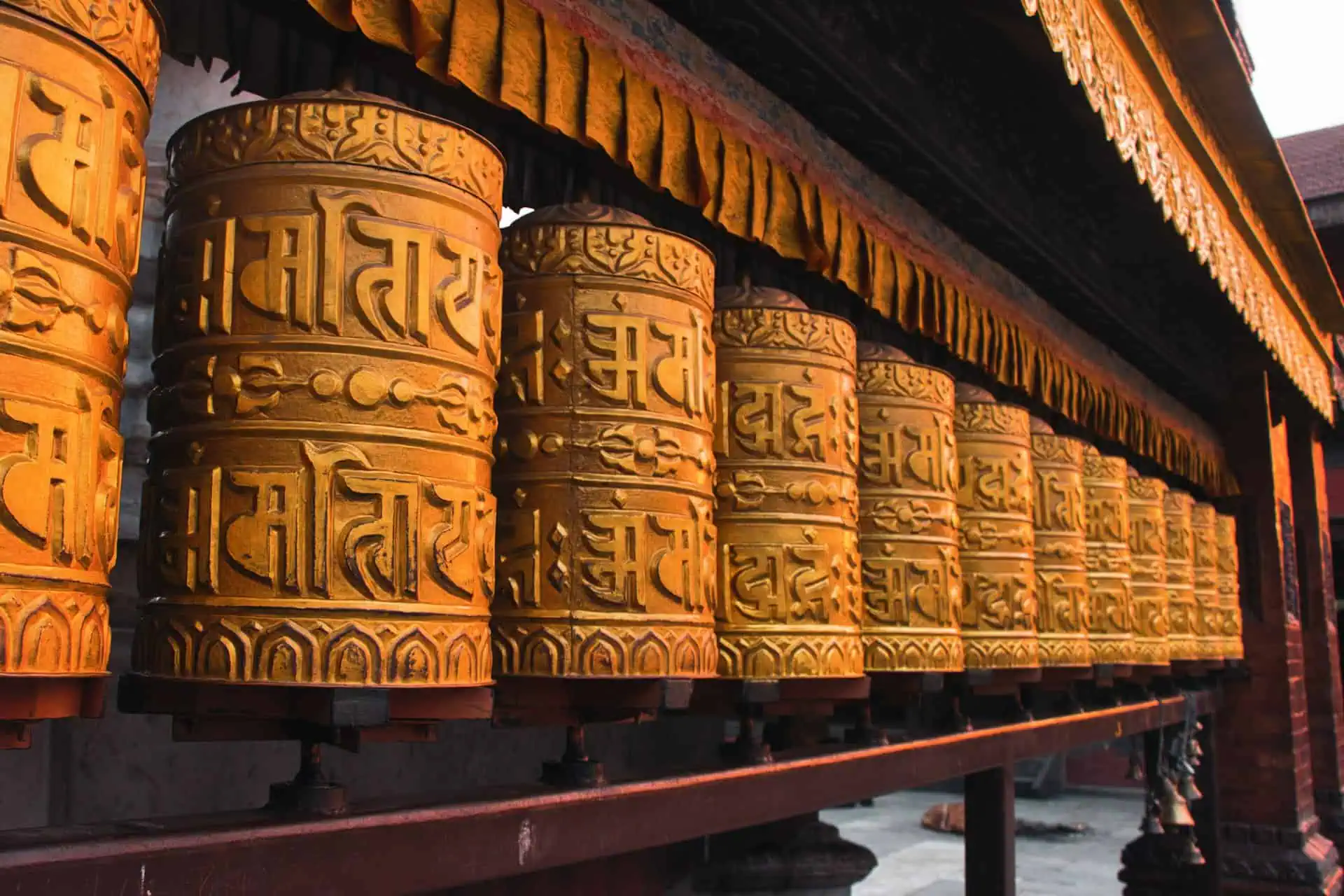
Guangren Temple
A slice of Lhasa planted inside Xi'an's wall in 1705 — Shaanxi's only Tibetan Buddhist monastery.
Learn more →
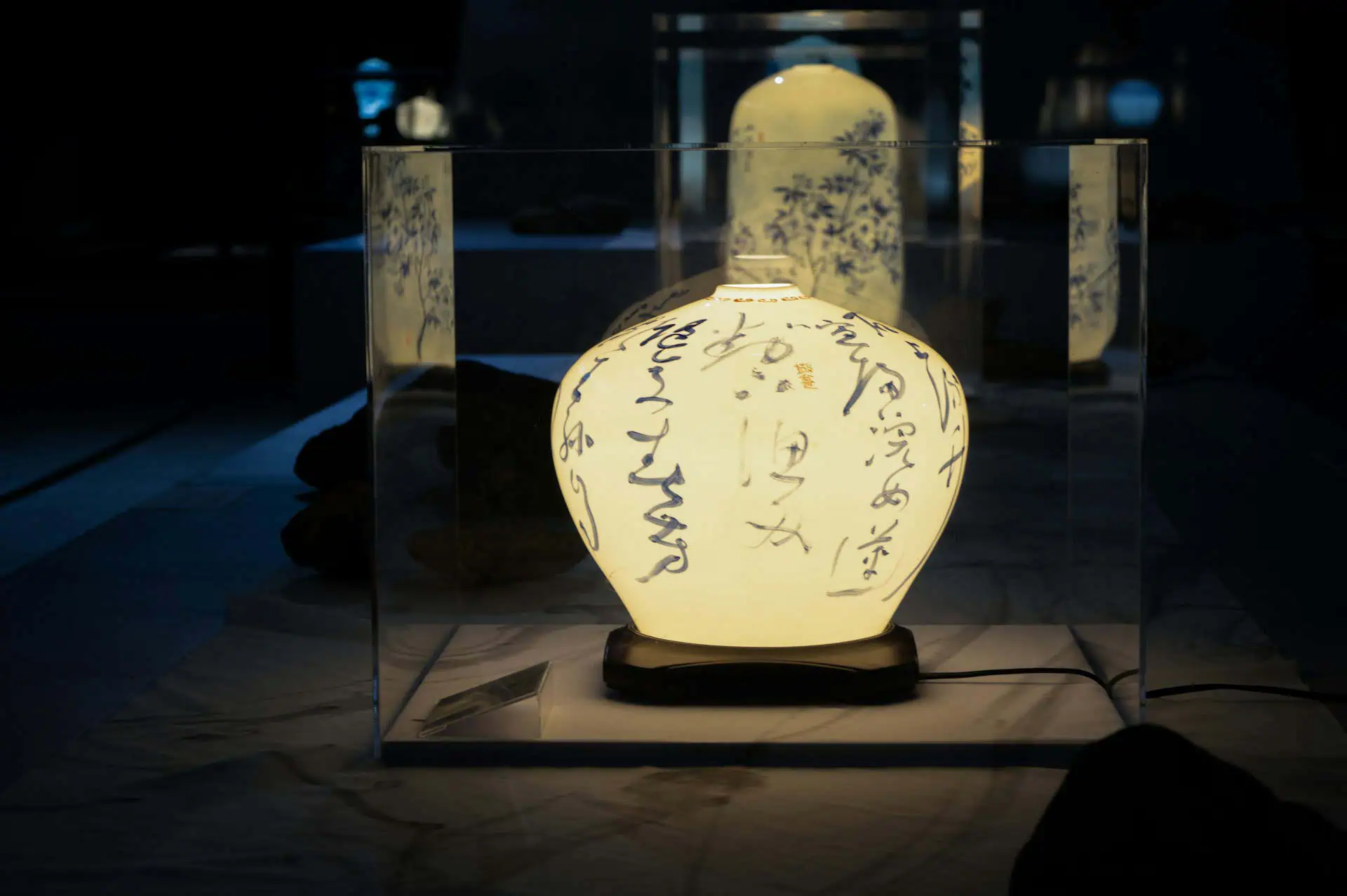
Shuyuanmen Ancient Culture Street
The scholars' lane behind the South Gate — four centuries of brushes, inkstones and seal carvers at work.
Learn more →
Keep exploring
Visas & entry: do you need one?
Probably less paperwork than you fear — and two of the doors now have their own deep-dive packages: the 30-day visa-free entry (~50 countries) and the 240-hour transit (55 countries, including the US). This page is the router: work out which door is yours, then read its package.
The 240-hour visa-free transit, explained
Ten days in China without a visa, if you're just passing through — including Americans. The rules, the traps, and how to run it through Xi'an.
The 30-day visa-free entry: who gets in free
Around 50 countries can now enter China for up to 30 days with no visa at all — no transit logic, no onward-ticket games. Most of Europe, the UK, Canada, Australia and more. The US is not on the list.