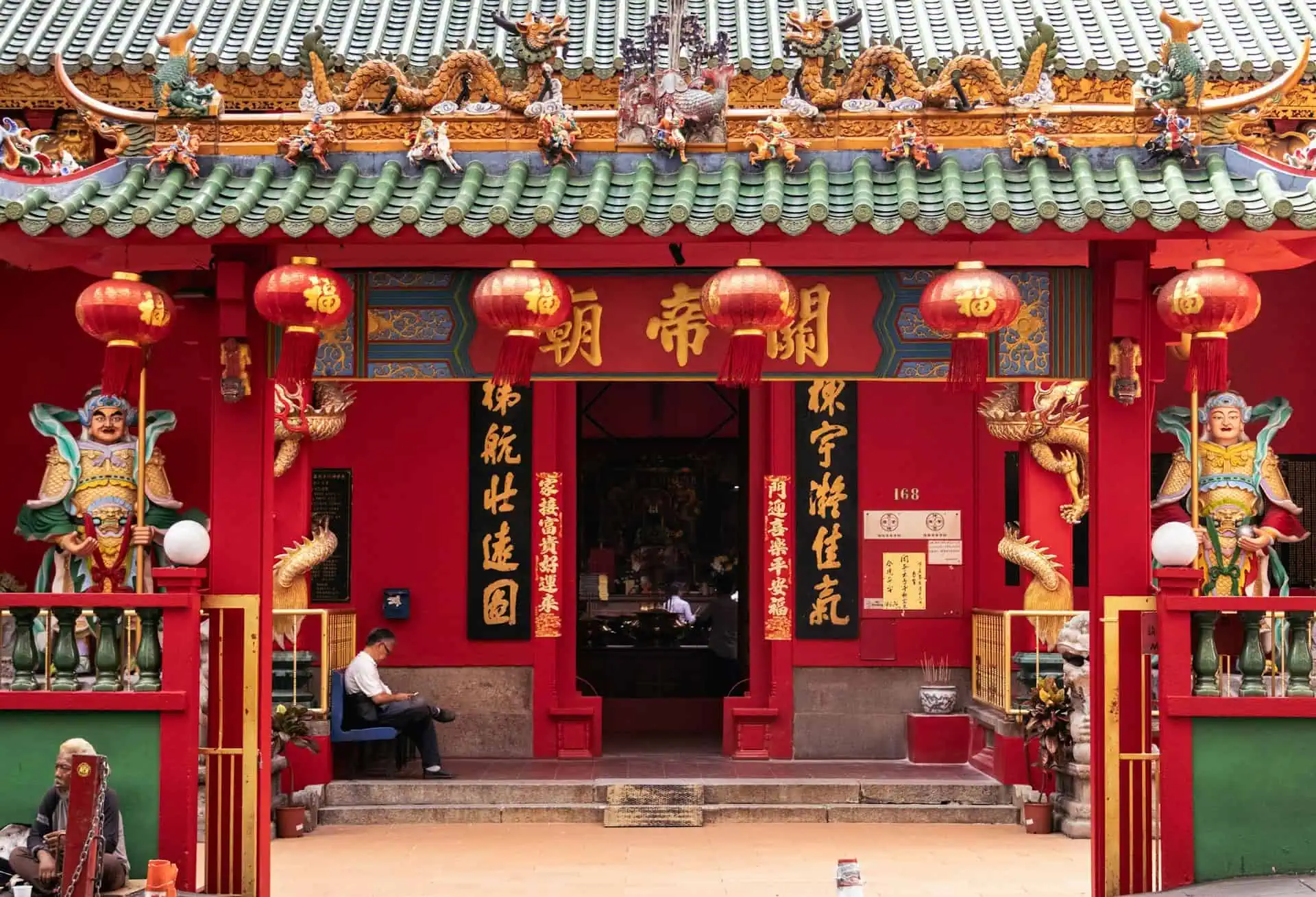
Baxian An (Temple of the Eight Immortals)
Bāxiān'ān (Wànshòu Bāxiāngōng)
Xi'an's working Taoist temple — centuries of incense, fortune-tellers, and almost no tourists.
Entry
From ¥3
Hours
Mon–Sun · May 1
Time needed
45 min–1½ hours
Metro
Line 1 · Kangfu Road (康复路) · B
Taoist worship has carried on here for centuries, and it shows: this is the city's main living temple, dedicated to the Eight Immortals of legend, and about as far from the polished museum-temple circuit as Xi'an gets. Worshippers burn incense and shake divination sticks, monks chant, fortune-tellers work the lane outside, and on Sunday mornings a sprawling antiques street market materializes at the door. Entry is about ¥3. Come for atmosphere, not grandeur — and come Sunday morning if you can.
What you're looking at
Baxian An (八仙庵, Bāxiān'ān), formally Wanshou Baxian Gong (万寿八仙宫, Wànshòu Bāxiāngōng — the Palace of the Eight Immortals), is Xi'an's largest active Taoist temple. It's dedicated to the Eight Immortals (八仙, Bāxiān), the beloved ragtag figures of Taoist folklore — the drunken poet-swordsman Lü Dongbin, the lotus-carrying He Xiangu, and six more — each with a hall and a cult following here.
The temple says its origins are Song dynasty, planted on ground that was once part of the Tang dynasty's Xingqing Palace complex; what stands today is largely Qing construction. Its most famous brush with history came in 1900, when the Empress Dowager Cixi fled Beijing ahead of the Eight-Nation Alliance and set up her court-in-exile in Xi'an. She sheltered at Baxian An and later donated funds for its restoration — the "Wanshou" (ten thousand longevities) in its formal name is her favor.
What matters more for a visitor is that this is a working temple. Old women burn incense bundles, devotees kneel with rattling cups of divination sticks (求签, qiúqiān), resident monks in topknots drift between halls, and the lane outside is lined with fortune-tellers and sellers of spirit money. Almost no foreign tourists make it out here — which is precisely the point of coming.
Visiting strategy
Is it worth it? If your idea of a temple visit is a quiet monument with English labels, skip it — Baxian An has almost none. If you want to watch Chinese religion as it's actually practiced, it's the best ¥3 you'll spend in Xi'an. It's the natural counterweight to the polished Buddhist sites: same country, completely different atmosphere.
Best time: Sunday morning. The antiques street market sets up at dawn along the lanes outside and runs through the morning — porcelain, Mao memorabilia, old coins, jade, books, and bins of glorious junk. Assume nearly everything is a reproduction, bargain to a third of the first price, and enjoy it as theater. (For the more curated version of this scene, Shuyuanmen near the South Gate mixes calligraphy shops with antiques.) Weekdays, the temple is drowsy and you may have courtyards to yourself — better for watching worshippers undisturbed.
How to do it. 45–60 minutes is enough: enter through the main gate, work the central axis to the Eight Immortals hall, then wander the side courts. Your ticket usually includes three incense sticks — light them, bow three times toward the hall, and plant them in the burner if you want to take part, or just watch. Fortune-tellers along the approach lane offer palm and face readings for small money; agree the price before you sit down.
Pair it with the wall. The temple is a short hop from the East Gate (长乐门, Chánglè Mén) of the City Wall — temple in the morning, wall in the afternoon works well.
Getting there
The temple sits in the Changlefang area just outside the wall's northeast stretch — not quite walkable from the center, but easy by metro or taxi.
- Metro: Line 1 to Kangfu Road (康复路) station, exit B, then about a 10-minute walk east into the lanes toward Beihuoxiang (北火巷, Běihuǒxiàng). Follow the incense stalls and fortune-tellers — they thicken as you approach.
- Taxi/DiDi: ask for 八仙庵 or 万寿八仙宫. Around 15 minutes from the Bell Tower area when traffic behaves; cheap.
- Bus: routes stop at Jishiguai (鸡市拐), a short walk west of the temple — our getting around guide explains how to ride Xi'an buses if you're feeling local.
Note the entrance is down an ordinary commercial lane, not a monumental plaza. When you see the paifang gate and smell the incense, you're there.
Practical notes
- Money: the ¥3 ticket and small purchases are scan-to-pay territory like everywhere in China — set up Alipay or WeChat Pay. Fortune-tellers take cash or scan; nothing here is expensive.
- Etiquette: step over (not on) door thresholds, don't point at statues, and ask before photographing worshippers or monks. Our etiquette guide covers temple basics.
- Divination: shaking the bamboo sticks is free to watch; if you want your own stick interpreted, temple-side readers charge modest fees — fix the price first.
- Market caution: on Sunday mornings, keep valuables in front pockets in the crush, and repeat the mantra: everything is a reproduction until proven otherwise.
- Toilets: basic temple facilities; the kind you want tissues for.
- Combine: Guangren Temple, the city's Tibetan Buddhist monastery, is on the other side of the old town — together they make a good "living religion" day that most visitors never think to have.
Questions, answered
How much does it cost to enter Baxian An?
About ¥3 per person, and that usually includes three incense sticks. You buy the ticket at the gate — no booking, no ID needed. It's one of the cheapest sights in Xi'an.
What day is the Baxian An antiques market?
The open-air street-stall market peaks on Sunday mornings, with vendors setting up from dawn and packing up around midday. The indoor antiques mall opposite the temple keeps regular daily hours. Go early on Sunday for the full scene.
Is Baxian An worth visiting?
Yes if you want to see a working Taoist temple rather than a polished monument — incense, divination sticks, fortune-tellers, and almost no foreign tourists. Skip it if you're short on time and only want the big-name sights; it's an atmosphere stop, not a grand one.
How do I get to Baxian An?
Metro Line 1 to Kangfu Road station (exit B), then about a 10-minute walk east into the lanes. A taxi from the Bell Tower area takes around 15 minutes outside rush hour — ask for 八仙庵 or 万寿八仙宫.
Can I get my fortune told at Baxian An?
Yes — fortune-tellers line the approach lane offering palm, face and stick readings, and temple-side readers interpret divination sticks. It's a genuine local custom rather than a tourist show. Agree on the price before the reading starts.
What is the Temple of the Eight Immortals?
Xi'an's largest active Taoist temple, dedicated to the Eight Immortals of Chinese folklore. It traces its founding to the Song dynasty on ground once belonging to a Tang palace; the current buildings are mostly Qing. Empress Dowager Cixi sheltered here in 1900 and funded a restoration.
Keep exploring
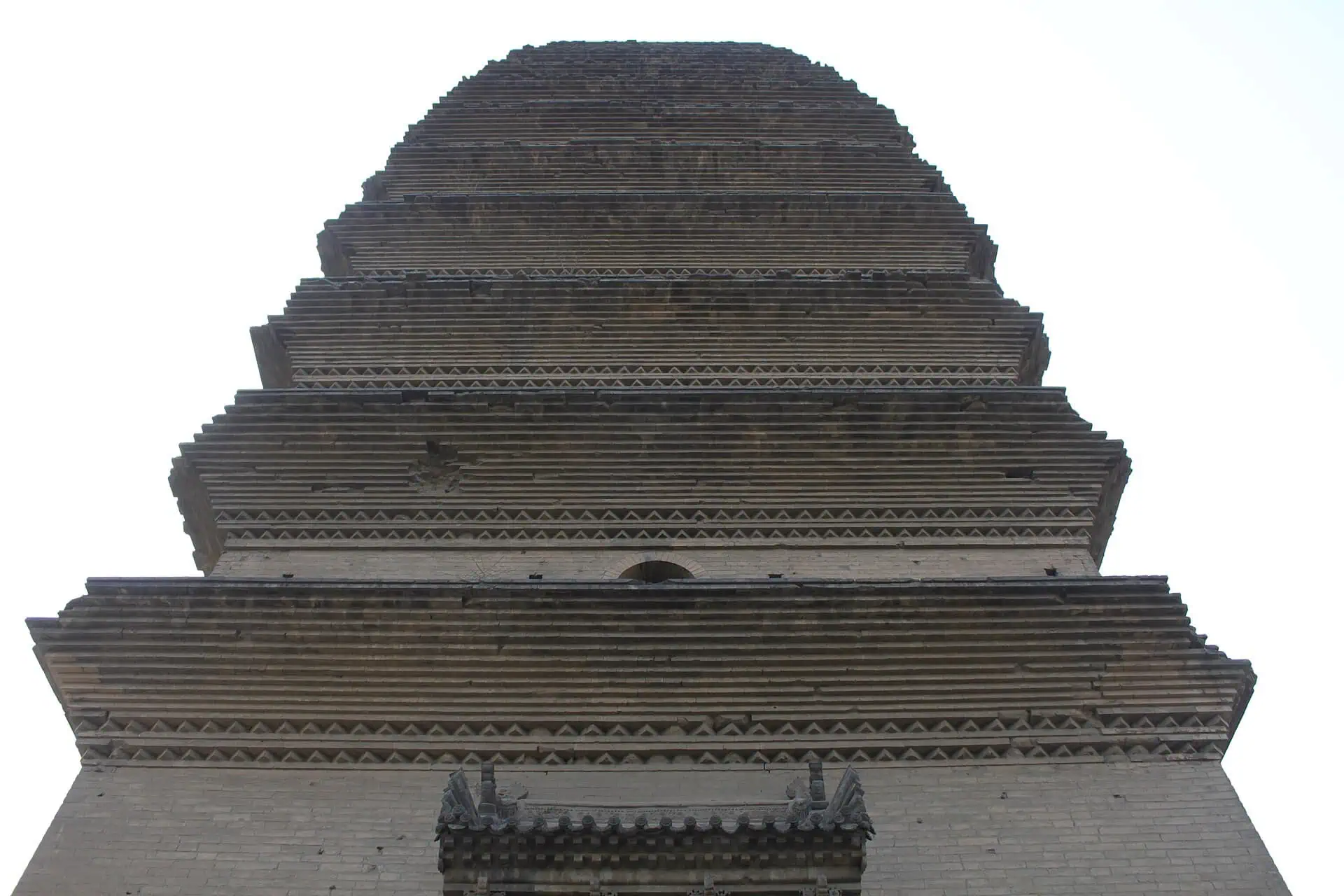
Small Wild Goose Pagoda & Xi'an Museum
A Tang pagoda from 707 AD that outlasted China's deadliest earthquake — free, calm, and half the crowds.
Learn more →
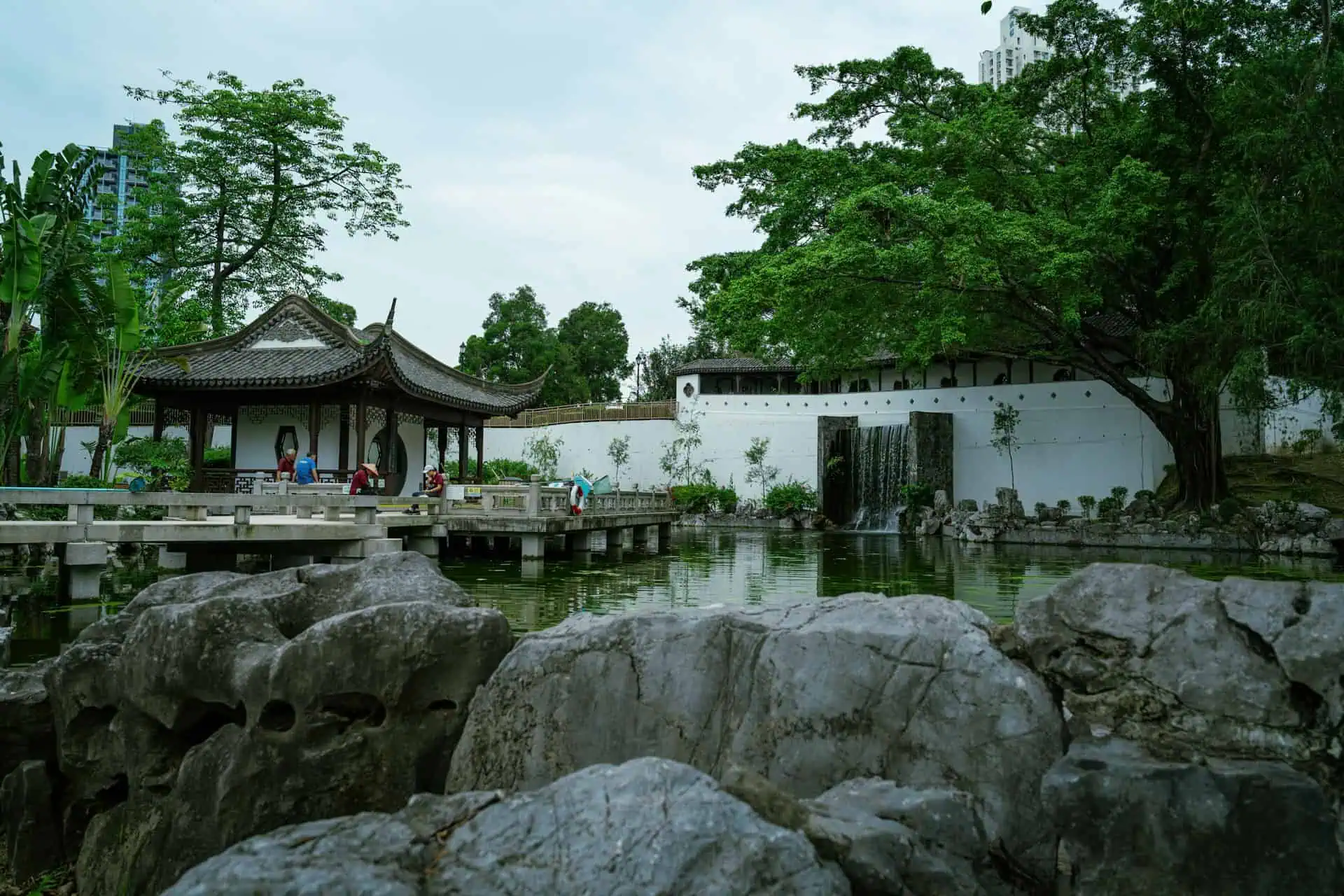
Xingqing Palace Park
Emperor Xuanzong's Tang pleasure palace, 1,300 years on — now Xi'an's favorite living room.
Learn more →
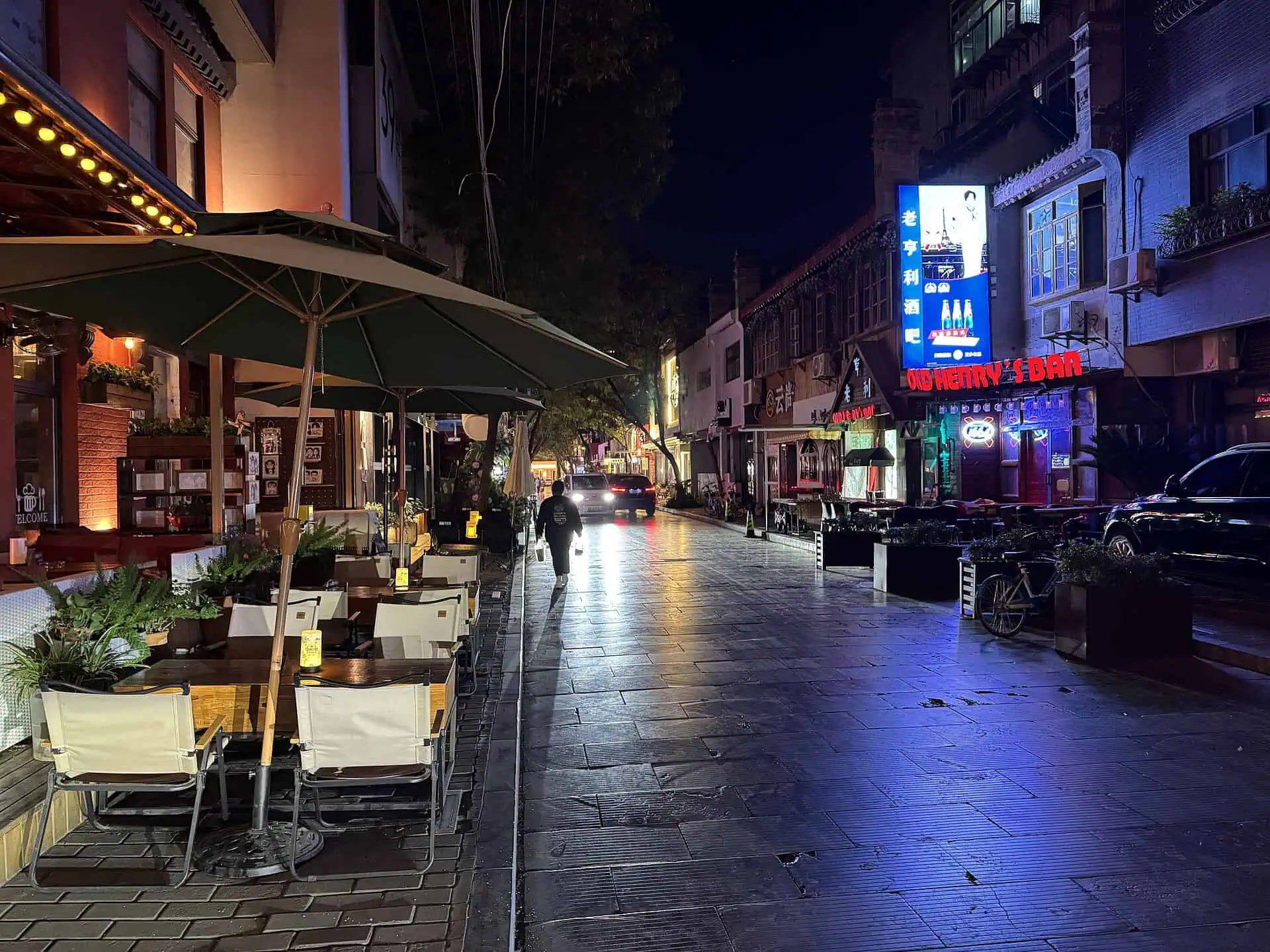
Defu Lane
Xi'an's original coffee-and-cocktail street, one grey-brick block inside the South Gate.
Learn more →