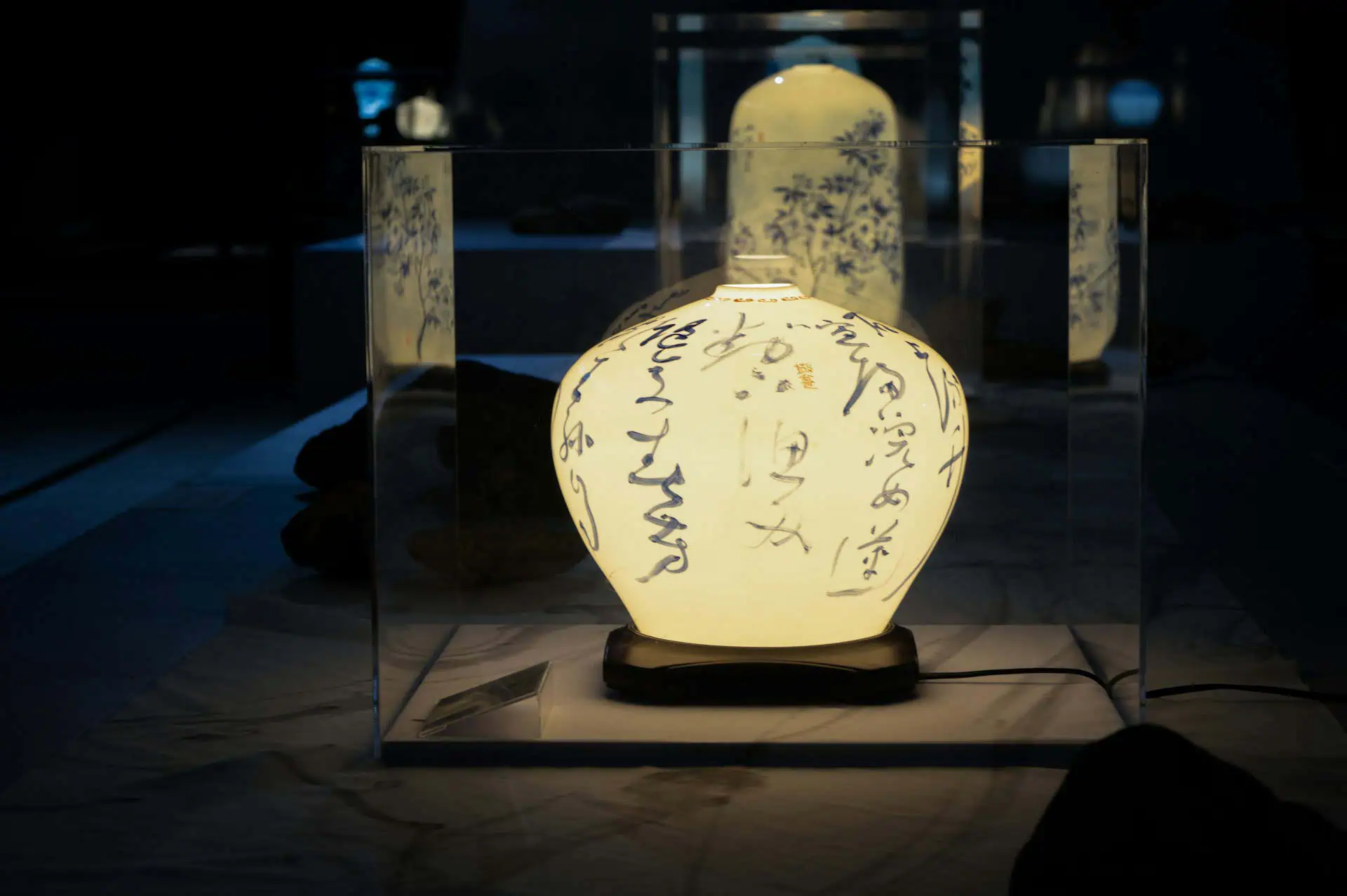
Shuyuanmen Ancient Culture Street
Shūyuànmén
The scholars' lane behind the South Gate — four centuries of brushes, inkstones and seal carvers at work.
Entry
Free
Hours
Mon–Sun · Open street; shops roughly 9:00
Time needed
45 min–2 hours
Metro
Line 2 · Yongningmen (永宁门)
For some 400 years, this 500-meter Ming-and-Qing-style lane has sold the tools of Xi'an's scholarly life: calligraphy brushes, inkstones, rice paper, and seal carvers still cutting name chops while you watch. It's compact, free, and calmly atmospheric — the antidote to the [Muslim Quarter](/en/attractions/muslim-quarter)'s crowds — and it sits directly between the [City Wall's South Gate](/en/attractions/city-wall) and the [Forest of Steles](/en/attractions/forest-of-steles), so it costs you nothing but an hour to fold into your day.
What you're looking at
Shuyuanmen (书院门, Shūyuànmén) means "Academy Gate," and the name is literal: the lane is named for the Guanzhong Academy (关中书院, Guānzhōng Shūyuàn), founded here in 1609 under the Ming and still standing partway down the street. Through the Ming and Qing dynasties this was the highest seat of learning in northwest China — the place where Shaanxi's scholars prepared for the imperial examinations. Go back further and the neighborhood held the Tang dynasty's imperial college. The street you walk today was rebuilt in Ming-Qing style in the 1990s, but it rebuilt a real thing: this corner of the old town has been Xi'an's bookish quarter for centuries.
What's actually on the street is the Four Treasures of the Study (文房四宝, wénfáng sìbǎo) — brush, ink, paper, inkstone — sold in every variation: horsehair brushes the size of mops and single-hair brushes for fine script, slabs of Duan and She inkstone, calligraphy copybooks, rice paper by the sheet or the roll. Around the core trade orbits everything adjacent: fan painters working to order, shadow puppets, gourd carvings, stone rubbings pulled from the steles next door, and — the best of it — seal carvers (篆刻, zhuànkè) sitting at their benches with trays of soapstone, cutting characters by hand.
One honest calibration: this is a shopping street, gently touristed, and the "antiques" are not antiques. Come to watch craft, buy supplies or a name seal, and enjoy a pretty lane — not to hunt treasure.
Visiting strategy
The move: get a name seal carved. A personal chop (印章, yìnzhāng) is the single best souvenir in Xi'an — a stone stamp of your name rendered in seal script, carved in front of you in about 20 minutes. Pick a carver whose sample tray you like, choose a stone (plain soapstone costs tens of yuan; finer stones run into the hundreds), and agree the price before the knife touches it. They'll transliterate your name into characters — check what the characters mean before you commit, or bring a Chinese name you already like.
Watch the work, don't just browse the shelves. The value of this street is live craft: carvers cutting seals, painters doing fan faces to order, calligraphers writing scrolls on the sidewalk. Slow down for it.
Bargain, pleasantly. Posted prices on decorative items are opening positions — polite counteroffers of 60–70% are normal; brushes and paper in the serious supply shops are more fixed. Never haggle over a craftsman's labor after agreeing a price.
The perfect pairing: the lane runs from the South Gate of the City Wall straight east to the Forest of Steles, Xi'an's museum of carved stone calligraphy — which is where everything sold on this street comes from, historically. Do the stele museum first (understand the art), walk the lane west (see it practiced), and finish on the wall at dusk. That's exactly the sequence our 3-day itinerary uses for the old-town afternoon.
Getting there
The lane sits just inside the City Wall's South Gate — you can stand on the gate tower and look down its rooftops.
- Metro: Line 2 to Yongningmen (永宁门) station. Come up at the South Gate square, walk through the gate tunnel, and the lane's entrance arch is immediately on your left (east). Five minutes, no wrong turns — metro basics in our getting around guide.
- From the Forest of Steles: the lane is the museum's western continuation — exit the museum area and just keep walking. If you're doing both, this direction works equally well.
- Taxi/DiDi: ask for 书院门 or 南门. Drop-off is at the gate square; no cars enter the lane itself.
Practical notes
- Timing: 45 minutes for a walk-through, up to 2 hours if you commission a seal or a fan painting. Shops close earlier than you'd expect — by 19:00 much of the street is shuttered, so don't leave it for after dinner.
- Payments: stalls take WeChat Pay and Alipay; a little cash helps with the smallest vendors.
- Shipping: inkstones and large stones are heavy. Shops can arrange domestic courier, but for anything you care about, carry it home — see our souvenir guide for what's worth suitcase space.
- Rubbings: the stele-rubbing prints sold here range from machine prints to hand-pulled work. Ask how it was made; the price difference is real and so is the quality difference.
- Crowds: rarely oppressive. Weekday mornings are nearly empty; weekend afternoons bring browsing crowds but nothing like the Muslim Quarter.
Questions, answered
What is Shuyuanmen street famous for?
Calligraphy culture. The lane behind Xi'an's South Gate is lined with shops selling the Four Treasures of the Study — brushes, ink, paper, inkstones — plus fan painters, rubbings and seal carvers who cut name chops to order. It's named for the Guanzhong Academy, a Ming-dynasty school founded here in 1609.
Is Shuyuanmen free to visit?
Yes — it's a public pedestrian street with no entry ticket. You only pay for what you buy. Allow 45 minutes to 2 hours depending on whether you commission anything.
What should I buy at Shuyuanmen?
The signature purchase is a hand-carved name seal (chop) — a stone stamp of your name in seal script, cut while you wait. Calligraphy brushes, inkstones and hand-painted fans are the other worthwhile buys. Treat 'antiques' as decoration, not investment, and bargain politely on decorative items.
How do I get to Shuyuanmen?
Metro Line 2 to Yongningmen station, walk through the South Gate, and the lane's entrance arch is immediately to your left. It runs east from the gate straight to the Forest of Steles Museum, so the two pair naturally.
Is Shuyuanmen worth visiting?
Yes, if you have any interest in calligraphy, craft or a calm old-town stroll — and it's free and on the way between the City Wall's South Gate and the Forest of Steles, so it costs almost nothing to include. Skip it only if shopping streets genuinely don't interest you.
Keep exploring
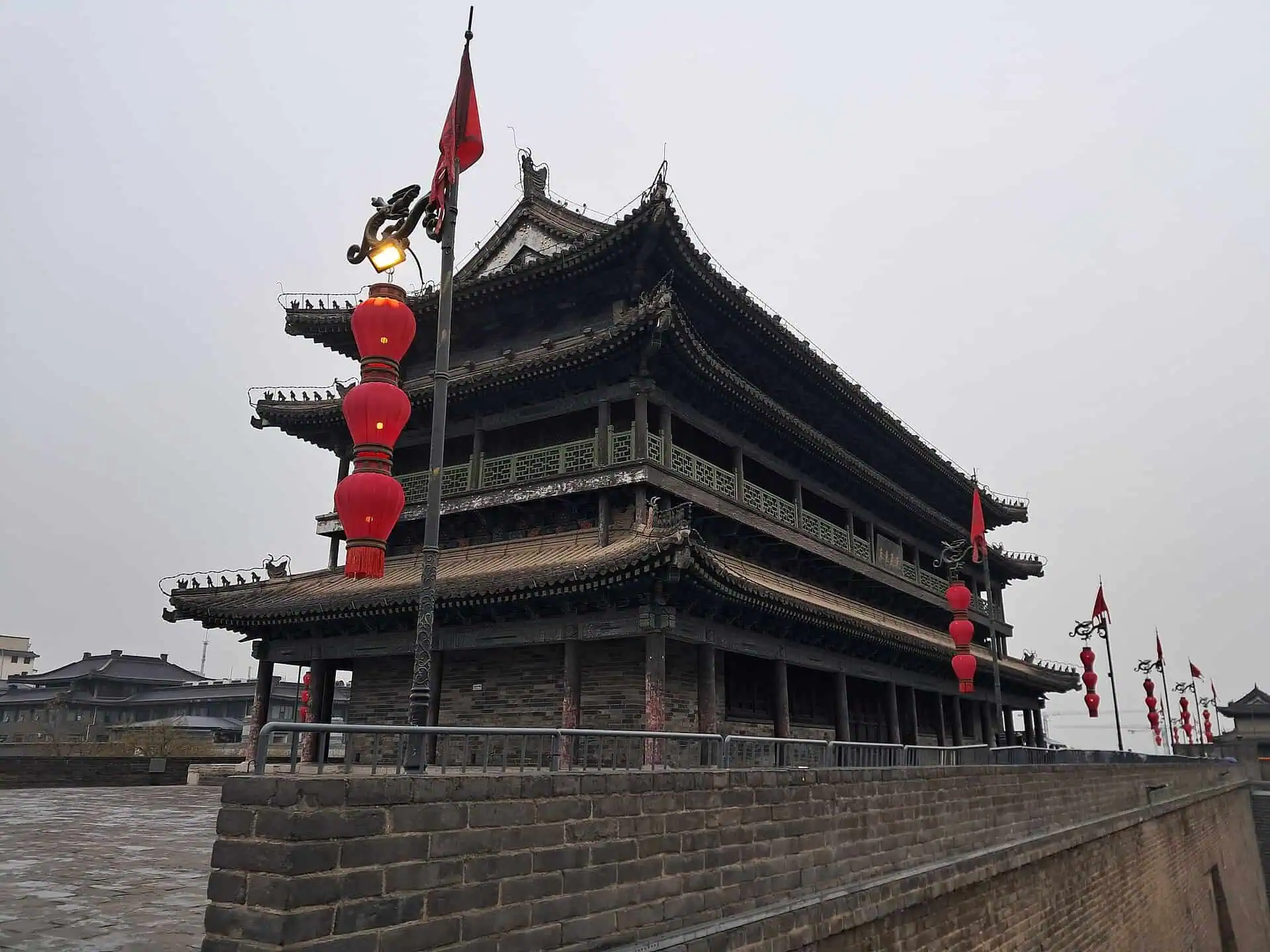
Xi'an City Wall
A 14-kilometer Ming dynasty rectangle you can cycle on top of — 650 years old and still the city's favorite commute.
Learn more →

Muslim Quarter
Feeding Xi'an since the 700s — the loudest, smokiest, best-smelling streets of its Hui community.
Learn more →

Xi'an Bell Tower
A Ming tower from 1384 at the dead center of the walled city — best admired at dusk, floodlit above the roundabout.
Learn more →
Related stories
Etiquette in Xi'an: what actually matters
Most China etiquette advice is written for business dinners, not tourists. The real list is short: one chopstick taboo, a young-and-imperfect queue culture, some camera manners, and a simple money rule — bargain at stalls, tip nowhere. Here's how to move through Xi'an without stepping on anyone.
Shopping in Xi'an: what's actually worth buying
Most of what's sold to tourists in Xi'an is factory stock you could buy anywhere in China — but a few things are genuinely local and worth suitcase space: a seal carved with your name on Shuyuanmen, a proper museum-shop terracotta figure, fu brick tea, and Shaanxi's dried persimmons. Here's what to buy, what to skip, and how the haggling works.
Hotels in Xi'an: what to actually book
Xi'an's hotel scene splits cleanly into three workable tiers: international five-stars that cost less than you'd pay at home, Chinese mid-range chains that are the best value in the city, and courtyard guesthouses for character. The two things that actually trip foreigners up — which area to pick and whether the hotel can register you at all — are both solvable in about ten minutes of reading. Start here.