Shopping in Xi'an: what's actually worth buying
Most of what's sold to tourists in Xi'an is factory stock you could buy anywhere in China — but a few things are genuinely local and worth suitcase space: a seal carved with your name on Shuyuanmen, a proper museum-shop terracotta figure, fu brick tea, and Shaanxi's dried persimmons. Here's what to buy, what to skip, and how the haggling works.
13 min read · 11 sections
The short version
- Best single souvenir: a custom name seal carved while you wait on Shuyuanmen street — about ¥50–200.
- Terracotta replicas: buy from the official museum shop for quality, or a ¥20 stall figure for fun — never believe "fresh from the dig" stories.
- Edible winners: dried persimmons, jujubes, instant paomo packs and fu brick tea all travel well.
- Never buy jade or "antiques" in tourist areas — the certificates are meaningless and real relics can't legally leave China anyway.
- Bargain at stalls and markets (start around half, stay friendly); don't haggle in museum shops, malls or restaurants.
- Pack food in checked luggage and declare it at home — Australia and New Zealand are the strictest on dried fruit.
The short version
Xi'an shopping splits cleanly into three piles. Worth it: the calligraphy quarter's craft goods (seals, brushes, ink), museum-shop terracotta replicas, Shaanxi food specialties and tea. Your call: mass-produced souvenirs — warrior keychains, paper cuts, silk-ish scarves — identical across China, fine as gifts if you bargain hard. Never: jade, "antiques," and anything a stranger tells you is an investment.
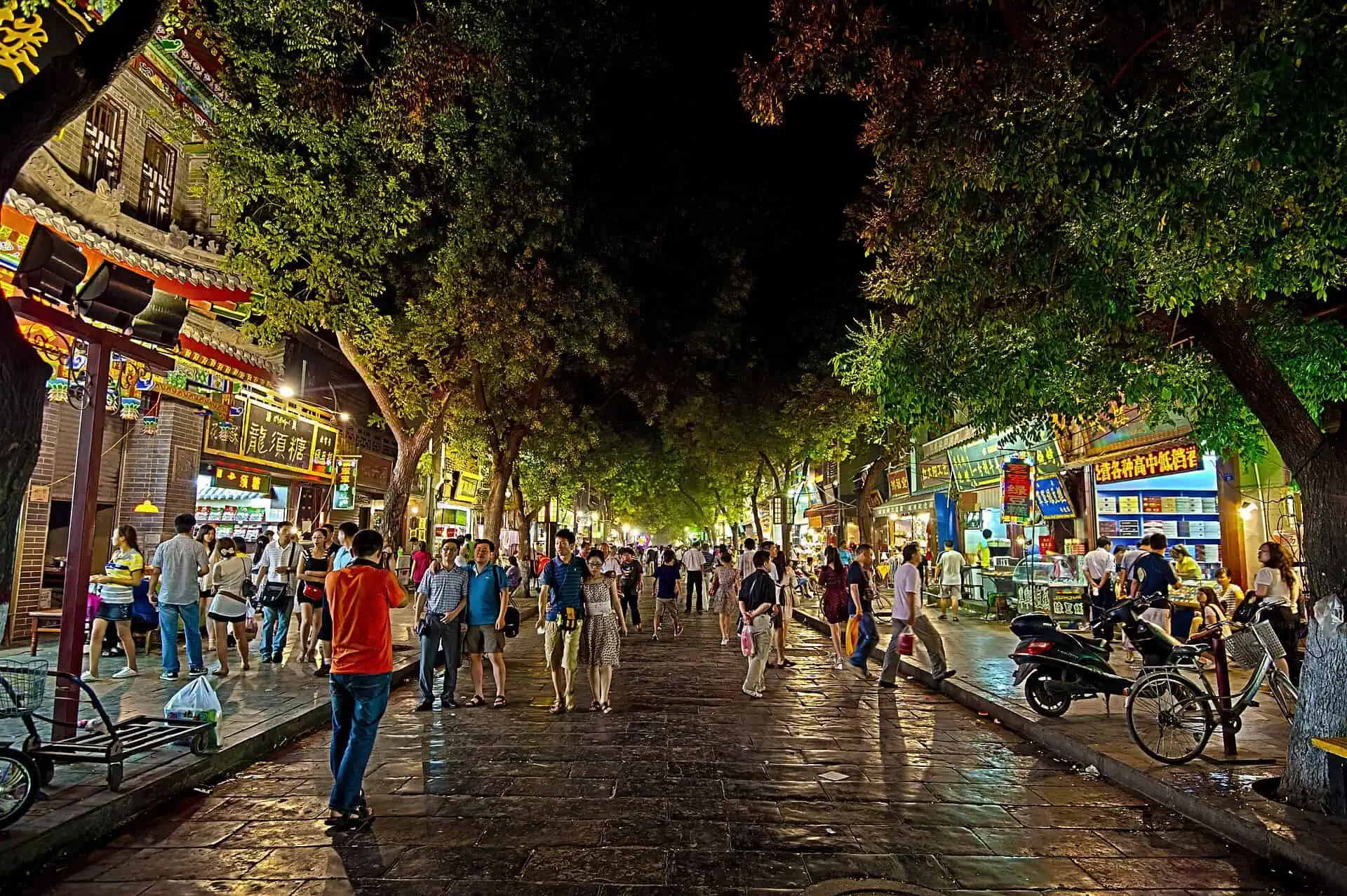
Where you buy matters as much as what. The honest craft shopping is on Shuyuanmen inside the South Gate; the honest replica shopping is inside the Terracotta Army museum itself; the honest food shopping is at the Muslim Quarter's dried-fruit stalls and ordinary supermarkets. The dishonest shopping is any shop a taxi driver, "guide" or friendly stranger steers you into — that pattern is covered below, and the payment side (mobile pay everywhere, bargaining in cash-friendly stalls) is in money and payments.
Shuyuanmen: brushes, ink and your name in stone
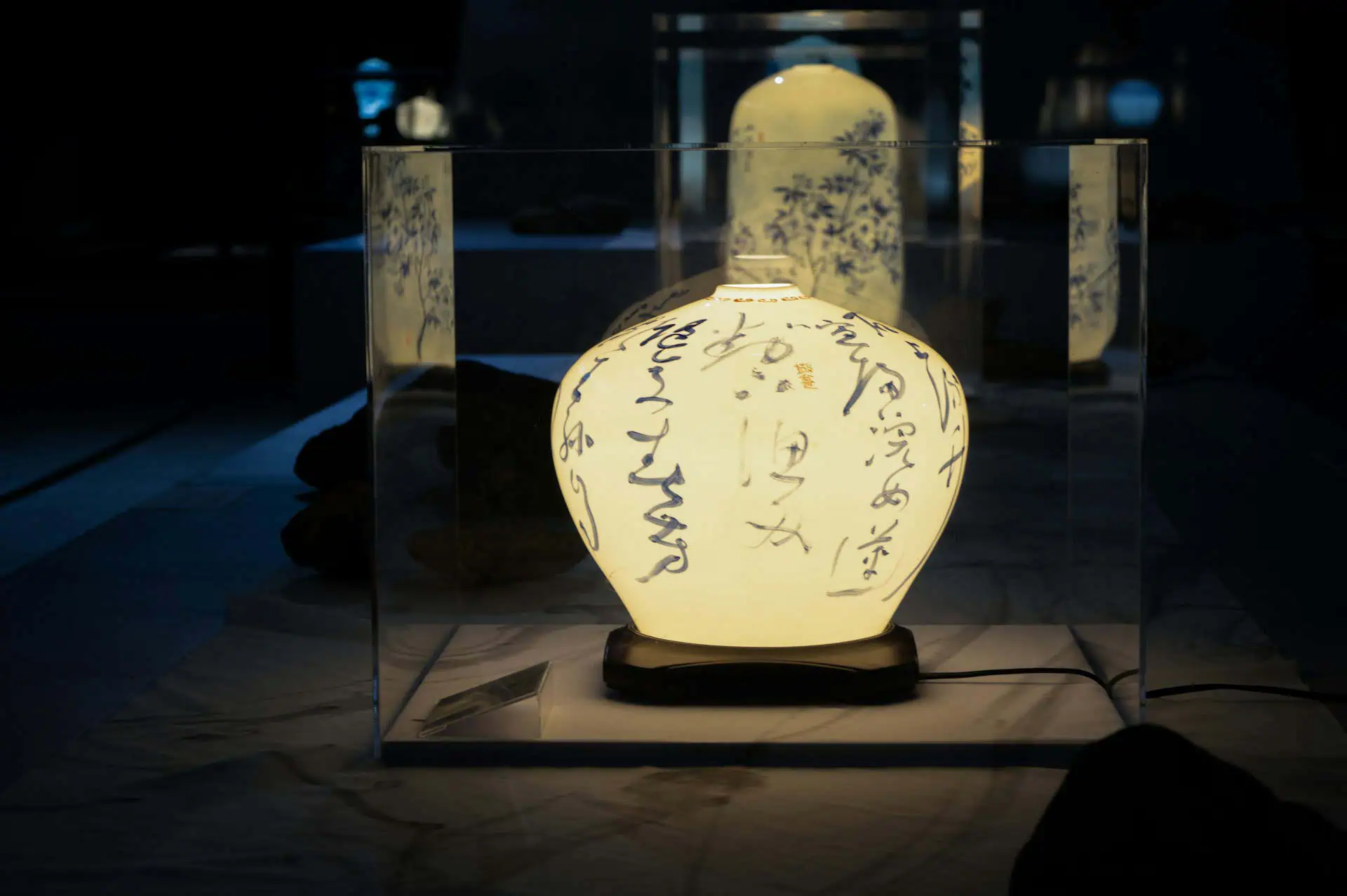
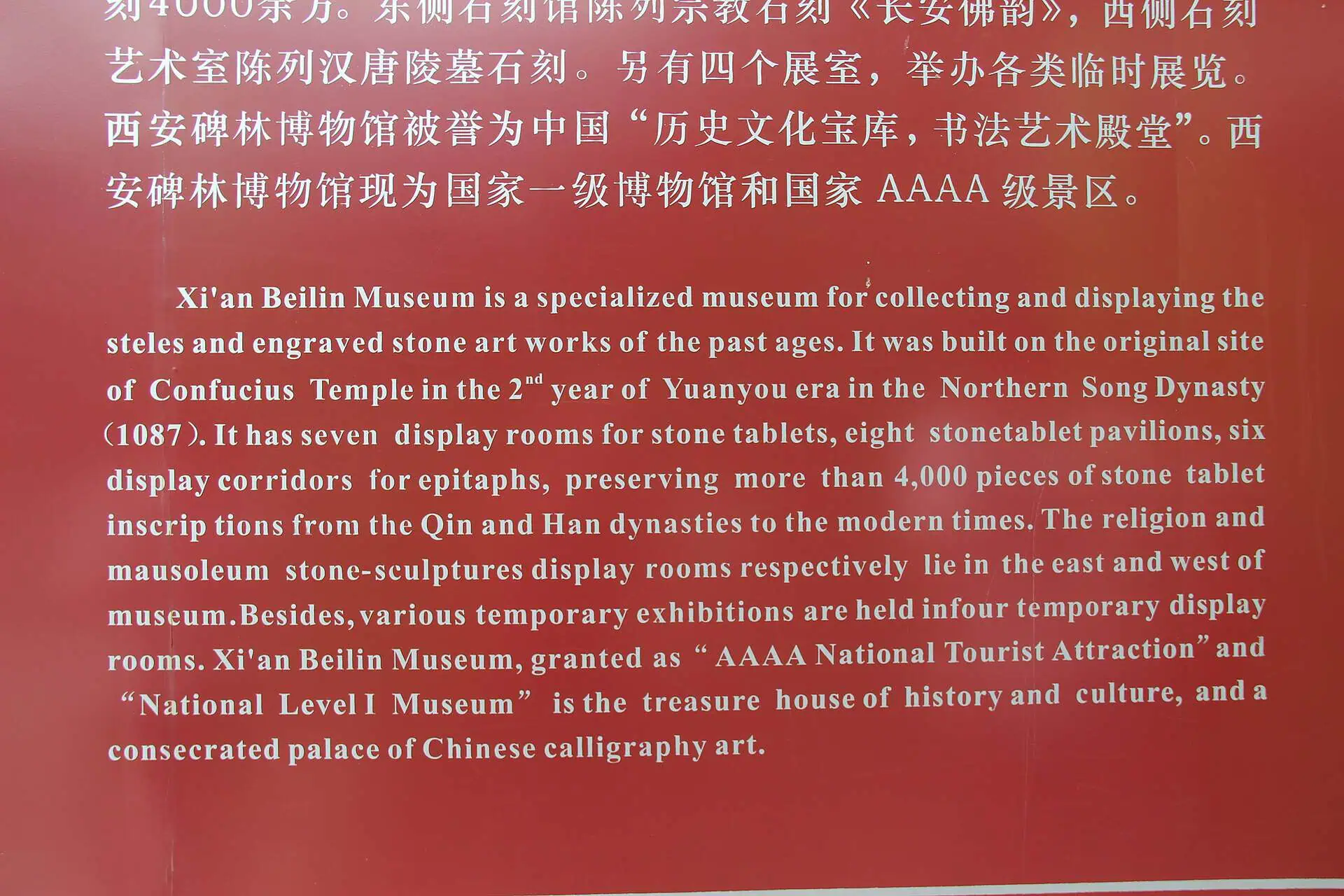
The one street in Xi'an where the souvenirs have real provenance. Shuyuanmen (书院门, Shūyuànmén) is a 500-meter flagstone lane running east from the South Gate toward the Forest of Steles (碑林, Bēilín) — China's great library of carved stone calligraphy. The shops along it sell the "four treasures" of the scholar's desk: brushes, ink sticks, paper and inkstones, plus rubbings, fans and scroll paintings. Calligraphers work at sidewalk tables; a personalized scroll or fan with your name brushed while you watch runs roughly ¥20–100 depending on size and the artist's patience. It's inside the old town within the wall, so it folds naturally into a walking day.
The thing to buy here is a seal (印章, yìnzhāng) — the stone name-stamp Chinese documents were signed with for two thousand years. The process: pick a stone blank (soapstone at the cheap end, nicer qingtian or shoushan stone above), tell the carver the name you want, and they transliterate it into Chinese characters and engrave it in seal script, usually within the hour. Expect about ¥50–200 depending on the stone and the carving — agree the full price, including any red ink paste box, before work starts. A few honest notes: the transliteration is the carver's choice, so ask them to write the characters out first if you care; the cheapest stones are soft and can chip; and this is one of the few souvenirs in China that is both made in front of you and made for you. Pair it with a small box of cinnabar ink paste (印泥, yìnní) or it stays decorative.
Terracotta replicas: the honest quality ladder
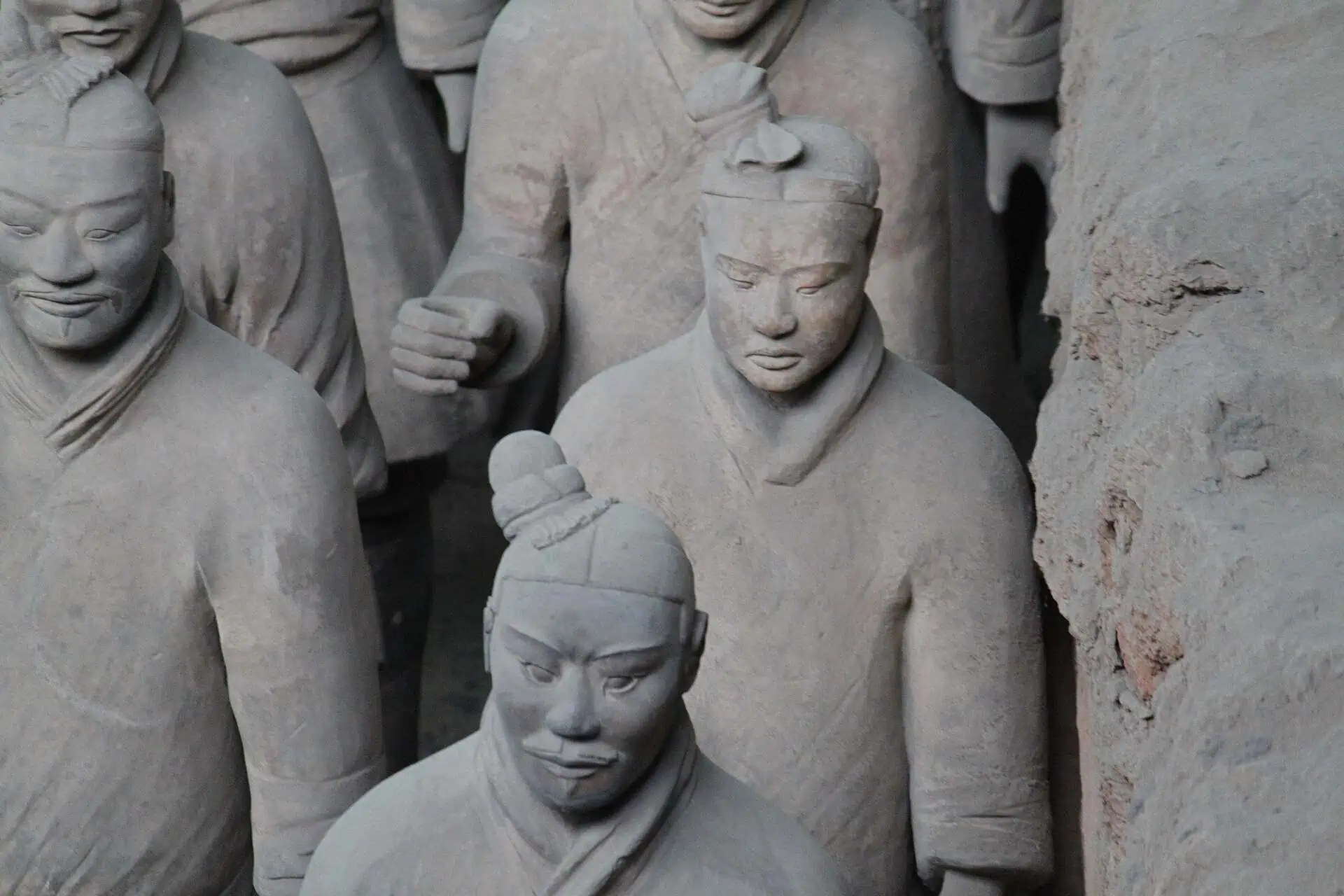
Every shop in Lintong sells little warriors, and the quality spread is enormous. Here's the ladder, top to bottom:
- Official museum shop (inside the Terracotta Army complex): licensed reproductions made with decent clay, sharp molding and proper firing — individual figures from roughly ¥100 up to several hundred for large pieces. These are the ones that survive the flight home and still look good on a shelf in five years. Fixed prices, proper boxing.
- Souvenir rows outside the museum and around town: mass-cast figures and boxed sets, ¥10–50 after bargaining. Hollow, rough, painted in a hurry — and perfectly fine as gifts for nieces and coworkers. Just know that the same figure can be quoted at ¥80 to the first tourist of the day and ¥15 at closing time.
- "Fresh from the dig" warriors: stalls near the site sell figures rubbed with dirt and offered with a whispered story about a farmer friend and a risky sale. They are factory casts aged with soil — real artifacts from the excavation are state property, have never been legally sold, and attempting to export one would be a crime, not a bargain. Buy one as a joke for ¥20 if it amuses you; pay "authenticity" prices never.
The rule that never fails: the closer to the exit gate, the lower the price for identical goods. And if you're buying anything fragile, the museum shop's foam boxing is worth its markup — see the packing section below.
Shaanxi you can eat later
The most underrated category — local, cheap, and genuinely good rather than gift-shop filler:
- Dried persimmons (柿饼, shìbǐng). Shaanxi's autumn specialty, frost-white with natural sugars on the outside and jam inside; the famous ones come from Fuping (富平, Fùpíng) county northeast of the city. Sold vacuum-packed at the Muslim Quarter's dried-fruit stalls and supermarkets, roughly ¥20–50 a bag. A different beast from the fresh-fried persimmon cakes (柿子饼, shìzibǐng) you eat hot on the street — those don't travel, so eat them on the spot and pack the dried ones.
- Jujubes (红枣, hóngzǎo). Shaanxi grows big, sweet red dates, often sold pitted and stuffed with a walnut. Great with tea, better on a plane. ¥20–40 a bag.
- Instant paomo packs. The noodle-soup classic yangrou paomo (羊肉泡馍, yángròu pàomó) comes in supermarket instant kits — bread crumbles, soup base, lamb. Not the real thing, but the closest your kitchen back home will get, and a fun gift for anyone who ate it with you.
- Qishan vinegar (岐山醋, Qíshān cù). The sharp, fragrant vinegar behind the region's sour-noodle dishes. A glass bottle in checked luggage is a leak waiting to happen — buy only if you can triple-bag it, and honestly consider whether your suitcase needs the drama.
Supermarkets beat souvenir stalls for all of the above on price and packaging. Check expiry dates, keep everything factory-sealed for customs, and read the packing section before loading up.
Fu brick tea: the Silk Road in a brick
The most distinctive thing you can drink from this region. Fu brick tea (茯茶, fúchá) comes from Jingyang (泾阳, Jīngyáng) county just north of Xi'an: dark tea pressed into dense bricks and fermented with a golden-flower fungus (the tiny yellow specks inside a broken brick — a sign of quality here, not mold). It was the tea the Silk Road caravans carried west, prized by meat-heavy diets across Central Asia, and it's having a local revival.
What to know before buying: a decent brick runs roughly ¥100–300 and up by age and grade; reputable tea shops will brew a sample before you commit — taste it (smooth, earthy, faintly sweet) and walk away from any shop that won't. It keeps for years and arguably improves, so it's the rare souvenir that rewards being forgotten in a cupboard. Buy from dedicated tea shops or the tea market rather than souvenir stalls, where the same brick wears a tourist markup. Skip the antique-priced "aged" bricks unless you actually know aged dark tea — that's a connoisseur's market, and tourists are its favorite prey.
绒馍馍 (Rong Mo Mo): the plush roujiamo
The breakout Xi'an souvenir of the China-Travel moment is genuinely local: 绒馍馍 (róng mōmo), a plush roujiamo from cultural-creative studio 大象文博 (Daxiang Wenbo). The gag is that you assemble it yourself, play-house style — two soft "buns" sandwiching a plush filling, with swappable fillings (roujiamo, potato, veg) riffing on 馍夹万物, "the bun holds everything." At about ¥49 it's the rare souvenir that's both designed in Xi'an and a hit with overseas visitors, not just domestic tourists.
The flagship is the 绒馍馍 store on the Grand Tang Ever Bright City strip (the 大城志 shop, open roughly 10:30–22:30). Buy it there and fold the stop into a night at the Tang shows. An honest note: it's a plush toy, not a craft object — the value is the joke and the story, and it's the most photographable thing you'll bring home.
Malls that are sights in themselves
You don't come to Xi'an for the malls — but two of them double as attractions, and all are free to walk into.
- Saige International (赛格, Sàigé), Xiaozhai. The mall with the waterfall: a 108-meter indoor cascade tumbling through the atrium, plus a 50-meter escalator — billed as Asia's longest indoor one — that runs from the ground floor straight up to the sixth-floor food halls. The shopping itself is mid-range and interchangeable; the spectacle is the point. It's a short walk from the Shaanxi History Museum, which makes it the obvious air-conditioned decompression stop after the museum crowds — ride the escalator, eat upstairs, leave. See Saige Mall.
- Joy City (大悦城, Dàyuèchéng), Dayanta. The mall beside the Big Wild Goose Pagoda, with a seven-meter Sun Wukong statue in the atrium — hands clasped, head bowed toward the pagoda where his master Xuanzang's statue stands outside. Younger brands than Saige, better coffee, and the pagoda views from the upper floors are among the best free ones in the city. Come at dusk, see the Monkey King, take the photo, skip the shopping.
- Gpark (老城根, Lǎochénggēn). An open-air retail block about a kilometer beyond the wall's northwest corner — red-brick Han-style buildings, a sunken plaza, a giant inverted-cone LED screen. Pleasant if you're staying on the north side; not worth a cross-town trip on its own.
None of these are where you buy souvenirs — prices are mall prices. They're where you cool off, eat something reliable and find a clean bathroom between sights.
Markets over malls
The shopping that will actually stick in your memory happens outdoors, early, and mostly involves things you can't pack.
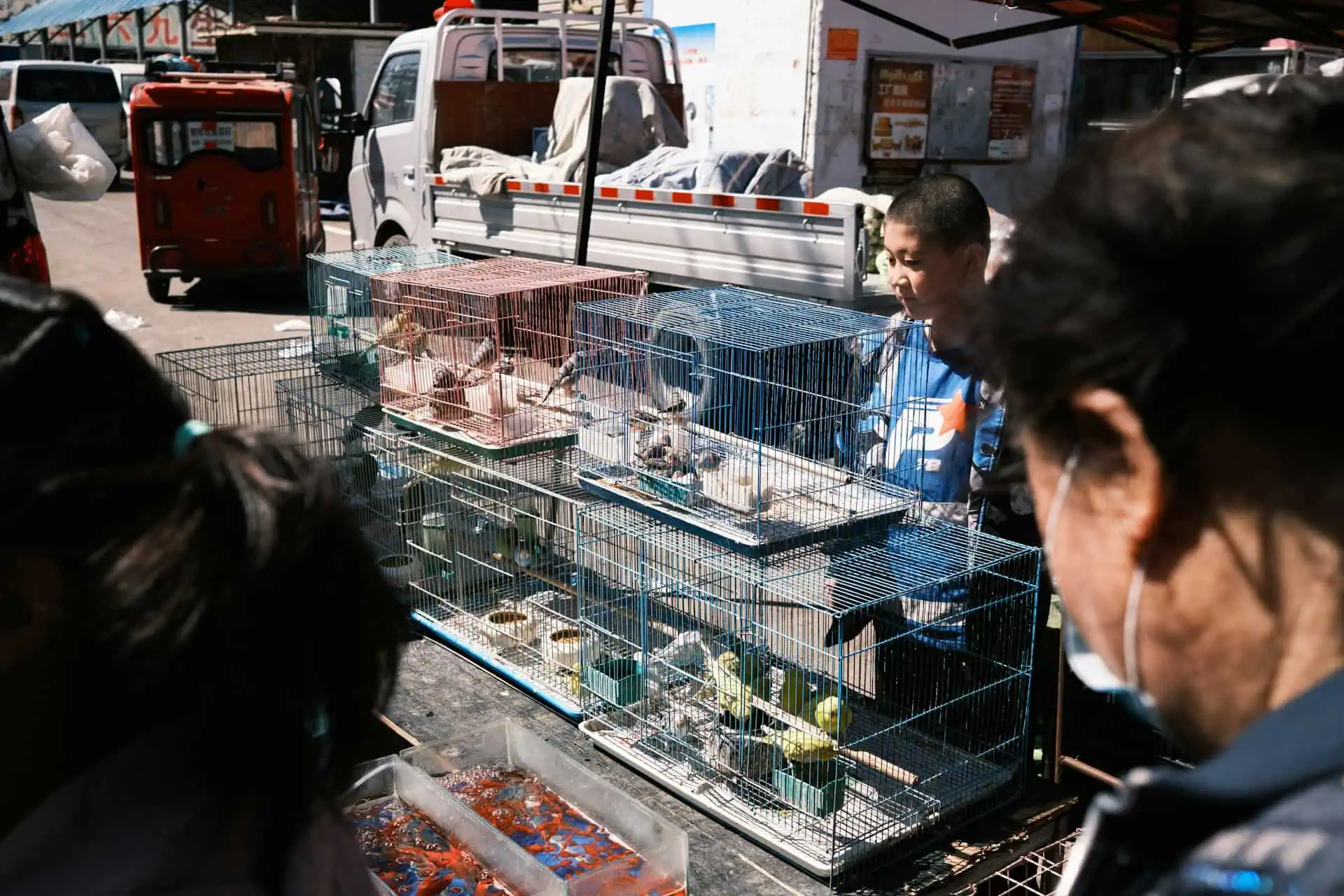
- Xicang market (西仓, Xīcāng). Xi'an's great flea market, held Thursday and Sunday mornings (roughly 7:00 to early afternoon) in the lanes by Sajinqiao. Songbirds in bamboo cages, crickets, goldfish, old coins, Mao-era memorabilia, secondhand everything. Go to browse, not to souvenir-shop — the fun is the haggling theater and the old men comparing birds, and most of the "antiques" fail the test in the scam section below. A ¥5 enamel badge or an old poster is the right purchase here; a "Ming vase" is not. Layout and logistics: Xicang market.
- Shuyuanmen. Covered in its own section above, but the street is technically a market too, and it remains the one place in Xi'an where the craft is made in front of you — seals cut to order, names brushed onto fans while you wait.
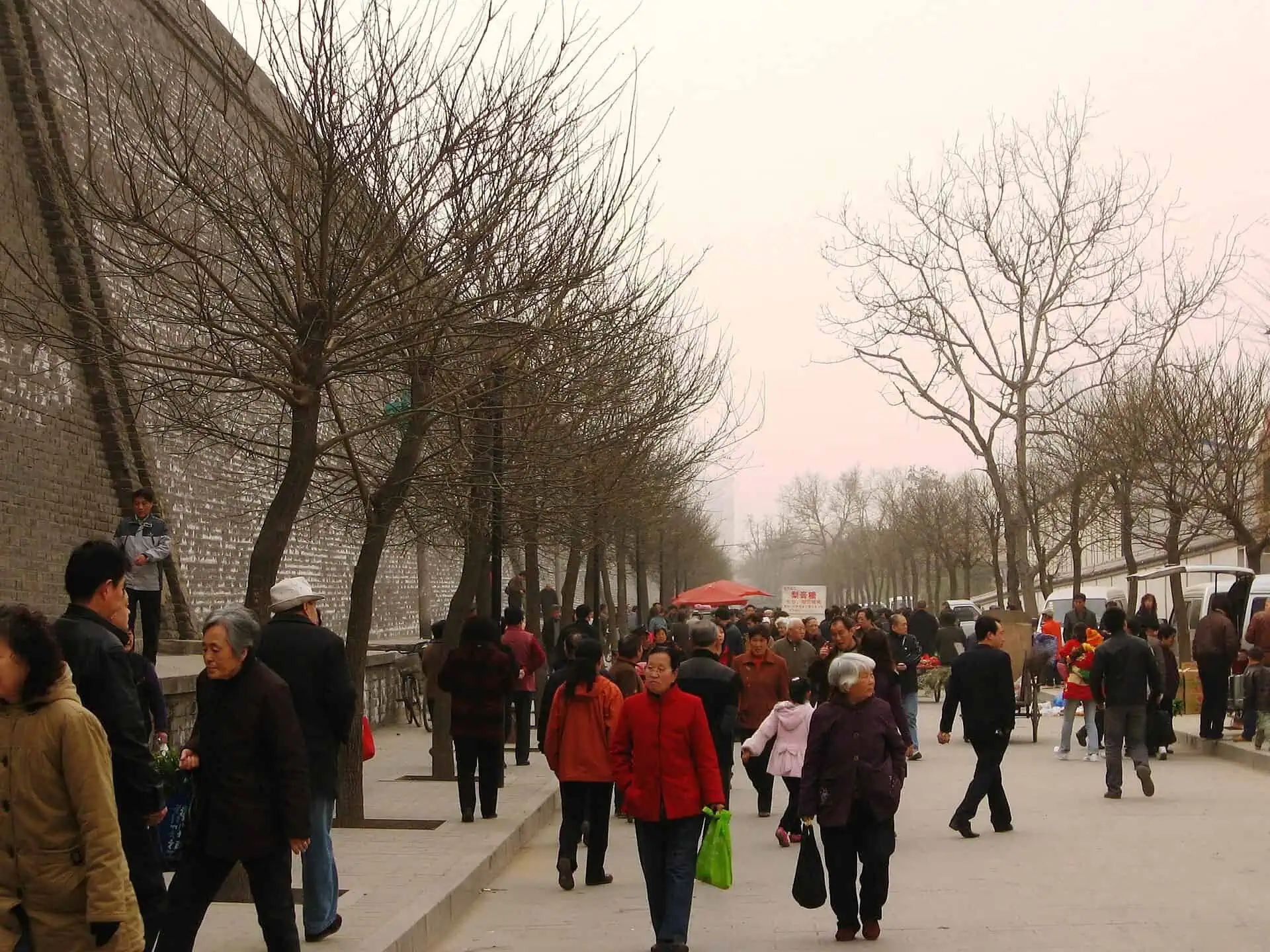
- Xiaonanmen morning market (小南门, Xiǎonánmén). Not a shopping stop at all — a wet-market-and-breakfast strip along the wall's southern foot between Wumumen and Hanguang Gate, running roughly 6:00–9:00 — but it belongs on this list because it's the best free hour of street life in the city: vegetable stalls, knife sharpeners, breakfast vendors, the wall towering over all of it. Eat breakfast standing up, buy a bag of whatever fruit is in season, leave the rest. Details: Xiaonanmen morning market.
Where NOT to buy: jade and 'antiques'
Two categories account for almost every expensive shopping regret in China, and Xi'an is no exception.
Jade. Tourist-area jade shops run a reliable script: friendly invitation in, a lecture on jade culture, a "certificate of authenticity" with every piece, and prices marked down 70% for reasons that keep changing. The certificates are real and meaningless — they certify the stone is jade, not that it's worth anything near the price. Tenfold markups on low-grade jade are the norm. If you love jade, buy a ¥50 bangle at a stall for fun and treat it as costume jewelry. If you want investment-grade jade, you don't buy it on a holiday in a shop that found you.
"Antiques." Anything in a tourist shop presented as Tang, Song or Ming is a reproduction — full stop. That's not cynicism, it's law and logistics: China restricts the export of cultural relics (as a rule of thumb, anything made before roughly 1795 needs official approval and an export seal), so a genuine antiquity sold casually to a foreign tourist either doesn't exist or is a crime you're being invited to fund. The variant pitches — "from a village dig," "my grandfather's collection," the dirt-aged warriors near the Terracotta Army — are theater. Buy reproductions as reproductions (some are beautiful) at reproduction prices.
Also on the skip list: the "student art exhibition" you're invited to by a friendly English-speaker (the paintings are print-shop stock with a story attached), and any shop your driver is keen to wait outside of — commissions are baked into your price. If a stranger is this helpful, you're the product.
Bargaining, without being that tourist
Where haggling is expected: market and street stalls — the Muslim Quarter's souvenir stands, the replica rows in Lintong, the craft tables on Shuyuanmen. Where it isn't: museum shops, malls, chain stores, supermarkets, restaurants, and anywhere with printed price tags and a till.
The mechanics, once you've established you're in a bargaining venue:
- Let the seller quote first, then counter at roughly half to two-thirds — less if the opening was clearly a tourist number.
- Stay cheerful. Haggling here is theater, not conflict; smiling and walking away slowly is the strongest move you have, and "too expensive" (太贵了, tài guì le) is the only phrase the move strictly requires.
- Decide your ceiling before you start, pay it happily when you reach it, and don't re-haggle after agreement — that's the one genuinely rude move.
Keep perspective: the gap between a good and bad haggle on a ¥40 souvenir is about the price of a coffee back home. Spend your negotiating energy on the ¥200 items, not the ¥20 ones, and read etiquette and customs for the wider do's and don'ts of Chinese shop-floor manners.
Getting it home: packing vs shipping
Most Xi'an souvenirs are built to travel — tea bricks, vacuum-packed persimmons, jujubes and seals all survive a suitcase fine. The ones that need thought:
- Terracotta replicas: wrap in clothes inside checked luggage, or pay the museum-shop markup for their foam boxes. Anything over 20 cm is a liability; the small figures are the smart buy.
- Liquids (vinegar, chili oil, alcohol): checked bag only, sealed in bags, wrapped hard. Honestly, weigh the leak risk against the gift.
- Food and customs: keep everything in factory-sealed packaging and declare it on arrival — commercially packed dried fruit and tea are admitted almost everywhere when declared, while undeclared food is what earns fines. Australia and New Zealand are the strictest jurisdictions by a distance; the US and EU are more relaxed but still expect a declaration.
- Shipping home: China Post surface mail is cheap and genuinely slow (think weeks to months); international couriers are fast and priced accordingly. For anything under a few kilos, leaving suitcase space beats both. Shops offering "we'll ship it for you" on high-value items deserve your deepest skepticism — see the jade section above.
One last packing truth: the seal, the tea and the photographs will outlast every ¥20 trinket. Buy accordingly.
Questions, answered
What are the best souvenirs to buy in Xi'an?
The four with real local character: a custom name seal carved on Shuyuanmen street (about ¥50–200), a licensed terracotta replica from the official museum shop, Jingyang fu brick tea, and Shaanxi food specialties — Fuping dried persimmons, jujubes and instant paomo kits. Skip jade and 'antiques' entirely.
How much does a custom carved seal cost in Xi'an?
On Shuyuanmen street, roughly ¥50–200 depending on the stone and size, including carving your (transliterated) name in seal script — usually done within the hour. Agree the total price, ink paste box included, before the carver starts.
Can you bargain in shops in Xi'an?
At markets and stalls, yes — it's expected. Counter at half to two-thirds of the opening price, stay friendly, and be ready to walk away. In museum shops, malls, supermarkets and restaurants, prices are fixed and haggling just marks you as confused.
Are the terracotta warriors sold to tourists real?
No — every warrior figure for sale is a replica. Genuine artifacts from the excavation are state property and have never been legally sold; exporting a real one would be a crime. Figures sold 'fresh from the dig' with dirt rubbed on are factory casts with theater attached. Buy replicas at replica prices.
Can I take Chinese food souvenirs home from Xi'an?
Yes, with two rules: keep everything commercially sealed, and declare all food at your home country's border. Vacuum-packed dried persimmons, jujubes and tea bricks are admitted almost everywhere when declared. Australia and New Zealand have the strictest biosecurity — declare everything, even tea.
Show your phone · tap to play
All emergency cards太贵了。
Tài guì le.
Too expensive.
便宜一点吧。
Piányi yìdiǎn ba.
Can it be cheaper?
我要这个。
Wǒ yào zhège.
I'll take this one.
有袋子吗?
Yǒu dàizi ma?
Do you have a bag?
可以邮寄吗?
Kěyǐ yóujì ma?
Can you ship it?
我先看看,谢谢。
Wǒ xiān kànkan, xièxie.
Just looking, thanks.
Places in this story
Shuyuanmen Ancient Culture Street
The scholars' lane behind the South Gate — four centuries of brushes, inkstones and seal carvers at work.
Learn more →
Terracotta Army
8,000 life-sized soldiers buried for China's First Emperor — and still on guard 2,200 years later.
Learn more →
Muslim Quarter
Feeding Xi'an since the 700s — the loudest, smokiest, best-smelling streets of its Hui community.
Learn more →
Forest of Steles (Beilin Museum)
Stone books since 1087 — nearly 3,000 steles, and the home of Chinese calligraphy itself.
Learn more →

Grand Tang Ever-Bright City
Two kilometers of free, floodlit Tang dynasty spectacle — the golden age, rebooted nightly.
Learn more →
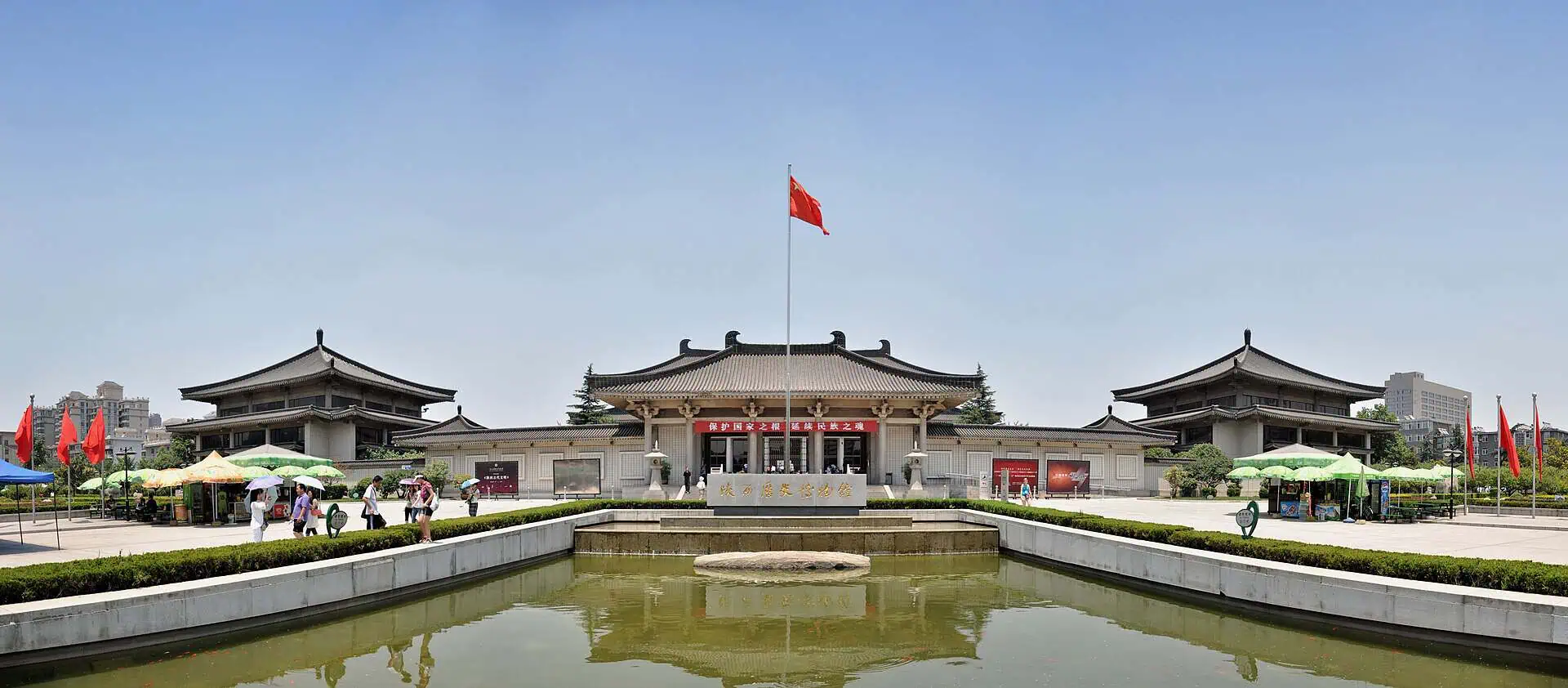
Shaanxi History Museum
Every layer of Xi'an's time stack under one roof — Zhou bronzes, Han gold and Tang treasure.
Learn more →
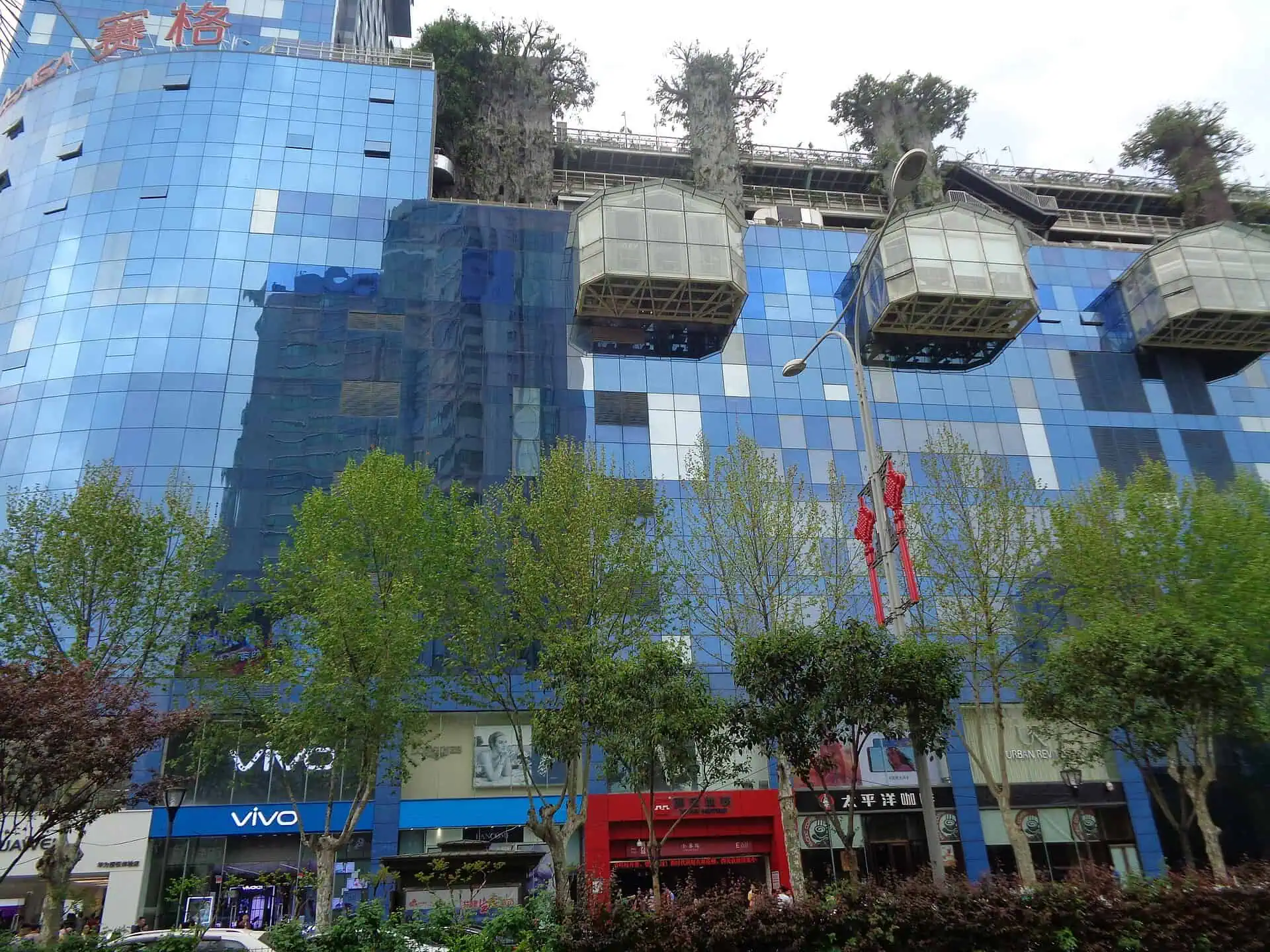
Saige International Shopping Center
A 50-meter escalator, an indoor waterfall and the busiest mall in western China — modern Xi'an's consumer engine under one roof.
Learn more →
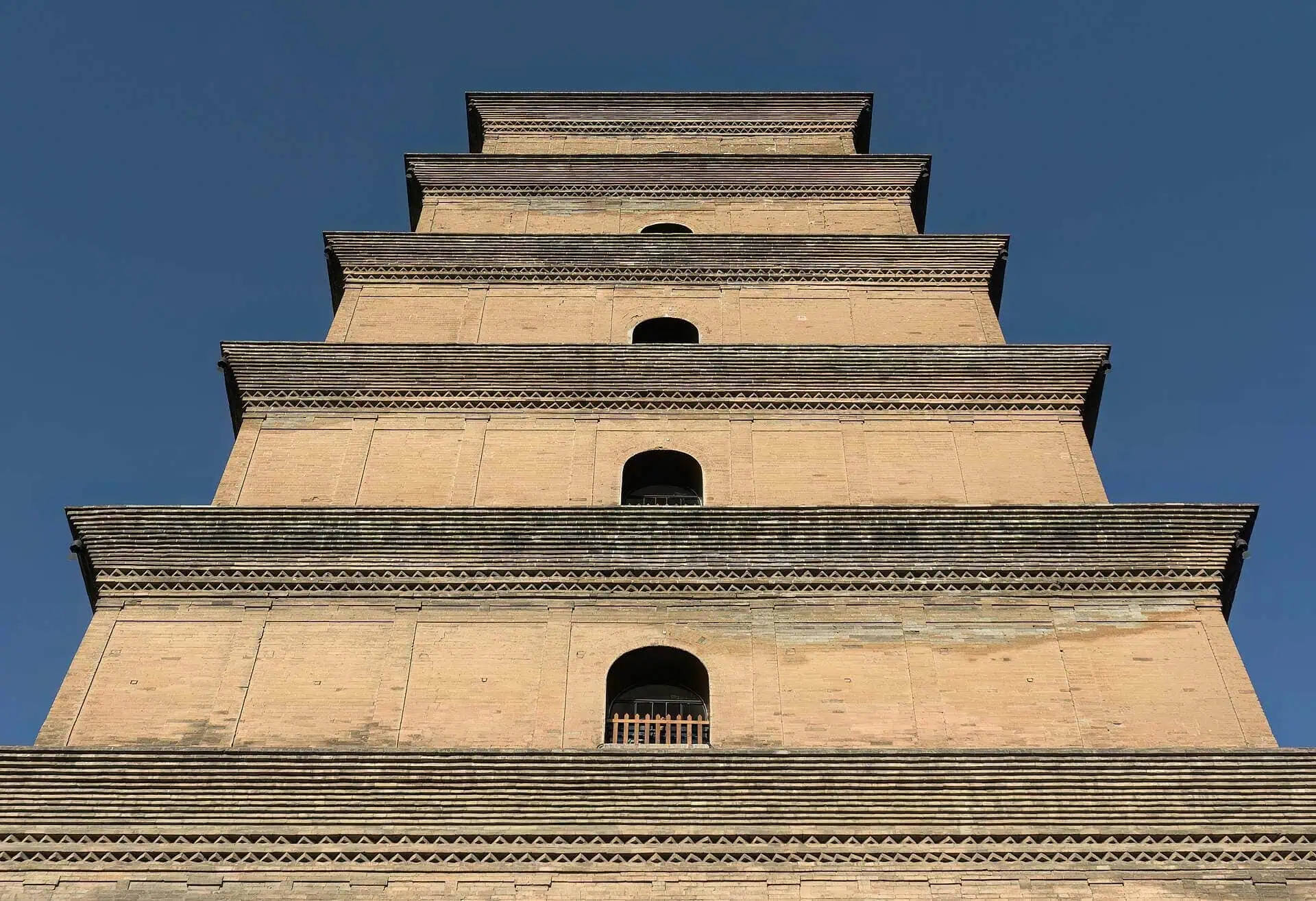
Big Wild Goose Pagoda
A Tang brick pagoda raised in 652 AD for a monk's 17-year journey to India — still Xi'an's defining landmark.
Learn more →
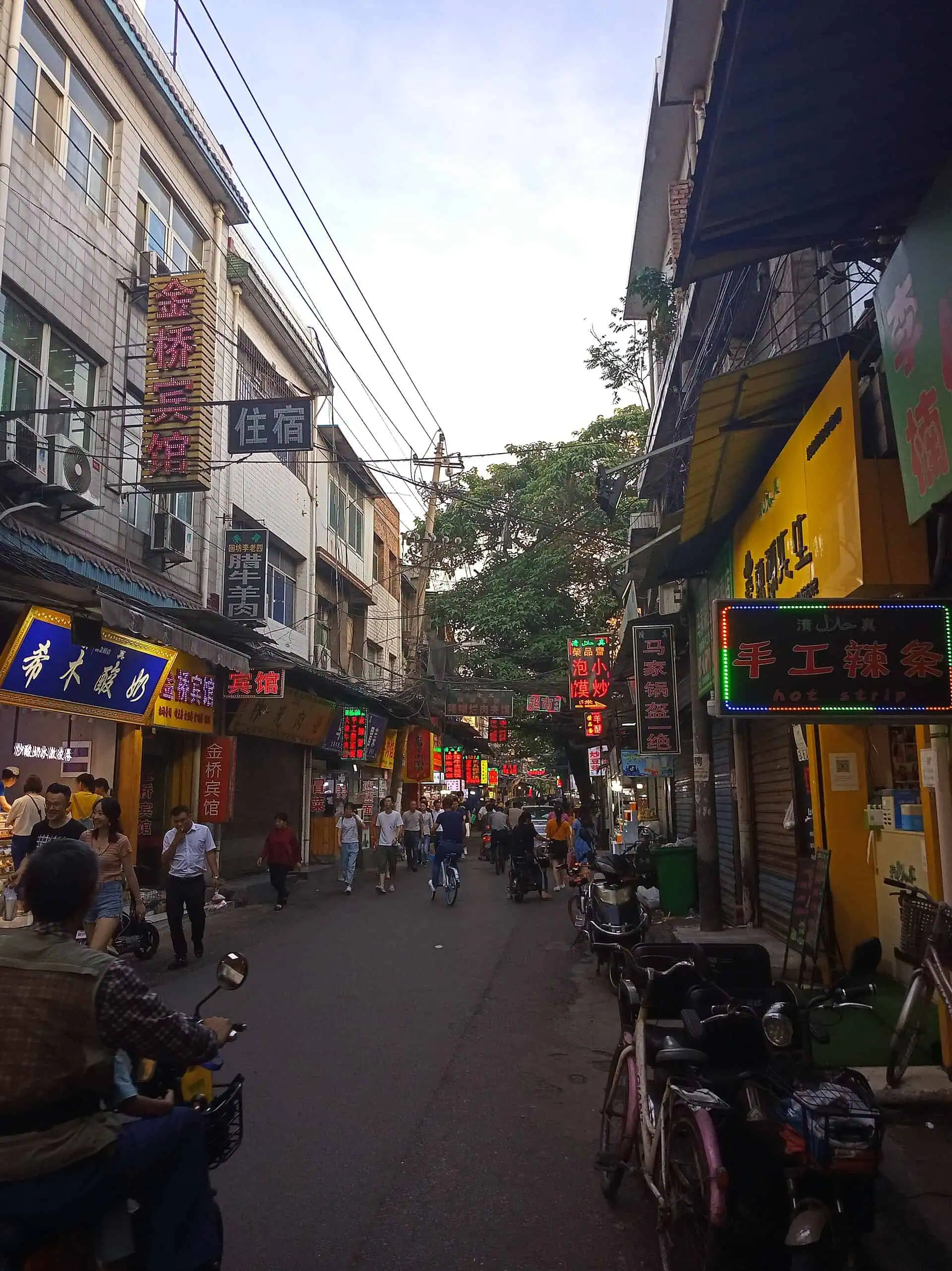
Sajinqiao Food Street
The food street Xi'an locals actually eat at — ten minutes' walk and a world away from the Muslim Quarter's tourist strip.
Learn more →
Xicang Market
Cricket sellers, pigeon fanciers and junk stalls in the shadow of a Ming granary — Xi'an's oldest running flea market, two mornings a week only.
Learn more →
Xiaonanmen Morning Market
Breakfast at the foot of a 600-year-old wall — the best hour in Xi'an is over by 9 a.m.
Learn more →
Keep exploring
Visas & entry: do you need one?
Probably less paperwork than you fear — and two of the doors now have their own deep-dive packages: the 30-day visa-free entry (~50 countries) and the 240-hour transit (55 countries, including the US). This page is the router: work out which door is yours, then read its package.
The 240-hour visa-free transit, explained
Ten days in China without a visa, if you're just passing through — including Americans. The rules, the traps, and how to run it through Xi'an.
The 30-day visa-free entry: who gets in free
Around 50 countries can now enter China for up to 30 days with no visa at all — no transit logic, no onward-ticket games. Most of Europe, the UK, Canada, Australia and more. The US is not on the list.