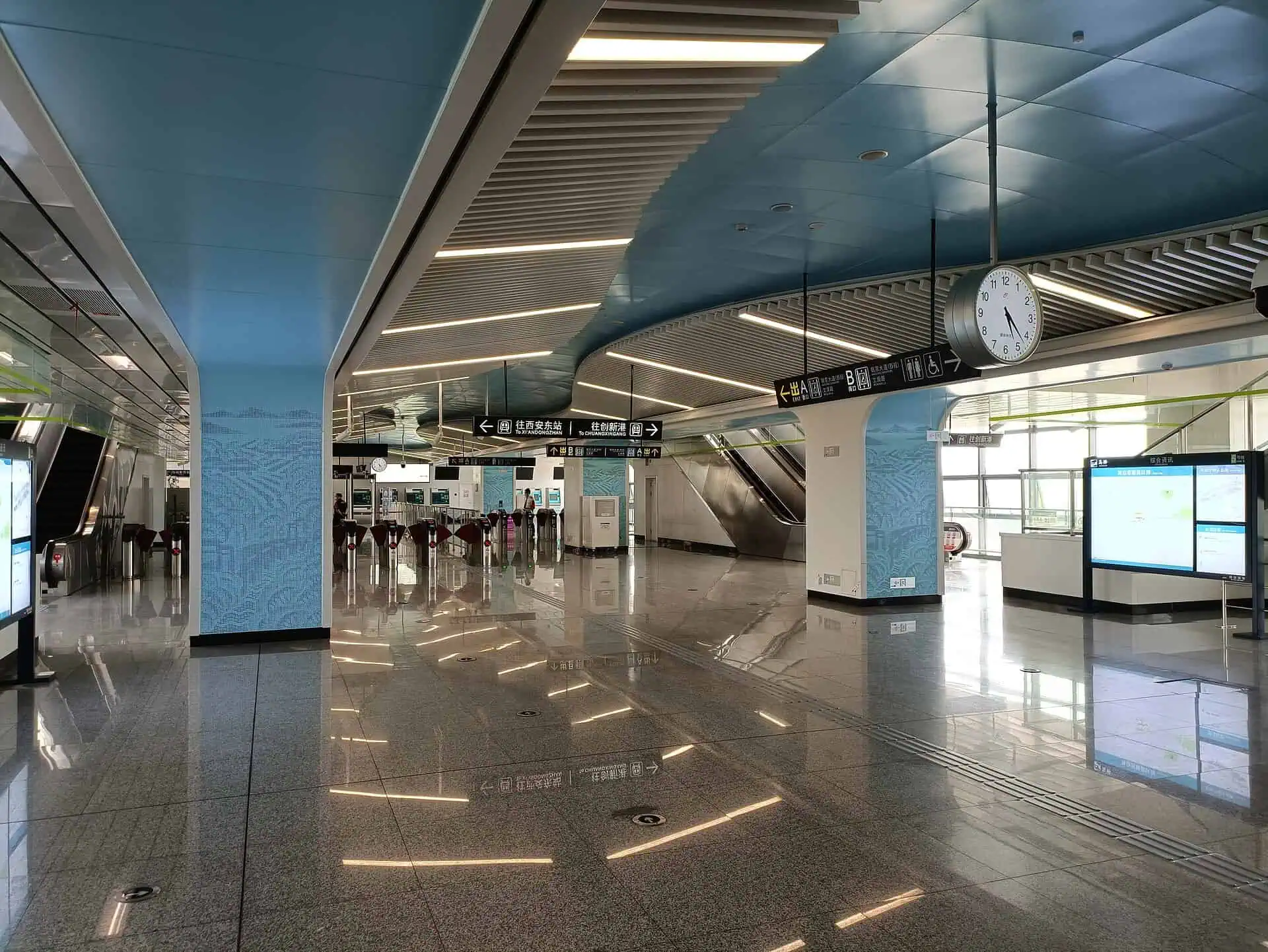
Dahua 1935
Dàhuá 1935
A 1935 cotton mill reborn as museums, graffiti walls and Xi'an's best-known livehouse — industrial heritage with a pulse.
Entry
Free
Hours
Mon–Sun · 9:00
Time needed
1–2 hours
Metro
Line 4 · Hanyuandian (含元殿) · C
Xi'an's flagship factory-turned-culture-district: the red-brick sheds of the 1935 Dahua Cotton Mill now hold a small industrial museum, cafés, design shops and a serious livehouse. It photographs beautifully and pairs naturally with the Daming Palace ruins next door. Be honest with yourself, though: outside show nights it's a quiet, half-filled creative park, not a must-see — come for the industrial texture and the evening energy, not for blockbuster content.
What you're looking at
Dahua 1935 (大华·1935, Dàhuá 1935) is the former Dahua Cotton Mill, built in 1935 as one of northwest China's first modern textile factories. The mill ran for over seventy years, took Japanese bombs during the war years, and anchored the working-class neighborhoods east of the railway before production finally wound down. In the 2010s the site was converted into a culture district — the usual Chinese formula of preserved sheds plus cafés, but done with more restraint than most.
The bones are the attraction: long sawtooth-roof weaving sheds, steel trusses, a factory chimney, machine bases left in the concrete. The Dahua Museum (大华博物馆) inside one of the old workshops tells the mill's story surprisingly well — original contracts, machine blueprints and workers' handwritten memoirs, not just plaques. Elsewhere you'll find graffiti walls (some riffing on Xi'an icons like roujiamo and the Terracotta Army), a small plaza with steel sculptures, and the Dahua 1935 Theatre / livehouse (西演LIVE·大华1935剧场), one of the city's main venues for touring bands.
It's the flip side of the Xi'an most visitors come for — modern Xi'an rather than Tang Xi'an — and it's the most photogenic industrial site in the city after Banpo Art Zone across town.
Visiting strategy
Pair it with Daming Palace. The district sits directly across Taihua South Road from the Daming Palace National Heritage Park — palace ruins in the afternoon, Dahua for dinner and a show in the evening is the obvious play. Together they fill the northern half of a day.
Timing matters. On an ordinary weekday afternoon, Dahua is quiet to the point of sleepy: half the shops are closed, the museum is the only real interior. Evenings and weekends bring the district to life, and livehouse nights give it an actual crowd. If there's a show on, come for it; check our nightlife guide for what the scene is like.
Photographers: late-afternoon light rakes across the brick and steel beautifully; the chimney plaza and the graffiti walls are the standard shots. See more spots in our photography guide.
How long: an hour covers a wander and the museum; two hours if you stay for coffee and a show.
Getting there
The district is on Taihua South Road (太华南路) in the Daming Palace area, northeast of the old city.
- Metro: Line 4 to Hanyuandian station (含元殿), exit C, then about 400 m south along Taihua South Road — under 5 minutes on foot. Daminggong station (大明宫), one stop south, also works if you're coming from the palace side.
- Taxi/DiDi: ¥20–25 from the Bell Tower; show the driver 太华南路251号 大华1935.
- Bus: multiple lines stop at the "大华1935" stop right outside, but the metro is simpler.
Practical notes
- Cost: the district and museum are free; livehouse shows are ticketed (typically ¥100–300 depending on the act).
- Museum closed Mondays (except public holidays) — plan around it if the museum is your main reason to come.
- Food and drink: a strip of cafés, restaurants and bars inside the district; expect about ¥40 for a coffee-and-cake stop. More local eating options cluster around the palace park's south gate.
- Who should skip it: if your trip is short and all about dynasties, this won't beat another hour at the City Wall. It's for repeat visitors, industrial-design fans, photographers and gig-goers.
- Facilities: clean toilets, seating, and A/C in the museum — a decent rainy-afternoon fallback.
Questions, answered
Is Dahua 1935 worth visiting?
If you're already visiting Daming Palace across the road, yes — it's free, photogenic and the museum is better than expected. As a standalone trip it's only worth it on show nights or if industrial heritage is your thing.
What is Dahua 1935 in Xi'an?
A 1935 cotton mill — one of northwest China's earliest modern textile factories — converted into a culture district with an industrial museum, cafés, graffiti art and the Dahua 1935 livehouse. Think a smaller, calmer factory-art complex rather than a full tourist attraction.
Do you need tickets for Dahua 1935?
No — the district and the Dahua Museum are free, no reservation needed. Only livehouse concerts and special events are ticketed, usually ¥100–300.
How do I get to Dahua 1935 by metro?
Take Line 4 to Hanyuandian station (含元殿), exit C, and walk about 400 meters south along Taihua South Road. Daminggong station is the alternative if you're coming from the Daming Palace park.
Keep exploring
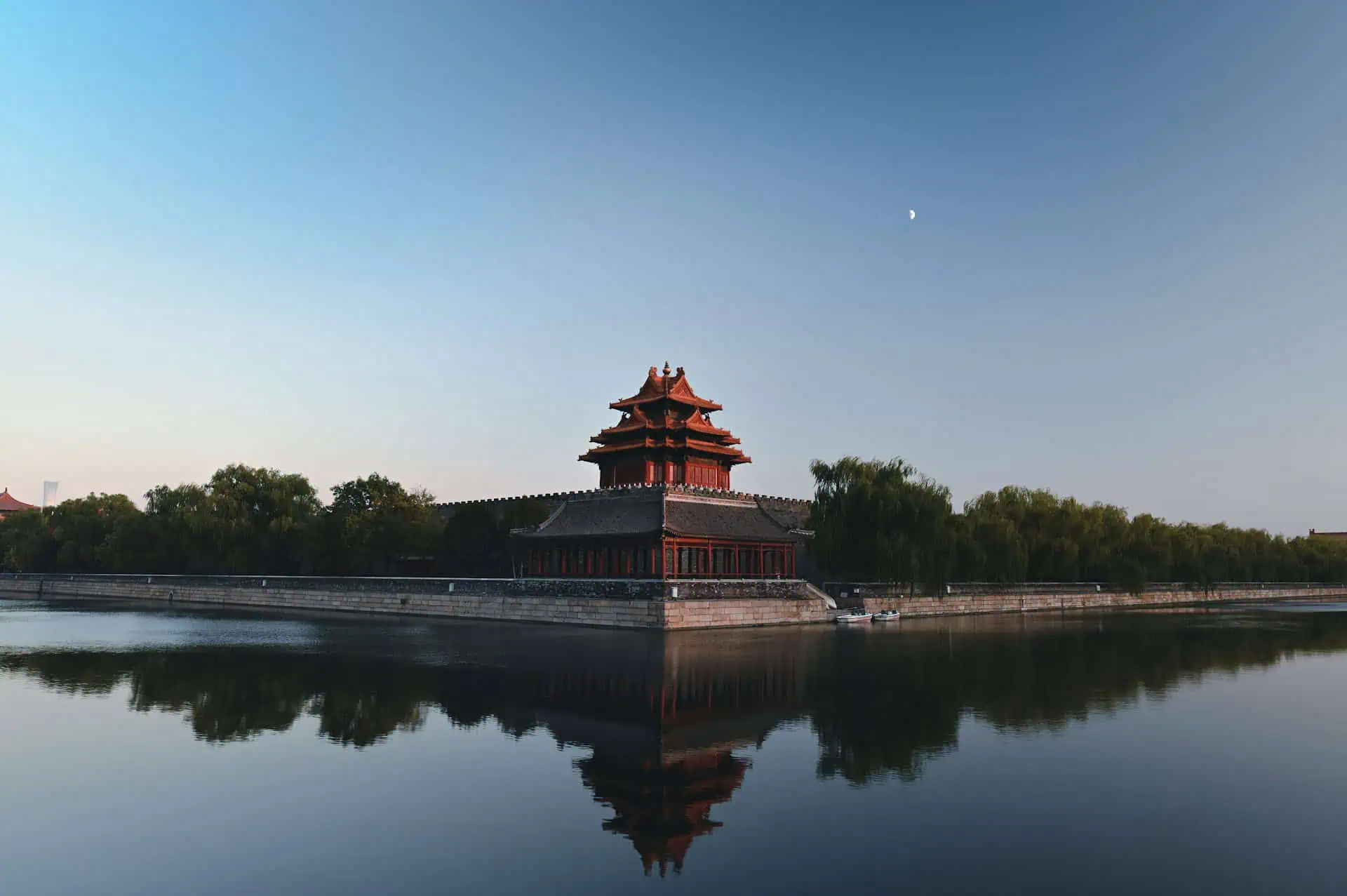
Daming Palace National Heritage Park
The Tang ruled an empire from here starting in 634 AD — a palace 4.5 times the Forbidden City, now foundations in a very large park.
Learn more →
Xi'an North Railway Station (high-speed hub)
Where every bullet train arrives — Asia-scale, but the route through it is fixed.
Learn more →
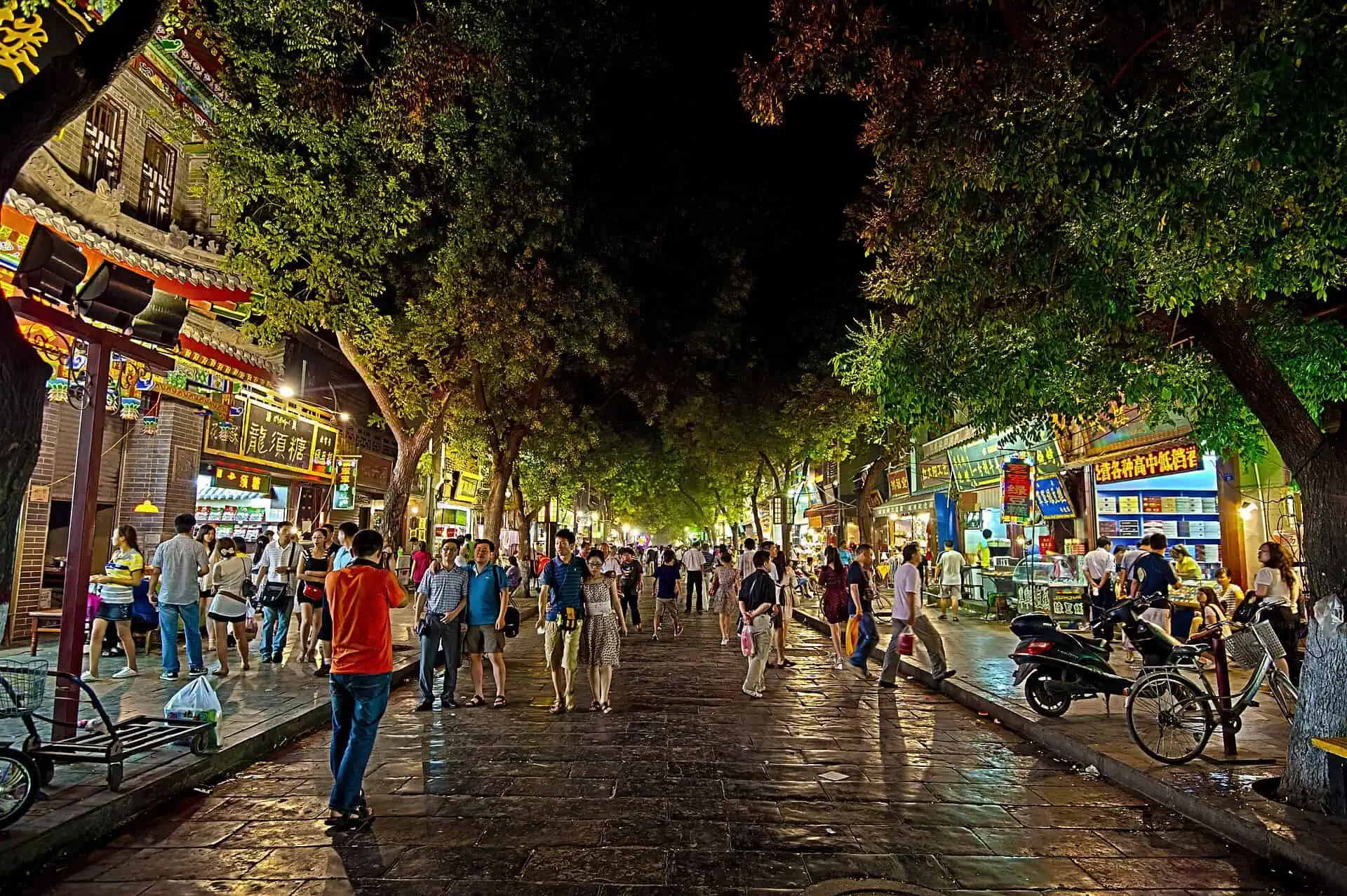
Muslim Quarter
Feeding Xi'an since the 700s — the loudest, smokiest, best-smelling streets of its Hui community.
Learn more →
Related stories
Nightlife & craft beer in Xi'an
Xi'an is not Shanghai — nobody flies here for the clubs. But the city has bar streets with real history clustered around the South Gate, a small but genuine craft beer scene, a working livehouse circuit, and KTV as a full-contact local pastime. Here's what's actually worth your evening, what it costs, and what to skip.