What to pack for Xi'an: a consolidated, season-by-season checklist
Xi'an punishes over-packers and rewards layers. The city runs from furnace-hot summers (35°C+) to cold, dry winters (lows around −5°C), with spring and autumn as the mild sweet spot — so the clothing list changes entirely with the month. The non-negotiables barely change at all: pocket tissues for paperless toilets, a mask for winter air, a refillable bottle, and your passport, which doubles as your ticket at the big sights. Here's the whole list in one place.
10 min read · 7 sections
The short version
- Dress for the season, in layers: T-shirts plus a jacket in spring and autumn, breathable sun-covering clothes in summer, a real down jacket and warm shoes in winter.
- Carry a KN95 or FFP2 mask from November to February — winter air in the Wei valley often spikes above AQI 150; on bad days, swap outdoor plans for museums.
- Mains power is 220 V / 50 Hz. A US-style Type A two-flat-pin plug fits most sockets, and a Type C round-pin plug usually does too. Check every charger is rated 100–240 V.
- Pocket tissues and hand sanitizer are essential — many public toilets, especially at older sights, don't supply paper.
- Bring a refillable bottle, but don't drink the tap water; fill up from the hotel kettle or dispenser, or buy bottled for a few yuan.
- Your passport is your ticket at real-name sights like the Terracotta Army and the major museums — carry it every sightseeing day.
- Wear broken-in walking shoes for the City Wall and Terracotta Army, and pack a modest layer for temple and mosque visits.
- Don't overpack: almost anything you forget (umbrella, slippers, mask, light fleece) is cheap and easy to buy in Xi'an.
The short answer
Pack light, pack in layers, and don't treat the list as a mission — Xi'an is a city of 13 million with a convenience store on every corner, so the cost of forgetting something is usually a 10-yuan fix, not a ruined day. The two things genuinely worth getting right before you fly are your seasonal clothing (the temperature swing across the year is large) and the small essentials kit that Chinese travel specifically asks for: tissues, a mask, a refillable bottle, and your passport.
Everything below pulls the scattered packing advice from across the site into one checklist. Start with the season you're travelling in, layer the essentials on top, and you're done. For the weather context behind each season, see best time to visit; for the health side of the AQI and water advice, see health & safety.
Clothing, by season
Xi'an's temperature range across the year is extreme — January lows average around −5°C, July highs sit at 32°C and routinely clear 35°C — so the clothing list really does change with the month. A rough guide:
| Season | Typical weather | What to pack |
|---|---|---|
| Spring (Mar–May) | 4–26°C across the season; March can be windy and dusty | T-shirts, a light fleece or jacket, one warm layer for cold March mornings, sunglasses, a mask for dust days |
| Summer (Jun–Aug) | 32°C days, 35°C+ common, strong sun; July muggy and wet | Breathable, loose clothing that covers shoulders for sun and temples; sun hat; sunscreen; refillable bottle; a light rain shell for July |
| Autumn (Sep–Nov) | 16–25°C in September, cooling to 3–12°C by November; September rainy | Layers — short sleeves under a jacket; an umbrella all month in September; a warm layer by November |
| Winter (Dec–Feb) | highs ~5–8°C, lows ~−5°C; very dry, occasional haze | Down jacket, warm mid-layers, gloves, scarf, warm shoes; a KN95 mask for bad-air days |
Two patterns to plan around. First, daily temperature swings run about 10°C year-round, so spring and autumn mornings are noticeably colder than the daytime average — always carry a layer you can shed. Second, indoor heating in winter is fierce and summer air-conditioning is aggressive; dressing in layers you can peel off indoors stops the constant sweat-and-chill cycle. See best time to visit for the month-by-month detail.
The AQI kit: mask and a museum plan
Xi'an sits in the Wei River valley, and from roughly November to February stagnant air can push the AQI into the 150–250 range for days at a time. Spring occasionally adds blowing dust. It's a reason to pack, not to cancel — handled properly, winter is one of the city's best seasons.
- Pack a handful of KN95 or FFP2 masks. From AQI 150 upward (the "unhealthy" band) a proper mask makes a real difference for everyone, and an essential one for children, older travelers and anyone asthmatic. Bring them from home or buy cheaply at any Xi'an pharmacy (药店, yàodiàn — look for the green cross).
- Have an indoor swap ready. When the air is bad, move the day indoors rather than gritting through it on the City Wall. Our indoor rainy-day itinerary doubles as the bad-air itinerary — the Forest of Steles, the Shaanxi History Museum and the Great Mosque are all largely under cover.
- Check the AQI each morning. IQAir is the standard app; budget a data connection for it by sorting your internet, eSIM and VPN before you arrive.
Full health context, including the AQI bands and what counts as sensitive, is in health & safety.
Electronics: plugs, power and data
China's mains supply is 220 V at 50 Hz — not the 110 V of North America. That matters for what you plug in, not just the shape of the plug.
- Plug shape. The official standard (GB 1002-2024) is Type A (two flat parallel pins, US/Japan style) and Type I (three flat pins, Australia/China style, the two live pins angled). A Type A plug fits almost every socket in the country; a Type I plug fits modern sockets; and a Type C Europlug (two round pins) slides into most wall outlets too. If your devices use any of those, you likely need no adapter at all. UK Type G, Indian, South African and other plug shapes do need one — a basic universal adapter is enough.
- Voltage. Read the small print on every charger before you plug it in. Phone and laptop chargers are almost always rated 100–240 V, 50/60 Hz and work fine. Older hair appliances, curling irons or 110 V-only shavers will be damaged on 220 V — leave them, or bring a dual-voltage model. USB devices are safe, since the adapter handles the conversion.
- Power bank. A long Terracotta Army morning or an afternoon on the wall will drain your phone faster than the day allows, especially if you're navigating, translating and photographing at once. Carry a power bank you trust.
- Data and apps. Sort your connectivity before you land — see the internet, eSIM and VPN guide. A working data connection is what makes the essential apps (maps, payments, translation, AQI) usable, and they're what make Xi'an navigable.
The day bag: tissues, water, passport
The handful of small things that matter every single day in China, none of them obvious from a Western packing list:
- Pocket tissues and hand sanitizer. This is the big one many travelers learn the hard way. Public toilets in China — especially at older sights, stations and small restaurants — frequently do not supply toilet paper. Carry a pocket pack of tissues and a small bottle of sanitizer on every outing. Squat toilets (蹲厕, dūncè) are still common at the same older venues (hotels, malls, museums and the metro use Western seated toilets), so bring what you need.
- A refillable bottle. Tap water in Xi'an isn't potable — locals boil it. A refillable bottle makes sense, filled from your hotel room's kettle or hot-water dispenser, or topped up with bottled water that costs a few yuan from any convenience store. In summer, carry more water than you think you'll need; dehydration creeps up on the exposed brick of the City Wall.
- Your passport. China operates real-name (实名) ticketing at major attractions — your passport number is tied to the ticket, and the passport itself is checked at the gate. At the Terracotta Army and the big museums, your passport is your ticket, so carry it every sightseeing day. Keep a phone photo of the photo page as backup.
- Payment. WeChat Pay and Alipay dominate; set them up before you arrive using our money and payments guide. A small float of cash yuan is a useful backup for stalls and tips, not a necessity.
- A small umbrella or rain shell from June through September, and especially in July and September — the two rainiest months.
Feet and temples
Shoes are the one piece of gear that genuinely affects the trip. You will walk far more than the trip plans suggest. The Terracotta Army is an enormous site — three pit halls plus the museum, easily 10,000 steps — and the City Wall is a 14-kilometre loop if you walk it, or a bracing bike ride if you rent. Worn stone, polished brick and uneven paving are the norm. Bring your most comfortable, broken-in walking shoes; do not break in new shoes on this trip. In summer, shoes that breathe; in winter, something warm with grip for the occasional icy patch.
Pack one modest outfit for religious sites. Temples and the Great Mosque ask for covered shoulders and knees — shorts, short skirts and tank tops will get you turned away or quietly glared at. A light long-sleeved shirt and long trousers or a long skirt in your day bag covers it. Women are not required to cover their hair in the Great Mosque courtyards. Our etiquette and customs guide has the broader do's and don'ts.
What you can leave at home
The honest version: less than you think. Xi'an is a major Chinese city and you can buy almost anything cheaply and quickly — umbrella, slippers, toiletries, an extra mask, a light fleece, even a cheap power bank. Overpacking is the more common mistake, especially in summer when you'll be carrying everything in the heat.
What is genuinely worth bringing from home rather than sourcing in China:
- Prescription medications in their original packaging, with a copy of the prescription and enough for the whole trip — some common Western drugs (including certain codeine- or pseudoephedrine-containing products) are controlled or unavailable in China.
- A KN95 or FFP2 mask if you're travelling in winter and want a known brand, though pharmacies stock them.
- Your own universal adapter if your devices use non-Chinese plugs.
- Comfortable, broken-in shoes in your size — harder to replace on short notice than a t-shirt.
Everything else, buy there if you need it. For the money side of small purchases, see trip cost; to fold this list into a plan, the 3-day itinerary is a good scaffold.
Questions, answered
What should I pack for Xi'an?
Dress in layers for the season — light layers and a jacket in spring (March–May) and autumn (September–November), breathable sun-protective clothing in summer, and a real down jacket, gloves and warm shoes in winter. On top of clothing, carry the China essentials every day: pocket tissues and hand sanitizer (many public toilets don't supply paper), a refillable bottle (don't drink the tap water), a KN95 mask in winter, your passport, and a power bank.
Do I need a power adapter for China?
Probably not. China runs 220 V at 50 Hz, and the official plug types are A (two flat pins) and I (three flat pins). A US-style Type A plug fits almost every socket, and a European Type C round-pin plug usually fits too. UK Type G and other plug shapes need an adapter. The key check is voltage: confirm every charger is rated 100–240 V before plugging it in, since 110 V-only devices will be damaged on 220 V.
Can I drink the tap water in Xi'an?
No. Municipal tap water isn't potable — locals boil it. Fill a refillable bottle from your hotel room kettle or hot-water dispenser, or buy bottled water for a few yuan at any convenience store. Carry more water than you think you need in summer, especially on the exposed City Wall.
What should I wear when visiting temples and the Great Mosque?
Cover your shoulders and knees — a light long-sleeved shirt and long trousers or a long skirt, kept in your day bag, covers it. Shorts, short skirts and tank tops will get you turned away. Women aren't required to cover their hair in the Great Mosque courtyards. It's an active place of worship, so dress respectfully.
What shoes are best for the Terracotta Army and City Wall?
Your most comfortable, already-broken-in walking shoes. The Terracotta Army is a very large site with three pit halls and a museum, and the City Wall is a 14-kilometre loop with uneven, polished brick underfoot. Don't break in new shoes on this trip — blisters will cost you more days than any other packing mistake.
Why do I need to carry my passport every day?
China uses real-name ticketing at major attractions — your passport number is tied to the ticket and the passport is checked at the gate. At the Terracotta Army and the big museums your passport effectively is your ticket, so carry it on every sightseeing day. Keep a photo of the photo page on your phone as backup.
Can I buy things I forget in Xi'an?
Yes — almost anything. Umbrellas, slippers, toiletries, light layers, masks and power banks are all cheap and easy to find in a city of 13 million. Bring from home only what's hard to replace: prescription medications in original packaging (some Western drugs are controlled or unavailable in China), a known-brand mask if you want one for winter, your adapter, and broken-in shoes in your size.
Places in this story
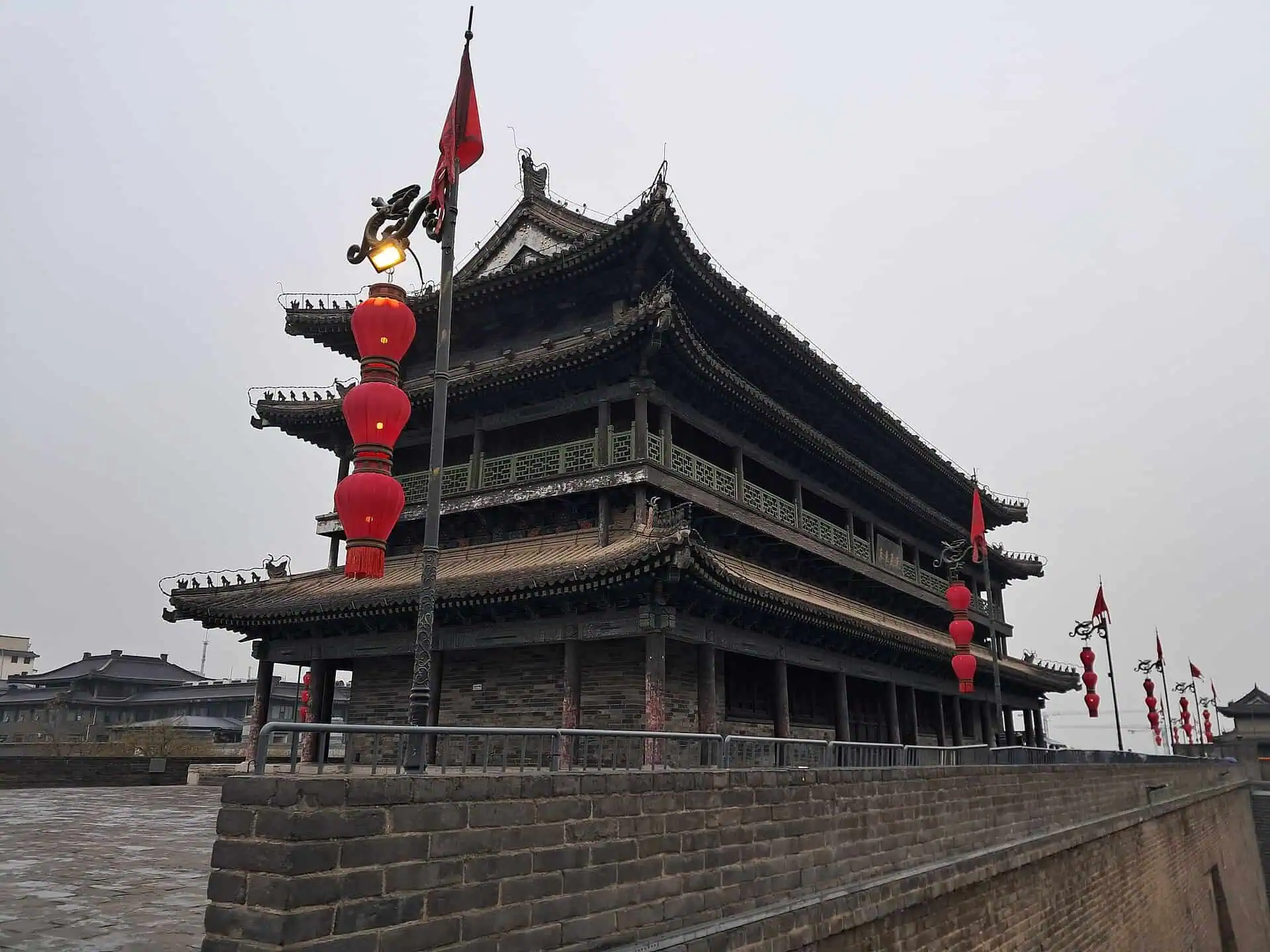
Xi'an City Wall
A 14-kilometer Ming dynasty rectangle you can cycle on top of — 650 years old and still the city's favorite commute.
Learn more →
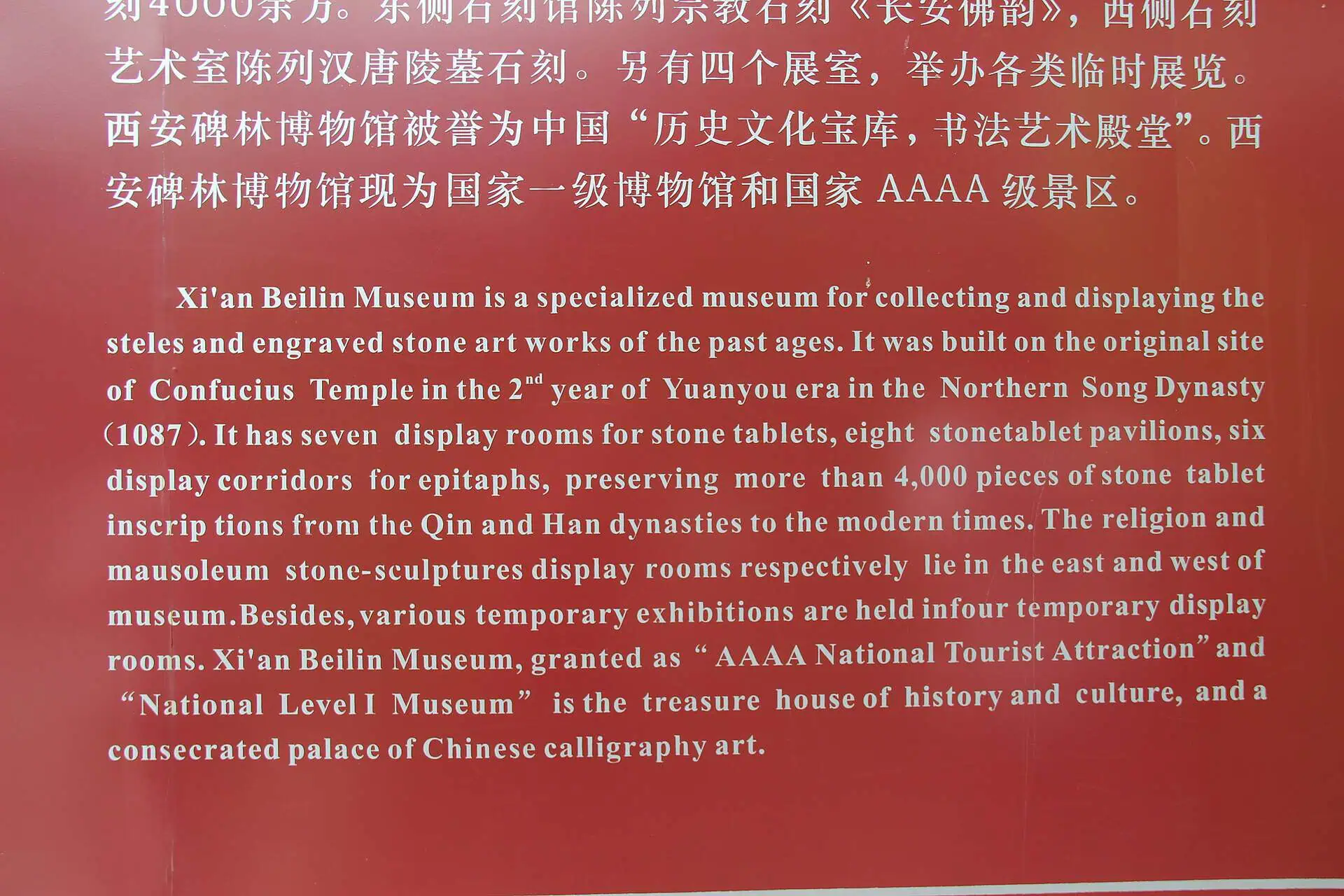
Forest of Steles (Beilin Museum)
Stone books since 1087 — nearly 3,000 steles, and the home of Chinese calligraphy itself.
Learn more →
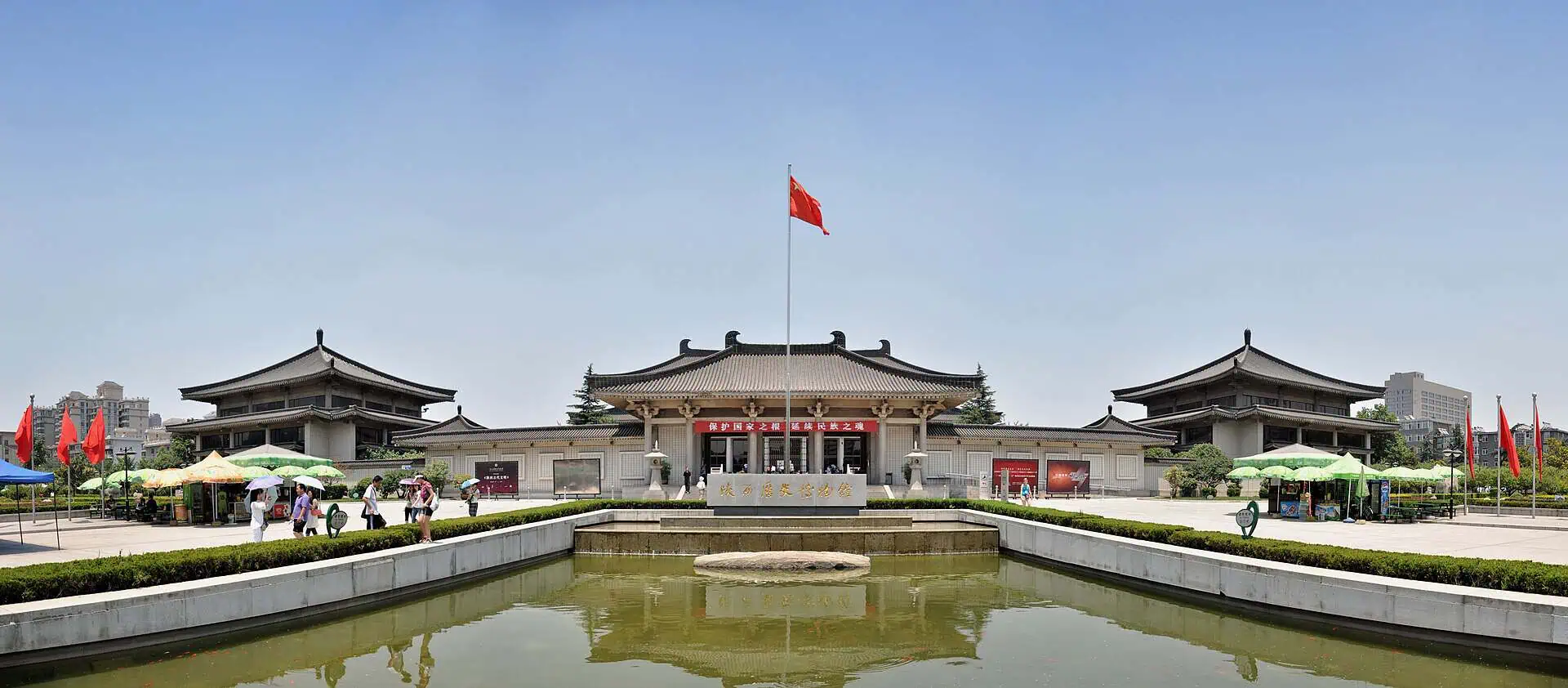
Shaanxi History Museum
Every layer of Xi'an's time stack under one roof — Zhou bronzes, Han gold and Tang treasure.
Learn more →

Great Mosque of Xi'an
A mosque founded under the Tang in 742 AD, dressed as a Chinese garden temple.
Learn more →
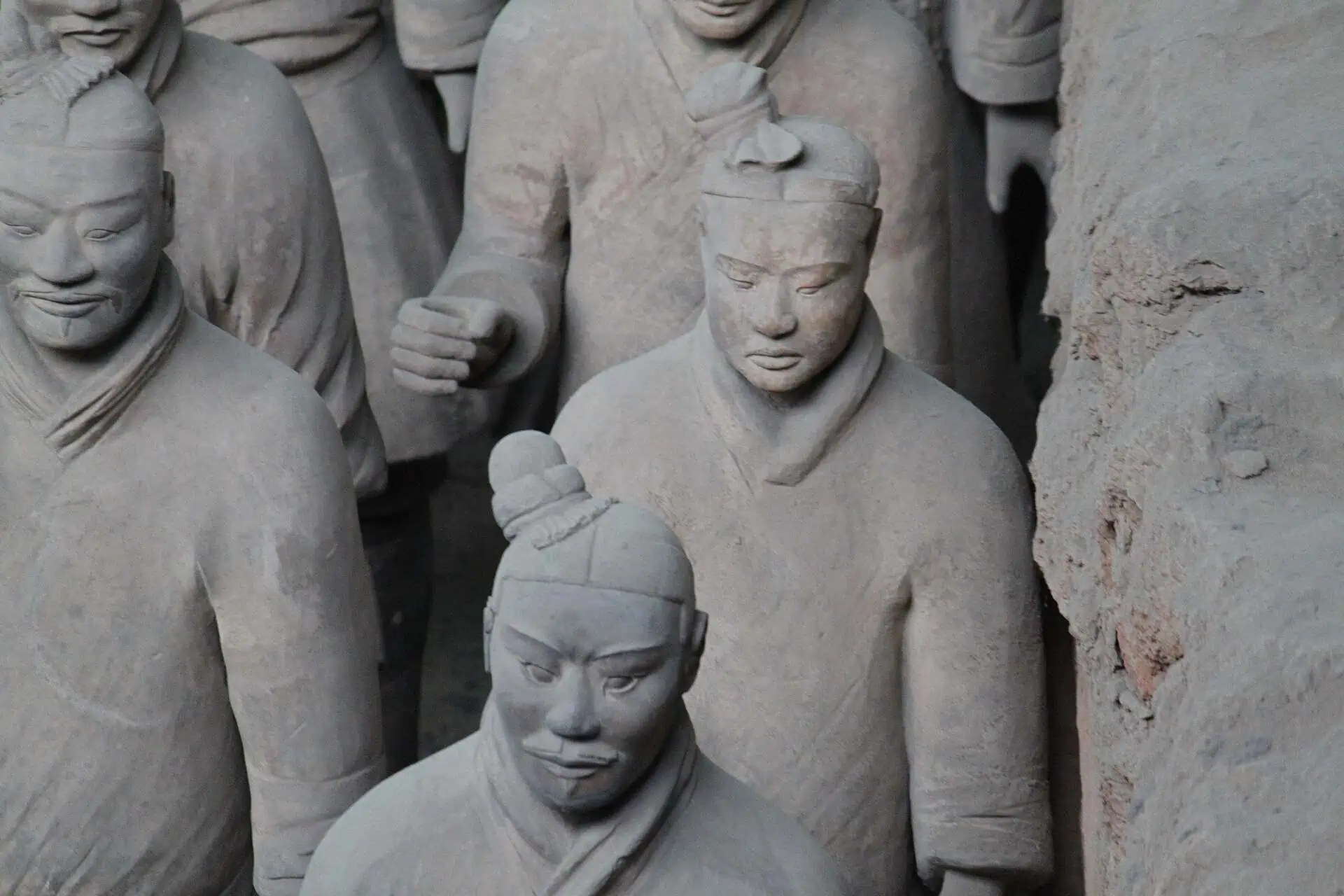
Terracotta Army
8,000 life-sized soldiers buried for China's First Emperor — and still on guard 2,200 years later.
Learn more →
Keep exploring
Visas & entry: do you need one?
Probably less paperwork than you fear — and two of the doors now have their own deep-dive packages: the 30-day visa-free entry (~50 countries) and the 240-hour transit (55 countries, including the US). This page is the router: work out which door is yours, then read its package.
The 240-hour visa-free transit, explained
Ten days in China without a visa, if you're just passing through — including Americans. The rules, the traps, and how to run it through Xi'an.
The 30-day visa-free entry: who gets in free
Around 50 countries can now enter China for up to 30 days with no visa at all — no transit logic, no onward-ticket games. Most of Europe, the UK, Canada, Australia and more. The US is not on the list.