Accessibility in Xi'an: an honest audit
Xi'an is a 3,000-year-old city running on modern infrastructure, and accessibility splits exactly along that line: the metro and the big modern museums are genuinely step-free, while anything involving a 600-year-old gate, tower or pagoda usually means stairs. Here's what works, what doesn't, and what to confirm before you fly.
7 min read · 7 sections
The short version
- Genuinely step-free: Shaanxi History Museum, the Terracotta Army's main halls, the metro, and the Ever-Bright City pedestrian zone.
- Hard: the City Wall gates (mostly stairs — Hanguang Gate has a lift, confirm it's running), Bell and Drum Towers, and pagoda climbs.
- Free wheelchair loans at the Shaanxi History Museum and the Terracotta Army visitor centers — bring your passport as ID.
- International-chain hotels are the reliable choice for genuinely accessible rooms; confirm details by email before booking.
- English audio guides at the major museums; little Braille signage anywhere.
- Email attractions and hotels before you go — staff are willing, but advance notice in writing gets much better results.
The honest picture
China's accessibility build-out is real but young. Anything built in the last twenty years — the metro, the Shaanxi History Museum, the Terracotta Army's exhibition halls, the Qujiang district — was designed with lifts, ramps and accessible toilets. Anything old — the City Wall's gates, the Bell and Drum Towers, the pagodas, temple thresholds — predates the concept, and retrofitting is partial at best.
Two compensating factors are worth stating plainly. First, staff at Chinese attractions are generally eager helpers — lifting wheelchairs up short staircases is common practice, though it requires trusting strangers with your safety, which many travelers reasonably decline. Second, distances and surfaces are manageable: Xi'an's core is flat, and the hardest barriers are specific staircases, not the city fabric. Plan sight by sight, and most of the itinerary survives. Our 3-day itinerary notes which stops are step-free.
What works well
Shaanxi History Museum — the benchmark. Step-free entrances, accessible and priority passages (useful on crowded days), lifts between floors, accessible toilets, and free wheelchair loans at the service desk. Reserve your (free) ticket in advance and bring your passport.
The Terracotta Army — the pit halls are modern hangars with ramps and lifts, and the viewing galleries are level. Wheelchairs are available free at the visitor center, and electric shuttle vehicles run between the entrance area and the halls, which trims the longest walks. Expect some crowds pressing at railings; arriving at opening time gives you unobstructed front-row viewing.
The metro — Xi'an's system is modern, and stations are built with elevators from street to platform, tactile paving, and wide gates that fit wheelchairs and strollers. Look for the 无障碍电梯 (wúzhàng'ài diàntī, barrier-free lift) signs; staff are used to assisting. Boarding gaps are small but exist — mind the platform edge markings.
Grand Tang Ever-Bright City — a flat, smooth, car-free pedestrian avenue nearly a kilometer long, with step-free access from the surrounding streets and accessible toilets in the adjoining malls. It's at its best after dark and is one of the easiest "big sight" evenings in China.
Chang'an Twelve Hours and malls — the indoor Chang'an Twelve Hours block and the big shopping centers are mall-standard: lifts, accessible toilets, level floors, air conditioning.
What's hard
The City Wall. The four main gates — South, East, North, West — are reached by stone stairs, and there is no way onto the ramparts from them without climbing. The exception is Hanguang Gate (含光门, Hánguāng Mén), one gate west of the South Gate, which has a wheelchair-accessible elevator — but lifts here go in and out of service, so confirm with your hotel on the day before promising it to your party. Up top, the surface is wide and roughly level but bumpy Ming-dynasty brick, and the full loop is 14 km; electric sightseeing carts run on the ramparts if you want the view without the push.
Bell Tower and Drum Tower. Both are staircase buildings — the Bell Tower additionally sits in a traffic roundabout reached by an underpass with stairs. Admire both from street level; the illuminated night view is the best one anyway.
Pagoda climbs. Big Wild Goose Pagoda and the Small Wild Goose Pagoda are steep, narrow, unrailed-in-spirit internal staircases with no lifts. The surrounding temple grounds, however, are largely flat and pleasant — the pagodas work fine as "grounds yes, climb no" visits.
Older temples and markets. Threshold steps at hall doorways, uneven flagstones, and — in the Muslim Quarter — dense evening crowds over bumpy stone lanes. Go in the late afternoon lull rather than at night if crowd pressure is a concern.
Wheelchair rental and mobility gear
Free manual-wheelchair loans are available at the two places you'll most want them: the Shaanxi History Museum service desk and the Terracotta Army visitor center. Your passport serves as ID/deposit — another reason it's always in your day bag. Loans are first-come, and stock isn't huge; arrive early on busy days.
Beyond that, provision thins out fast. Mobility-scooter rental is not a consumer service in Xi'an; if you need powered mobility, bring your own or arrange it through your hotel concierge well in advance. Carry whatever repair kit and charger adapters your equipment needs — finding a specific part in-country is an errand you don't want. Taxis and DiDi drivers will generally fold and stow a manual chair without fuss; our getting around guide covers booking accessible-friendly rides.
Hotels
The reliable pattern: international chains carry genuine accessible rooms — roll-in showers, grab rails, widened doors — and local hotels, even good ones, use "accessible" loosely. Chains cluster in two areas: around Qujiang near the Big Wild Goose Pagoda (handy for Ever-Bright City), and inside or just outside the City Wall near the Bell Tower. Our where to stay guide covers the neighborhoods.
Whatever you book, confirm in writing before you pay: email the hotel for the accessible room's door width, bathroom layout and photos, and ask them to note the booking. "Accessible" on a booking platform filter is a claim, not a guarantee — the email thread is your evidence. Also ask about the route from street to lobby; a surprising number of otherwise good hotels have three steps at the front door.
Vision, hearing and sensory notes
Visual impairment: tactile paving exists at metro stations and along major pedestrian routes, but it's inconsistent and often obstructed by parked scooters. Braille signage is rare, even at major museums. The Shaanxi History Museum and Terracotta Army both offer English audio guides, and museum object captions at the big venues are bilingual — a companion reading captions aloud gets the full experience.
Hearing impairment: English audio guides are available at the major museums; there is no reliable sign-language interpretation, so pre-booking a written-materials or app-based guide is the safer plan. Announcements on the metro are bilingual and displayed on screens.
Sensory load: Ever-Bright City at night is spectacular and also loud, bright and densely packed — sensory-sensitive travelers should go on a weekday evening near opening rather than on weekends. The Terracotta Army's halls are echoing and crowded between 10:00 and 14:30; the 8:30 opening slot is calmer in every sense.
Before you go: contact and confirm
The single highest-value step is advance contact. Email each attraction (or have your hotel call) to confirm the current status of lifts, wheelchair loans and any step-free entrance — these details change with renovations, and websites lag reality. Get your hotel to write your key needs in Chinese on a card: "I use a wheelchair and need step-free access" (我需要无障碍通道, wǒ xūyào wúzhàng'ài tōngdào) and similar sentences do more work than any phrase app in the moment.
Practical wrap-up:
- Carry your passport — it's your ticket and your ID for equipment loans.
- Travel insurance that covers mobility equipment — check the small print on chairs and scooters.
- Build slack into the schedule. Step-free routes in Xi'an sometimes mean the long way round; the sights reward the extra twenty minutes.
- Report and ask. If something on this page has changed, tell us — accessibility details date faster than anything else we publish.
Questions, answered
Is Xi'an wheelchair accessible?
Partially, and predictably. The metro, Shaanxi History Museum, the Terracotta Army halls and the Ever-Bright City pedestrian zone are genuinely step-free. Historic structures — City Wall gates, the Bell and Drum Towers, pagoda climbs — are mostly stairs. With sight-by-sight planning, most of a standard Xi'an itinerary works.
Can I rent a wheelchair at the Terracotta Army?
Yes — free manual wheelchairs are loaned at the visitor center, with your passport as ID. The pit halls have ramps, lifts and level viewing galleries, and electric shuttle vehicles cut the longest walks. Stock is limited, so arrive near opening on busy days.
Which gate of the Xi'an City Wall has a lift?
Hanguang Gate (含光门), one gate west of the South Gate, has a wheelchair-accessible elevator to the ramparts; the four main gates are stairs only. Lifts go in and out of service — have your hotel confirm it's operating on the day. Up top, the brick surface is wide but bumpy, and electric sightseeing carts run the loop.
Does the Xi'an metro have elevators?
Yes. Stations are modern and built with barrier-free elevators from street to platform, tactile paving and wide gates — look for the 无障碍电梯 signs. It's the most accessible way to cross the city; staff will assist if asked.
Are there accessible hotel rooms in Xi'an?
Yes, most reliably at international chains around Qujiang (near the Big Wild Goose Pagoda) and near the Bell Tower. Always email the hotel before booking to confirm the accessible room's layout in writing — platform 'accessible' filters are not a guarantee — and ask about steps at the entrance.
Places in this story
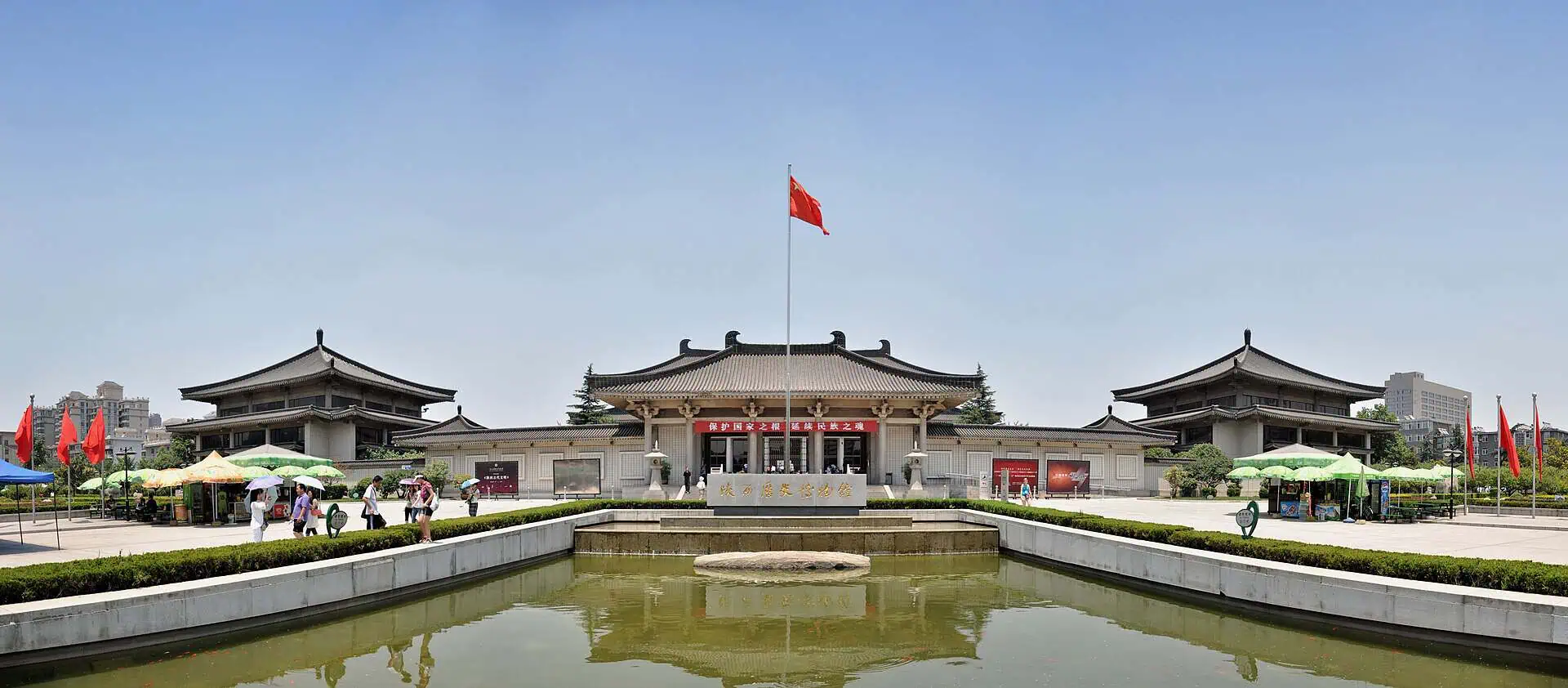
Shaanxi History Museum
Every layer of Xi'an's time stack under one roof — Zhou bronzes, Han gold and Tang treasure.
Learn more →
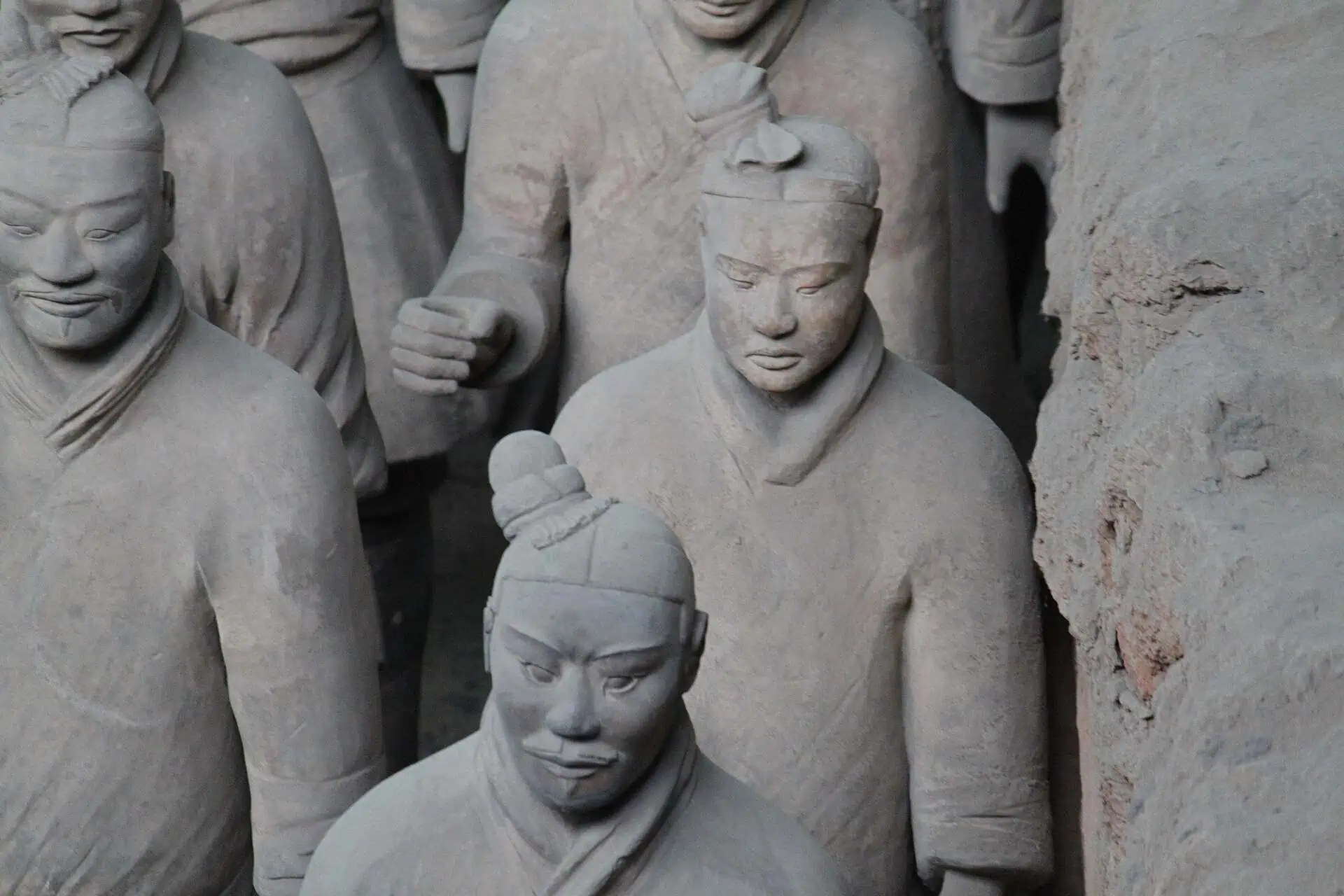
Terracotta Army
8,000 life-sized soldiers buried for China's First Emperor — and still on guard 2,200 years later.
Learn more →

Grand Tang Ever-Bright City
Two kilometers of free, floodlit Tang dynasty spectacle — the golden age, rebooted nightly.
Learn more →
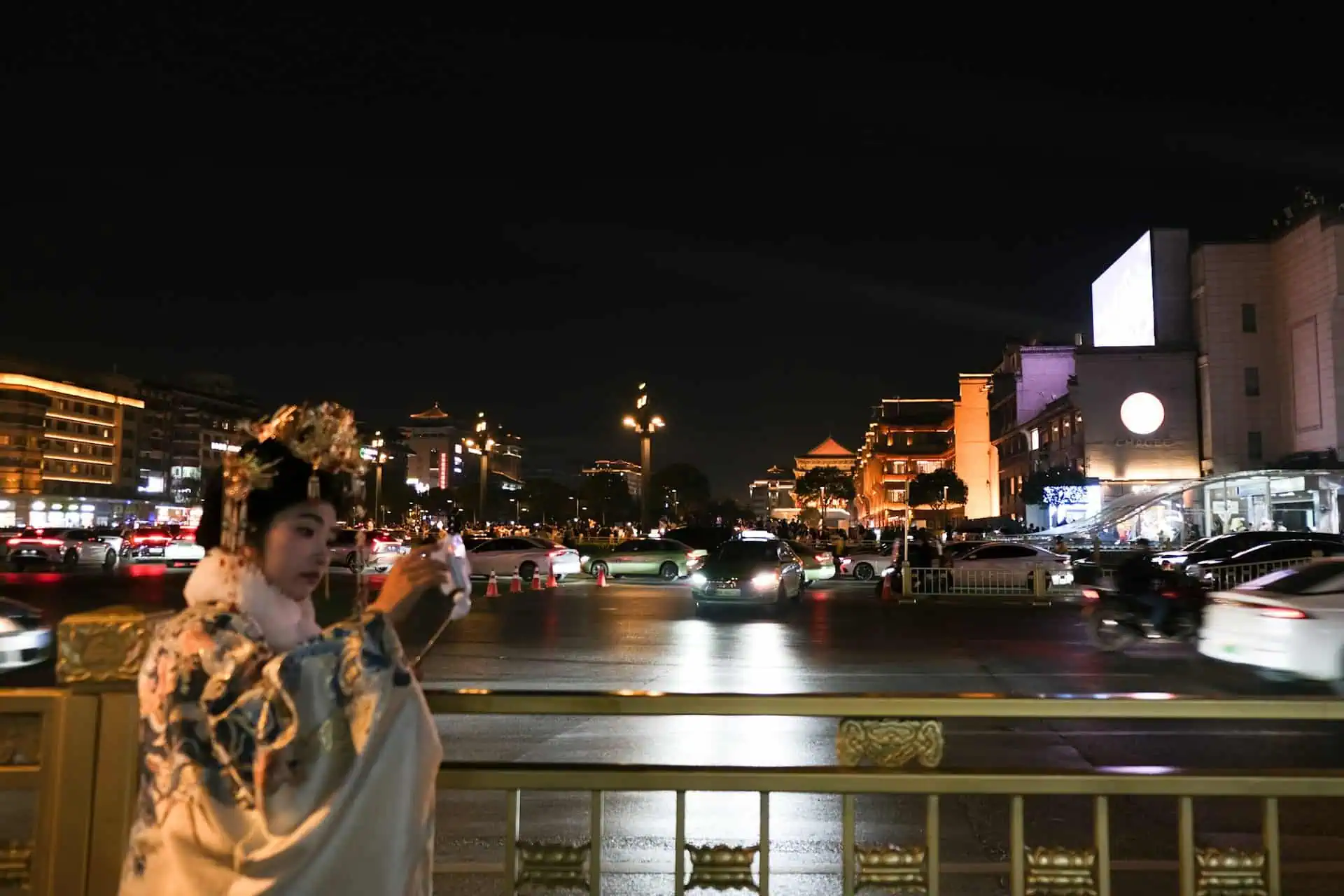
Chang'an Twelve Hours
A Tang-dynasty street rebuilt indoors in 2022 — costumed staff, hourly shows, and the best themed mall in China.
Learn more →
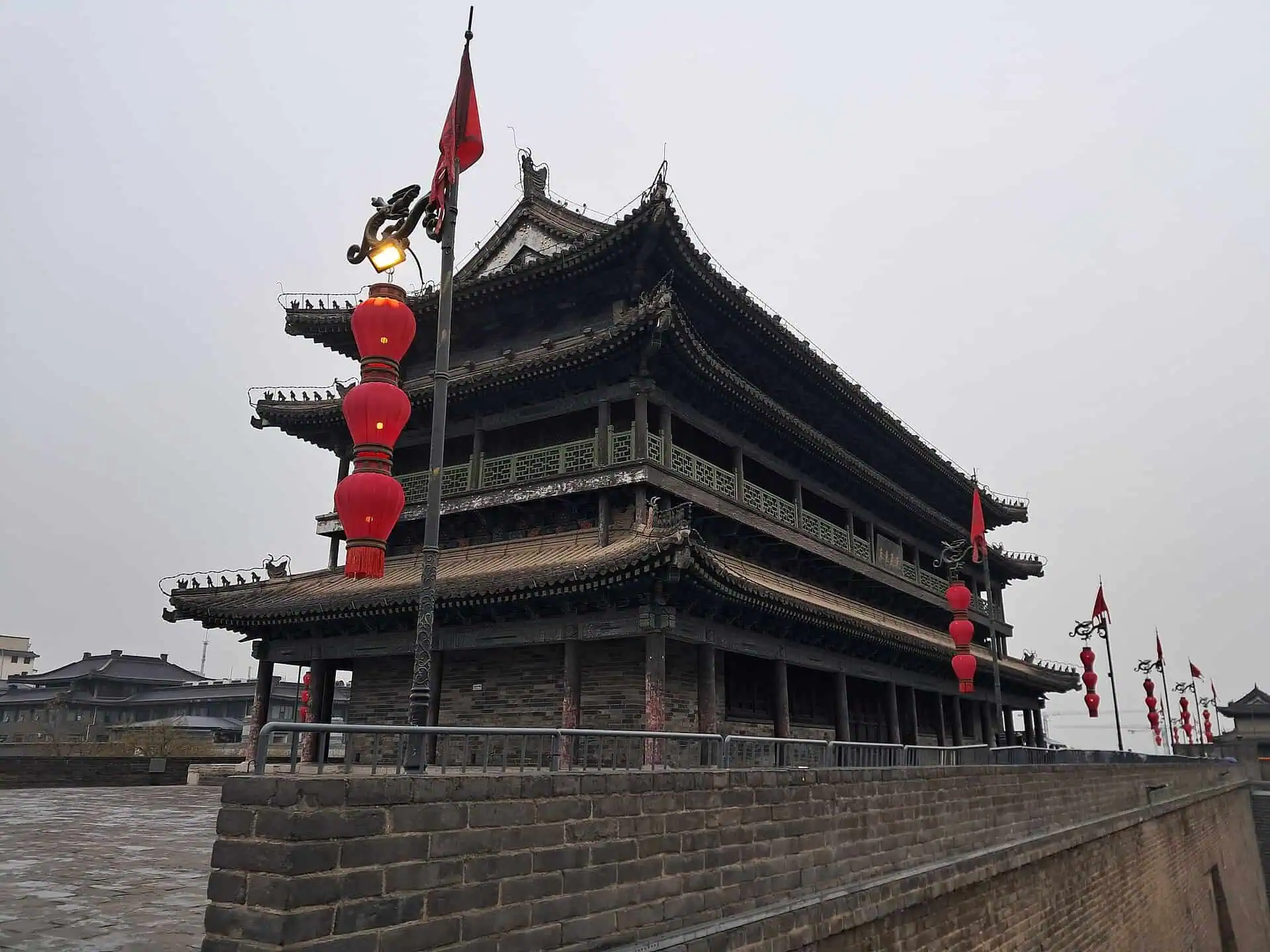
Xi'an City Wall
A 14-kilometer Ming dynasty rectangle you can cycle on top of — 650 years old and still the city's favorite commute.
Learn more →
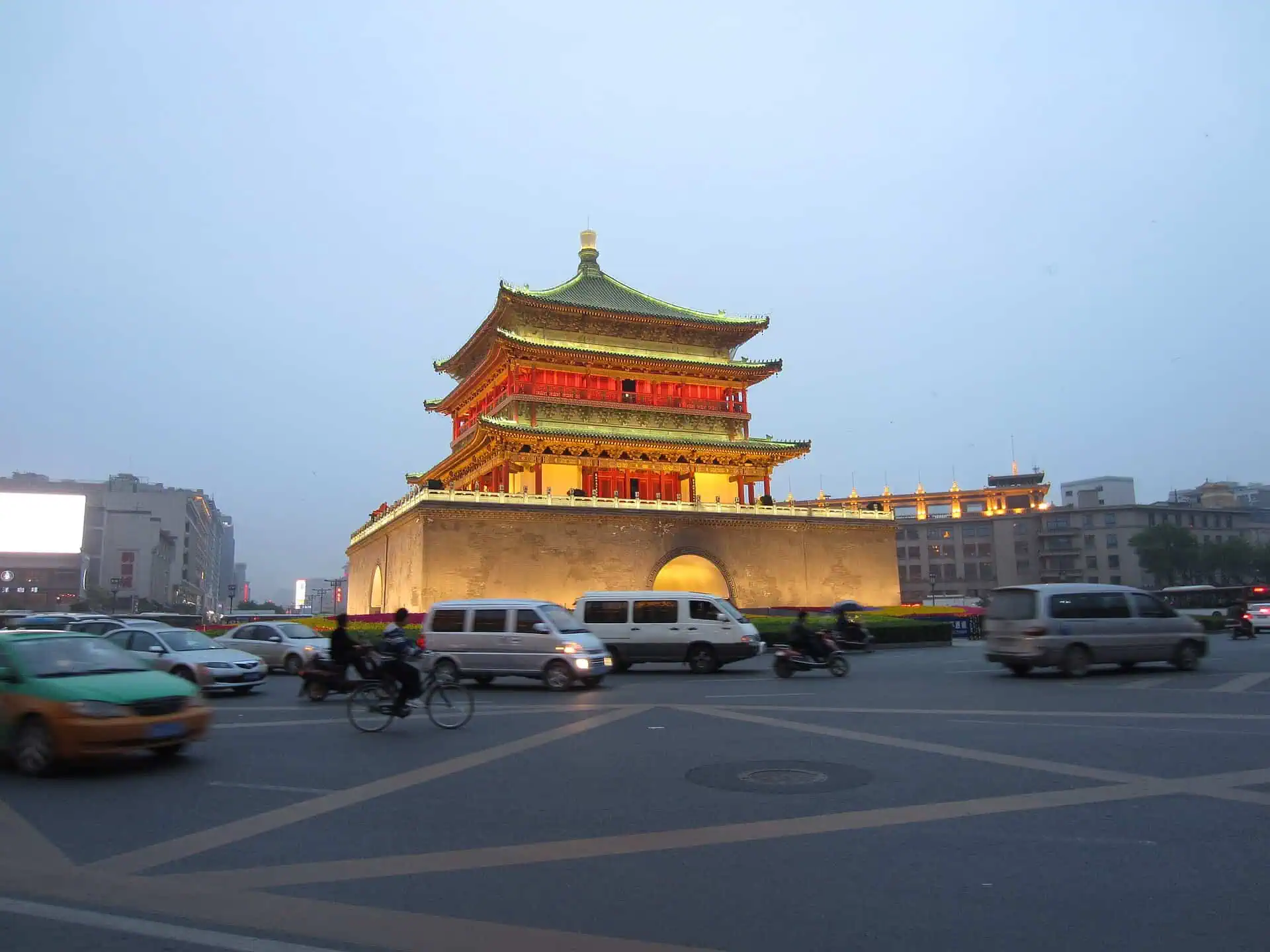
Xi'an Bell Tower
A Ming tower from 1384 at the dead center of the walled city — best admired at dusk, floodlit above the roundabout.
Learn more →
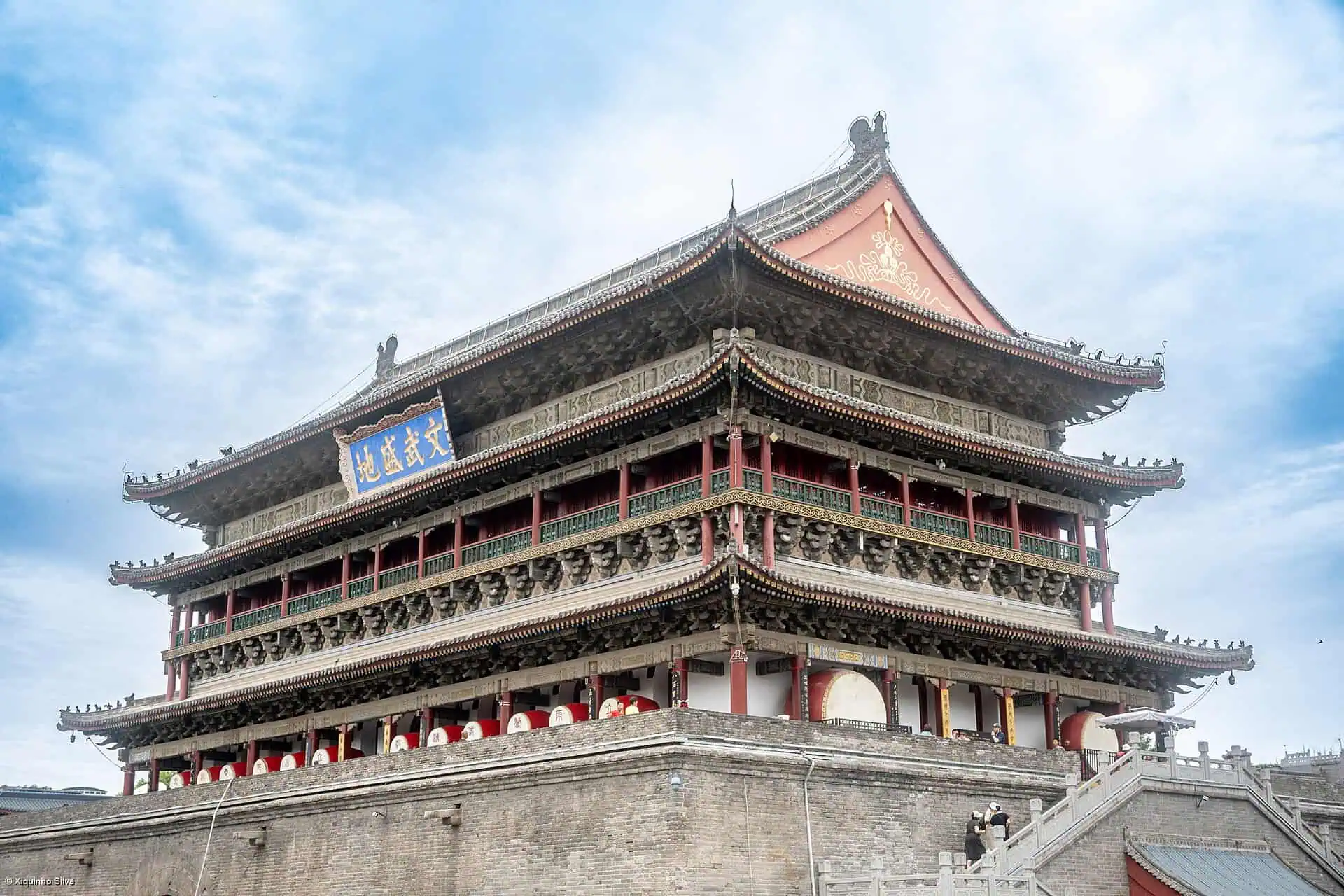
Xi'an Drum Tower
Built in 1380, four years before its famous sister — the tower whose drums closed every Xi'an day, and the gateway to the Muslim Quarter.
Learn more →
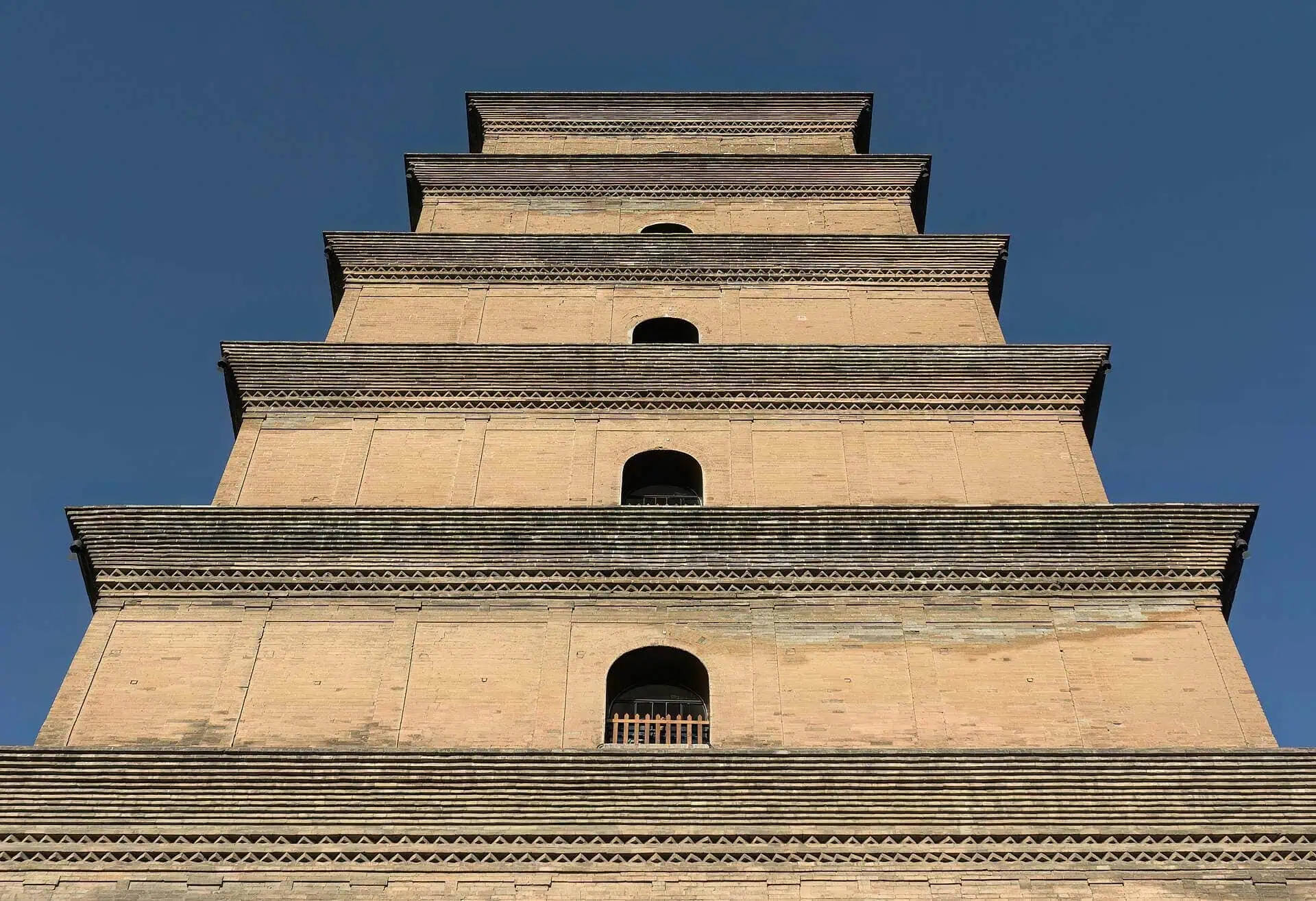
Big Wild Goose Pagoda
A Tang brick pagoda raised in 652 AD for a monk's 17-year journey to India — still Xi'an's defining landmark.
Learn more →
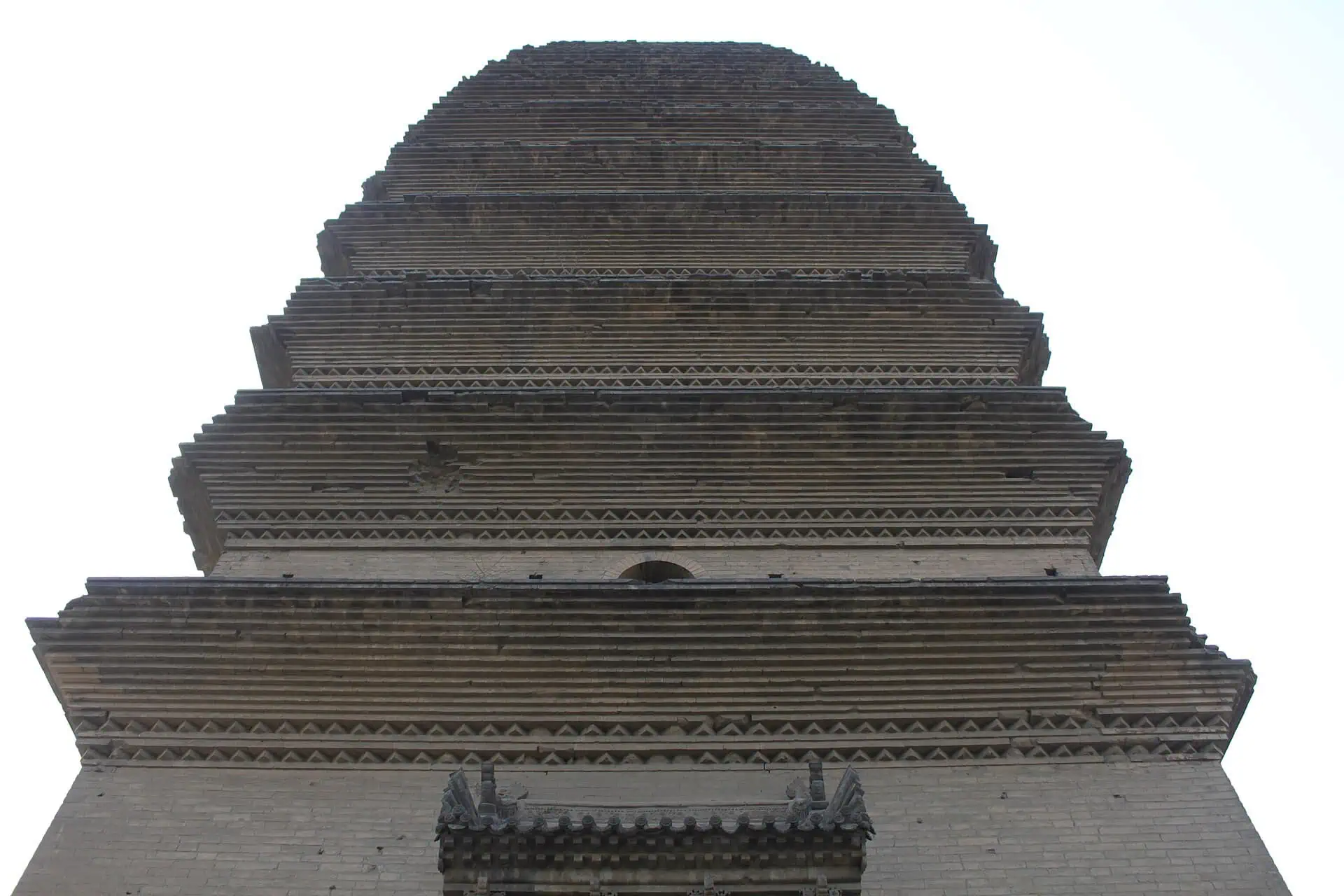
Small Wild Goose Pagoda & Xi'an Museum
A Tang pagoda from 707 AD that outlasted China's deadliest earthquake — free, calm, and half the crowds.
Learn more →
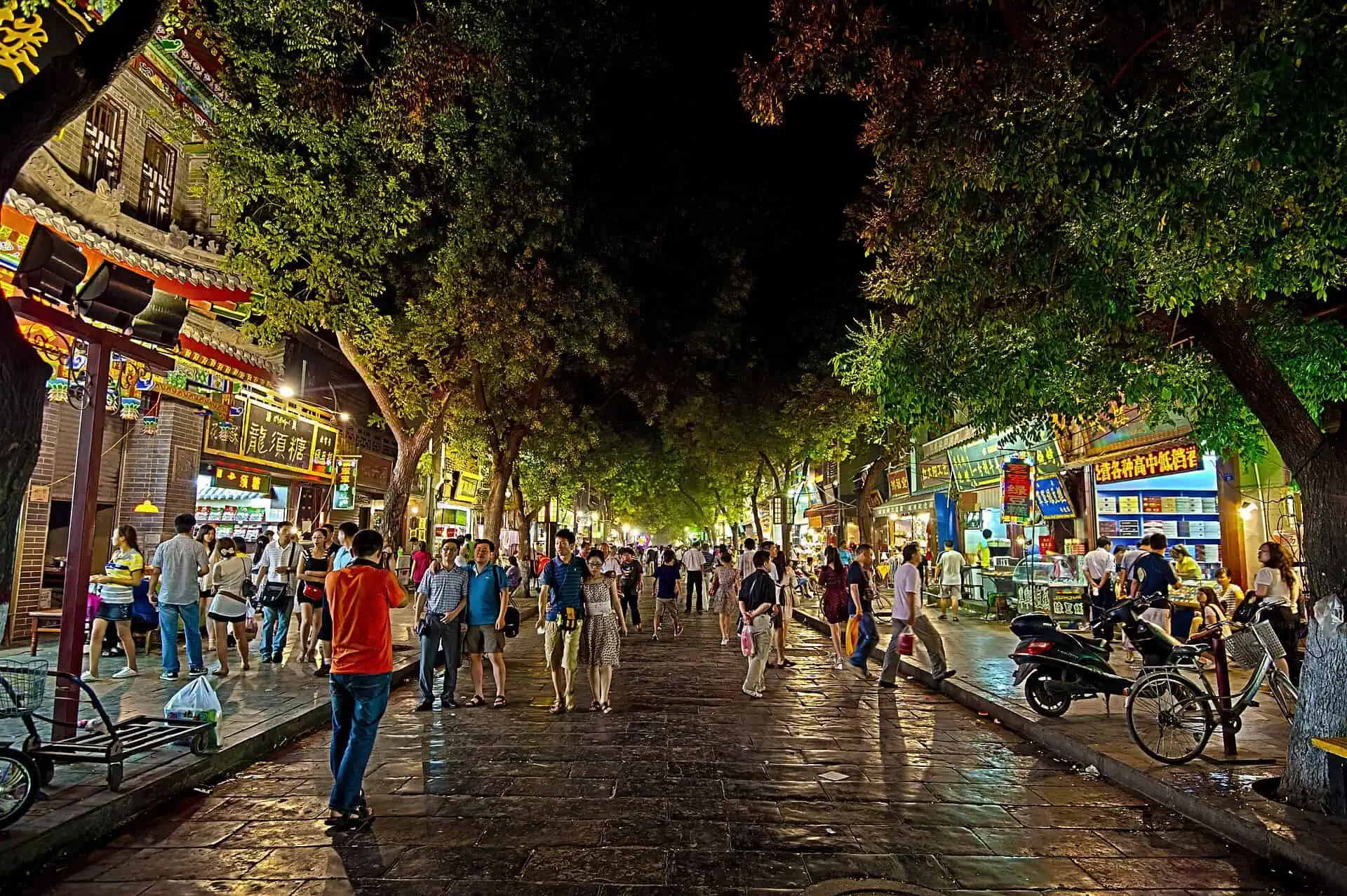
Muslim Quarter
Feeding Xi'an since the 700s — the loudest, smokiest, best-smelling streets of its Hui community.
Learn more →
Keep exploring
Visas & entry: do you need one?
Probably less paperwork than you fear — and two of the doors now have their own deep-dive packages: the 30-day visa-free entry (~50 countries) and the 240-hour transit (55 countries, including the US). This page is the router: work out which door is yours, then read its package.
The 240-hour visa-free transit, explained
Ten days in China without a visa, if you're just passing through — including Americans. The rules, the traps, and how to run it through Xi'an.
The 30-day visa-free entry: who gets in free
Around 50 countries can now enter China for up to 30 days with no visa at all — no transit logic, no onward-ticket games. Most of Europe, the UK, Canada, Australia and more. The US is not on the list.