What a trip to Xi'an actually costs: budget vs comfort
Xi'an is one of China's cheapest big tourist cities — street dinners for ¥20, hostel beds under ¥150, a metro that reaches every headline sight. But the Terracotta Army, a night show and a decent hotel add up fast. Here are two honest daily budgets, the real price of every big-ticket item, and the savings that actually work.
9 min read · 6 sections
The short version
- Backpacker: about ¥300–450 per person per day all-in — hostel dorm, street food, metro, one paid sight a day.
- Comfort: about ¥900–1,400 per person per day — 4–5★ hotel, restaurant meals, DiDi rides, sights plus an evening show.
- Big one-offs: Terracotta Army ¥120, City Wall ¥54, Huaqing Palace ¥120, Song of Everlasting Sorrow ¥238–600 depending on seat.
- Best free wins: Shaanxi History Museum (book the free slot days ahead) and the Grand Tang Ever-Bright City street shows at night.
- The metro covers nearly every sight for ¥2–8 a ride — skipping taxis saves ¥50–100 a day.
- Splurge once on something memorable: the Song of Everlasting Sorrow show or a Lintong hot-spring night beat any souvenir.
The two budgets
These are per person, per day, based on real 2026 prices — not the "China is cheap!" generalities. Both assume you're actually doing things, not sitting in the hotel.
Backpacker: ~¥300–450/day
| Item | Daily cost |
|---|---|
| Hostel dorm bed | ¥80–150 (off-season beds drop toward ¥50–60) |
| Food — street stalls and canteens | ¥60–80 |
| Metro and buses | ~¥10 |
| One paid sight (averaged) | ¥60–120 |
| Water, snacks, data, the odd beer | ¥30–50 |
Street food is the budget traveler's best friend in Xi'an: a roujiamo (肉夹馍, ròujiāmó) runs ¥10–15, a bowl of biangbiang noodles ¥15–25, and a full Muslim Quarter grazing dinner rarely passes ¥50. The one cost you can't dodge is sights — the Terracotta Army alone is ¥120 — so alternate paid days with free ones (museums, the Ever-Bright City, wall-side parks).
Comfort: ~¥900–1,400/day
| Item | Daily cost |
|---|---|
| 4–5★ hotel room (per person, double occupancy) | ¥500–800 |
| Restaurants, coffee, a bar stop | ¥150–250 |
| DiDi rides instead of the metro | ¥40–60 |
| Sights plus an evening show (averaged) | ¥200–300 |
Comfort in Xi'an is genuinely comfortable: ¥500–800 buys a well-run international or top Chinese chain room near the Bell Tower or the Big Wild Goose Pagoda — see where to stay for the neighborhood logic. Restaurant dining even at good local places is mild by Western standards: a proper Shaanxi feast with drinks lands around ¥80–150 a head.
Two honest caveats. Chinese public holidays inflate hotel prices two-to-threefold and wreck both budgets — avoid them. And solo travelers pay the "single tax" on comfort: a ¥600 room costs one person ¥600, two people ¥300 each.
A real day, item by item
Here's one concrete day — the classic first-visit Day 1 (Terracotta Army + Huaqing Palace + the evening show) — and where every yuan goes, on a comfort budget:
| Item | Cost |
|---|---|
| Hotel (4★ near the Bell Tower, shared double) | ¥300 per person |
| Tourist bus 306 to Lintong (round trip, from Fangzhicheng) | ¥10 |
| Terracotta Army admission | ¥120 |
| Huaqing Palace admission | ¥120 |
| Lunch near the site | ¥40 |
| Song of Everlasting Sorrow show (mid seat) | ¥350 |
| DiDi back into town | ¥60 |
| Dinner on the Muslim Quarter | ¥50 |
| Day total | ~¥1,055 per person |
Scale it to your own plan: skip the show (−¥350), skip Huaqing (−¥120), or swap the hotel for a hostel dorm (−¥220) and the same day drops to ¥365. Swap in a Shaanxi History Museum morning (free with a reservation) for the show and you get the full culture day at ¥425. The pattern to remember: lodging and the big sights move the budget; food and transport barely touch it.
The big one-off costs
This is the table to plan around. Prices below are the official or typical 2026 figures, per person:
| Sight / experience | Cost | Notes |
|---|---|---|
| Terracotta Army | ¥120 | Includes Lishan Garden; under-16 and 65+ free ONLY for Chinese residents (foreign children 6–16 ~half, foreign seniors full), students half. Book days ahead — real-name, passport at gate. |
| City Wall | ¥54 | Add ¥45 for 3 hours of bike rental — the best ¥45 in town. |
| Huaqing Palace | ¥120 | The Tang imperial hot-spring retreat in Lintong; pairs with the Terracotta day. |
| Song of Everlasting Sorrow show | ¥238–600 | Seat zone decides the price; runs year-round — standard edition roughly April–October plus a winter "Ice & Fire" edition (December–February). |
| Shaanxi History Museum | Free | Timed reservation required — see below. The Tang Mural Hall inside costs ¥270. |
| Tang Paradise | ~¥120 | Tang-themed park with separately priced evening shows — check current pricing. |
| Smaller temples, towers, pagodas | ¥20–65 each | Bell Tower, Drum Tower, pagoda climbs — small money, but it accumulates. |
Three things this table tells you. First, a sightseeing-heavy day (Terracotta + Huaqing + the show) can hit ¥500–700 per person on admissions alone — that's why the comfort budget reserves ¥200–300 a day for tickets. Second, transport to Lintong adds up: budget ¥5 each way on bus 306 (from Fangzhicheng Transit Hub) or ¥120–150 per car by DiDi. Third, student and senior discounts are real — bring valid ID. For booking mechanics and where to buy without getting scammed, read booking attractions.
Money-saving moves that actually work
Skip the generic "eat street food!" advice. These are the moves with real ¥ impact:
- Swap the paid show for the free street. Grand Tang Ever-Bright City (大唐不夜城, Dàtáng Bùyèchéng) is an open pedestrian street by the Big Wild Goose Pagoda with free outdoor performances every evening — costumed performers, light installations, crowds out strolling. It scratches the "Tang dynasty spectacle" itch that Tang Paradise charges entry plus a show ticket for. Do the free street; save the show budget for the Song of Everlasting Sorrow, which is in a different league.
- Use the free museums — but book them. Shaanxi History Museum's main exhibition is free with a timed reservation (slots release five days ahead and go fast in high season), and several other city museums are free or nearly so. That's a full day of world-class sightseeing for ¥0.
- Take the metro, keep the taxi money. Xi'an's metro reaches the City Wall, the Bell Tower, the pagoda, the museums and (via Line 9) Lintong for ¥2–8 a ride. A week of metro rides costs less than two taxi hops. Details in getting around Xi'an.
- Eat one street away from the main drag. On the Muslim Quarter's main street you pay for the location; the side lanes (and the places with a queue of locals) serve the same food cheaper and better.
- Travel in shoulder season. Hotel prices in October's holiday week can be triple March's. If your dates are flexible, that's the single biggest saving available — bigger than any food trick.
- Never buy marked-up tickets from touts. Sights sell at face value through official channels; anyone outside the gate offering "last tickets" is charging you a convenience fee at best.
What's worth splurging on
Cut everywhere else, but these three earn their money:
- Song of Everlasting Sorrow (长恨歌, Cháng Hèn Gē). The open-air night show at Huaqing Palace, staged on the lake with Mount Li (骊山, Líshān) wired with lights as the backdrop. It's the rare Chinese mega-show that lives up to its staging, and the mid-price seats (roughly ¥300–400) are the sweet spot — the cheapest zones still see everything. It now runs year-round: the standard edition roughly April to October plus a winter "Ice & Fire" edition (December–February); book ahead in summer.
- A hot-spring night in Lintong. The same springs that made Tang emperors build their retreat here now feed a strip of hot-spring hotels. After a dusty Terracotta Army day, soaking in a private pool is the best version of the Lintong experience — rooms with spring-fed tubs run from a few hundred yuan into four figures at the international brands, so check current rates and treat it as your one hotel splurge. More on the area in our Lintong guide.
- A human guide at the Terracotta Army. The pits are self-explanatory at the level of "many soldiers," but a licensed guide (booked at the official desk inside, typically around ¥100–200 per group — agree the price first) turns rows of statues into the story of an empire. Split between two or three people, it's cheap for what it adds.
What is not worth splurging on: souvenir "terracotta warriors" (buy a cheap one, it comes from the same kilns — see shopping and souvenirs), jade of any description, and hotel breakfast buffets when a ¥15 street breakfast outside is better.
How you'll pay for all of this
One reason budgets go wrong in China: visitors arrive without working mobile payments and end up in the cash-only, ATM-hunting minority. Xi'an is close to cashless — metro gates, street stalls and ticket counters all run on Alipay or WeChat Pay, both of which now accept foreign cards. Sort this before you fly; the full walkthrough is in money and payments.
Keep a few hundred yuan in cash as backup for the rare cash-only holdout, and remember that sight tickets are booked online against your passport — your phone is functionally your wallet and your ticket office at once.
Questions, answered
How much money do I need per day in Xi'an?
About ¥300–450 per person per day on a backpacker pattern (hostel dorm, street food, metro, one paid sight), or ¥900–1,400 for comfort travel (4–5★ hotel shared as a couple, restaurants, DiDi, sights plus a show). Add a buffer for the Terracotta Army day — admissions plus Lintong transport can add ¥200–300.
Is Xi'an expensive for tourists?
No — it's one of China's better-value big destinations. Street meals run ¥15–40, the metro is ¥2–8 a ride, and several top museums are free with a reservation. The costs that bite are admissions (¥120 for the Terracotta Army, ¥54 for the City Wall) and evening shows (¥238+), plus hotels during Chinese public holidays, when prices can triple.
How much cash should I carry in Xi'an?
Very little — a few hundred yuan as backup. Xi'an runs on mobile payments: Alipay and WeChat Pay accept foreign cards and work everywhere from metro gates to street stalls. ATMs are available if you need more, but don't plan around cash.
What is the most expensive thing to do in Xi'an?
The evening shows are the biggest single discretionary spend: the Song of Everlasting Sorrow runs ¥238–600 depending on seat zone. A Lintong hot-spring hotel night (from a few hundred yuan to ¥1,000+) is the other classic splurge. Everything else headline-level — Terracotta Army ¥120, City Wall ¥54 — is modest by world-city standards.
Are there student or senior discounts at Xi'an sights?
Yes. Most major sights charge students roughly half price with a valid student ID, and seniors 65+ (plus children under 1.2 m or under 16 at some sights, including the Terracotta Army) enter free with ID. Bring the physical documents — photos of IDs aren't accepted at the gate.
Places in this story
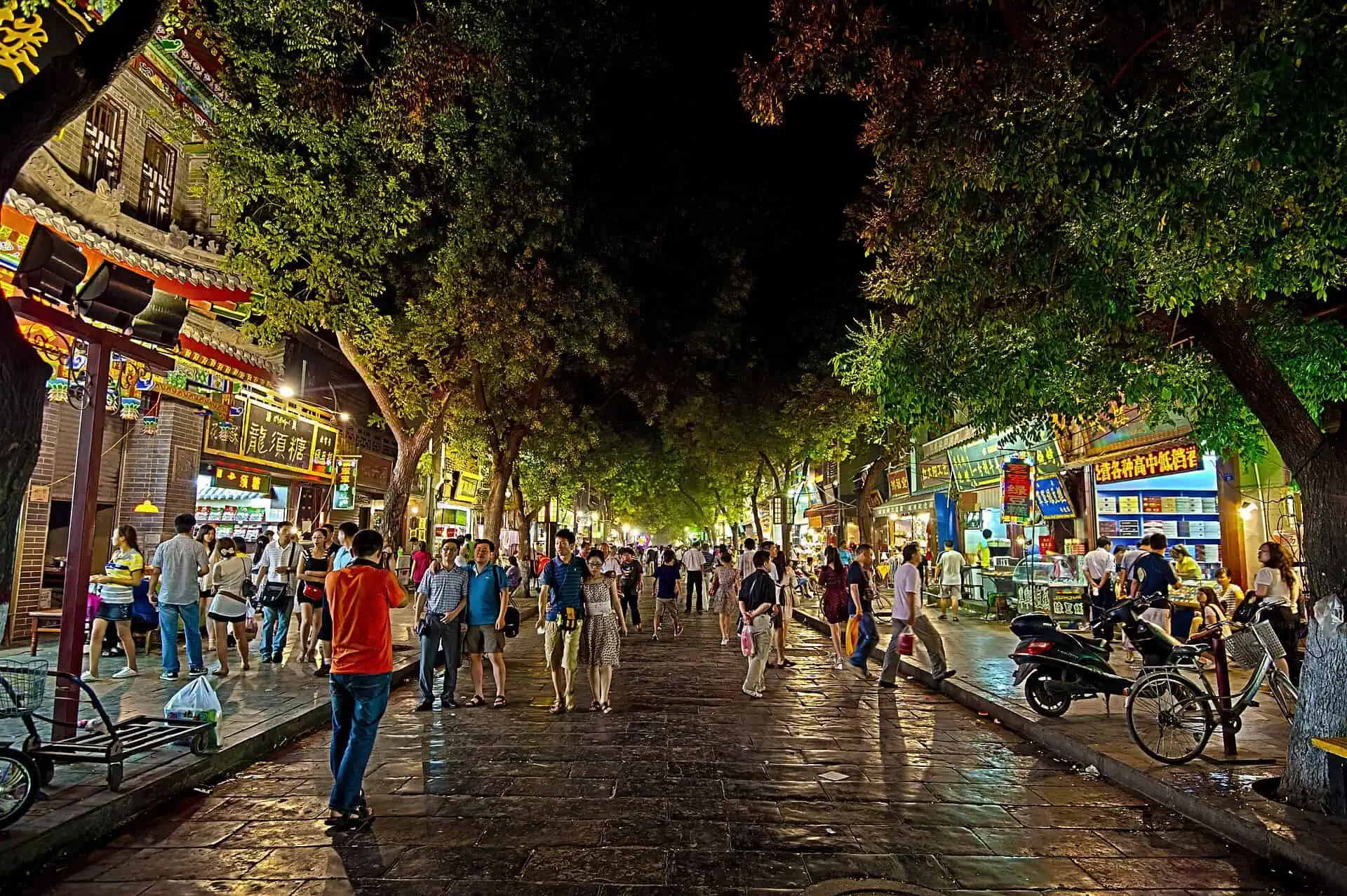
Muslim Quarter
Feeding Xi'an since the 700s — the loudest, smokiest, best-smelling streets of its Hui community.
Learn more →
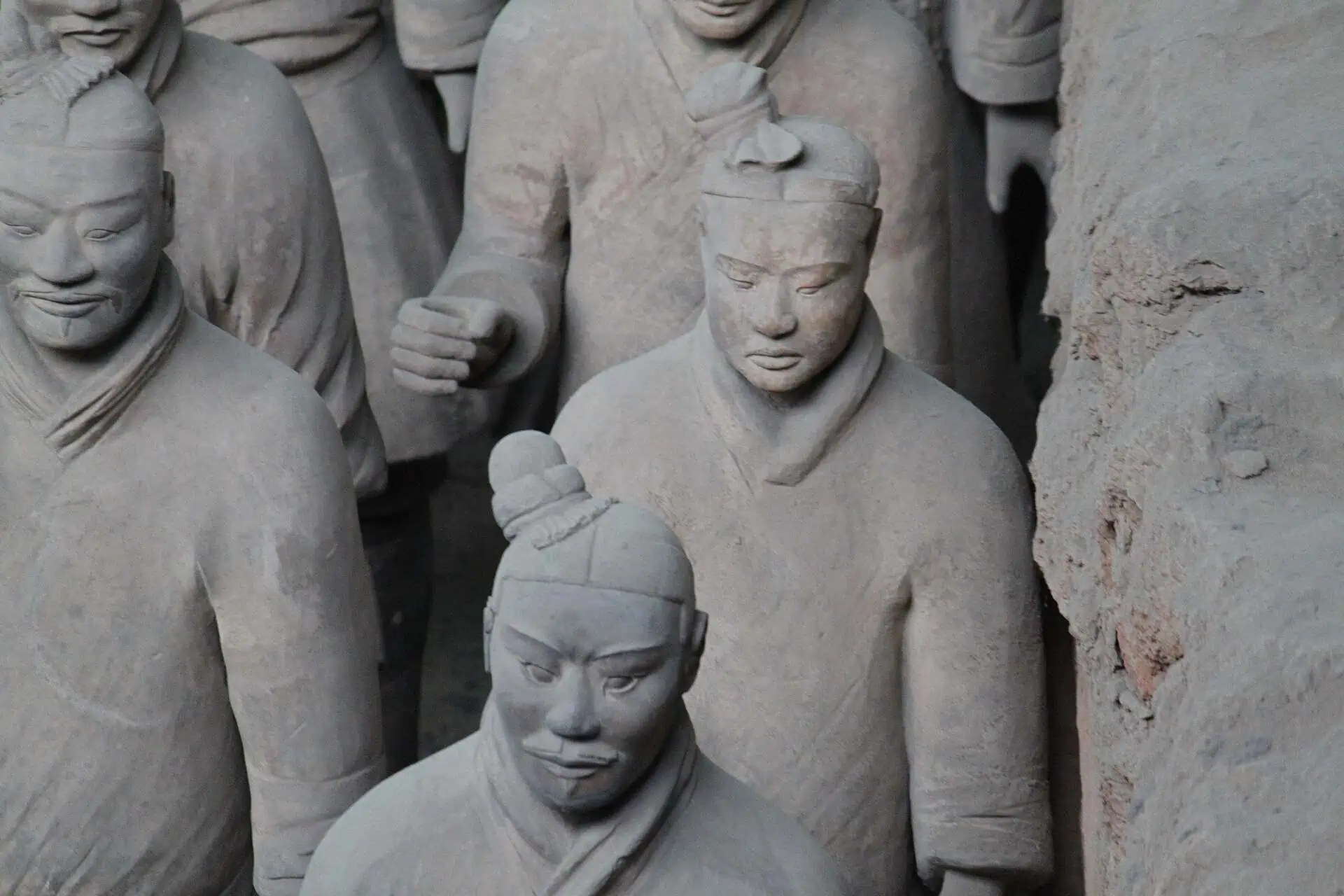
Terracotta Army
8,000 life-sized soldiers buried for China's First Emperor — and still on guard 2,200 years later.
Learn more →
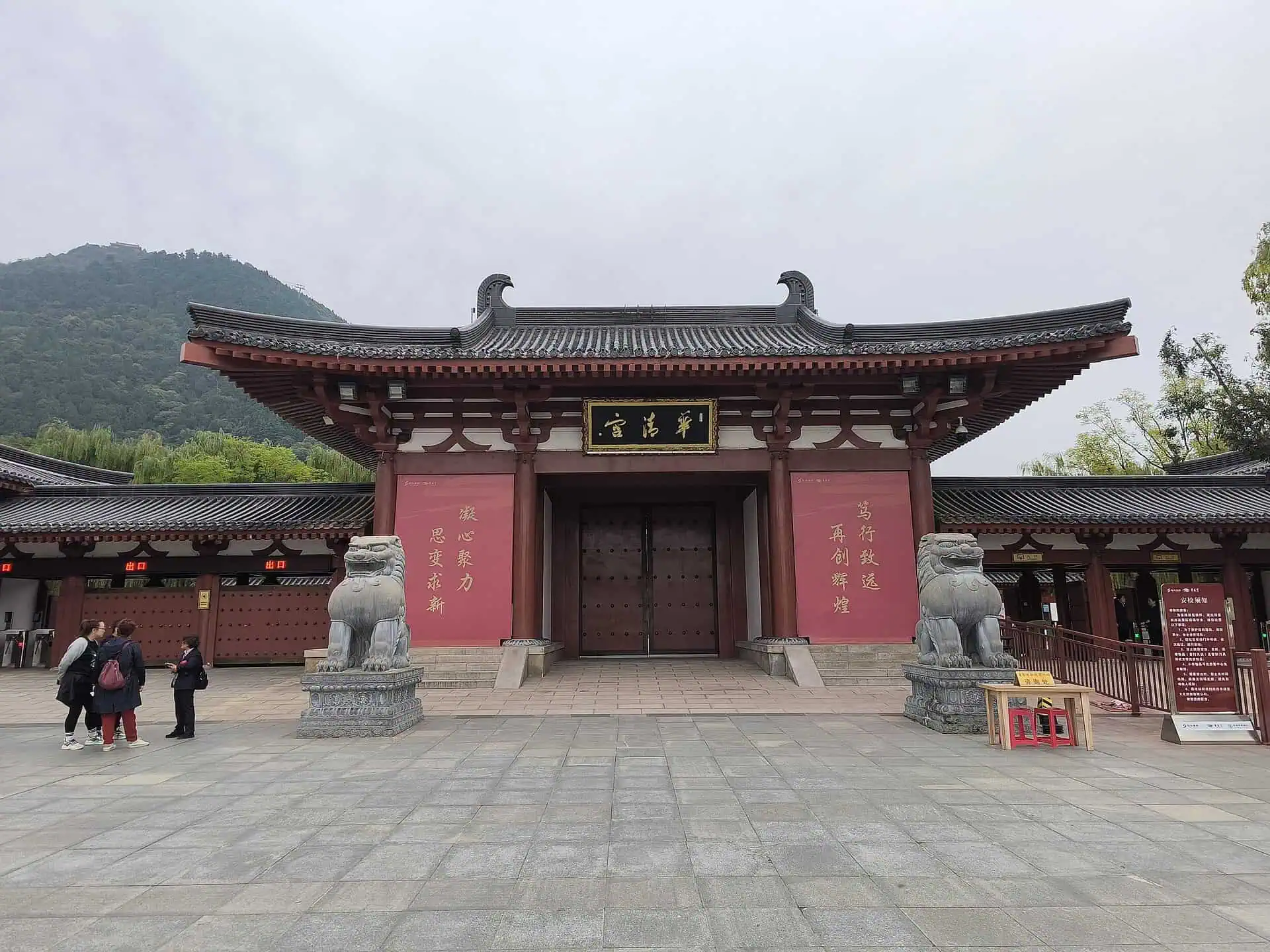
Huaqing Palace & Hot Springs
Tang emperors soaked here in the 700s — China's most famous love story, and the site of a 1936 kidnapping that changed the country.
Learn more →
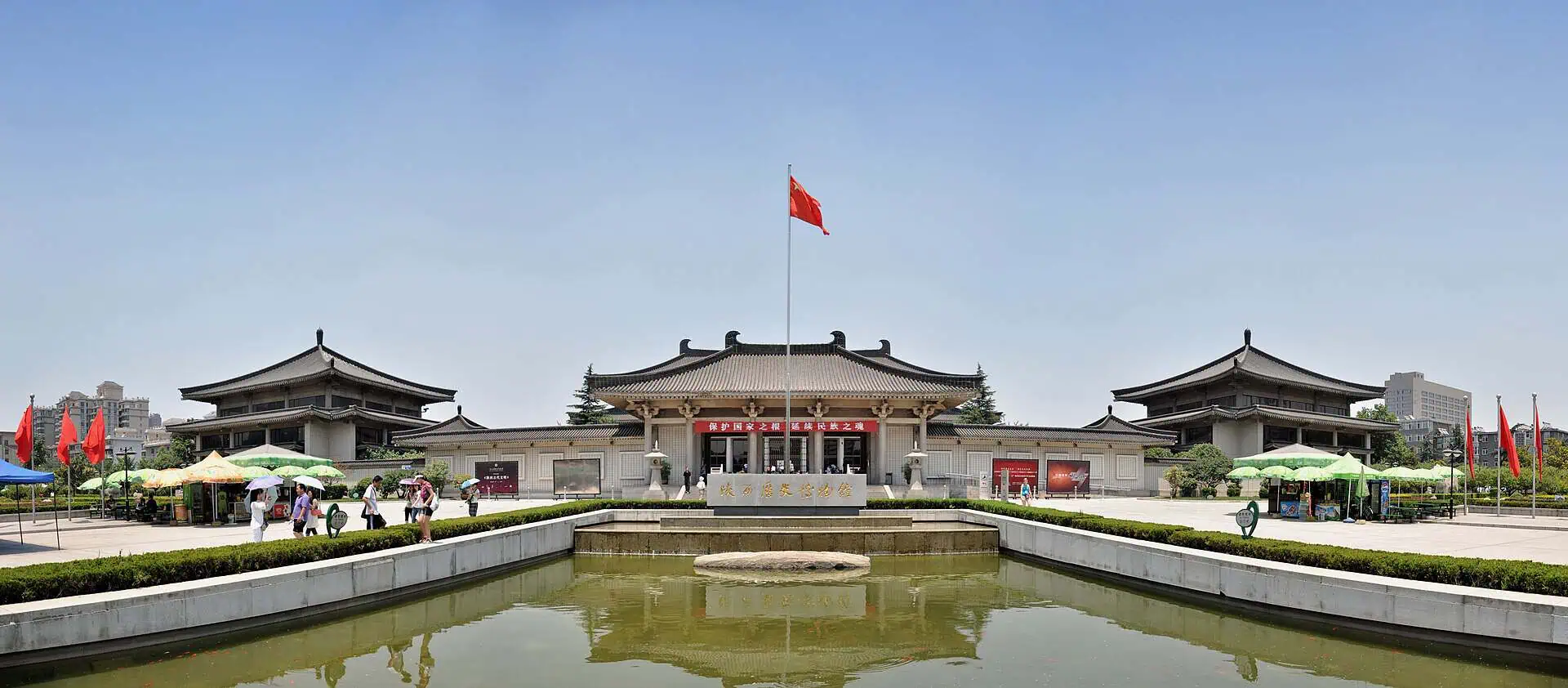
Shaanxi History Museum
Every layer of Xi'an's time stack under one roof — Zhou bronzes, Han gold and Tang treasure.
Learn more →
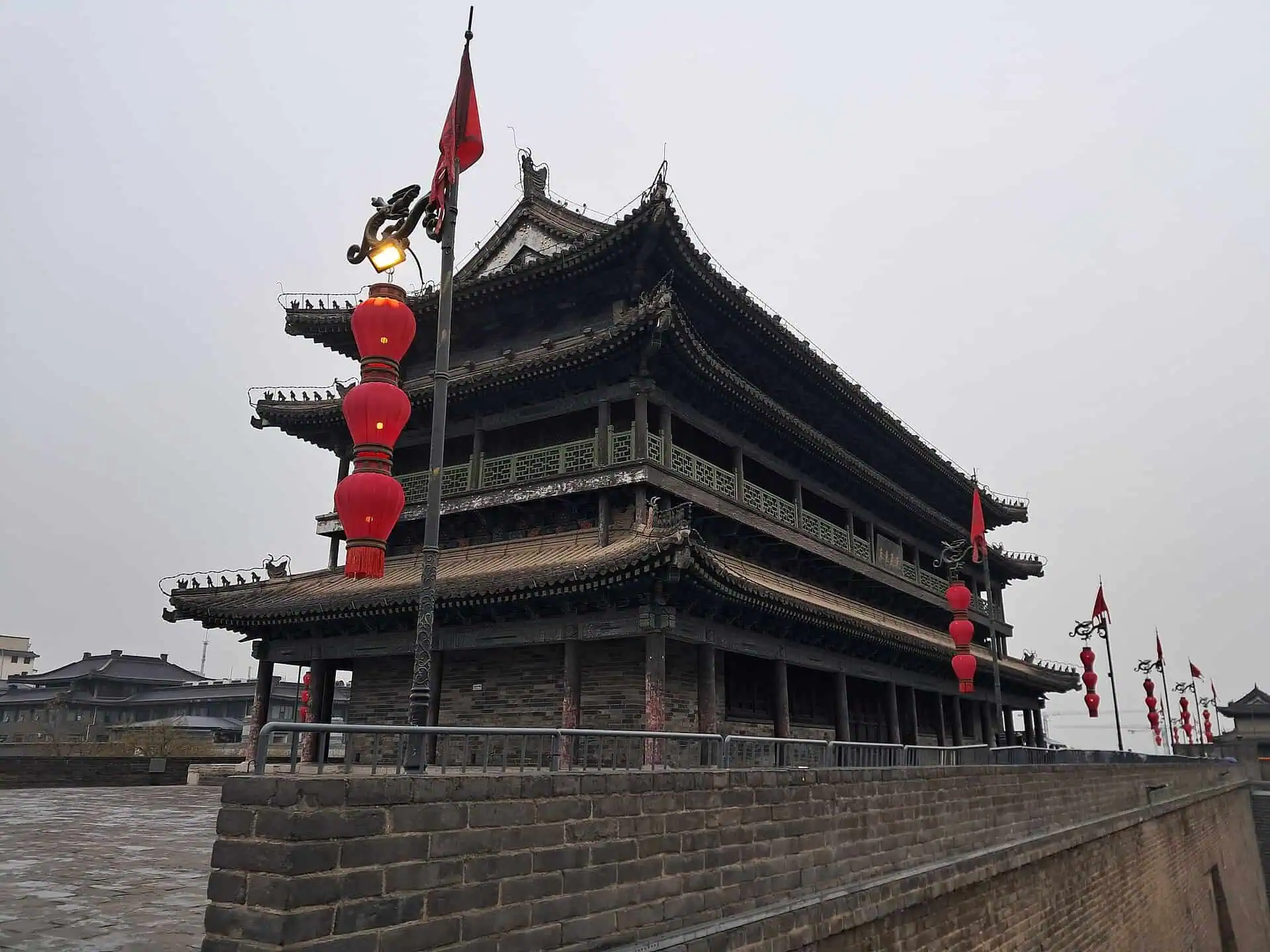
Xi'an City Wall
A 14-kilometer Ming dynasty rectangle you can cycle on top of — 650 years old and still the city's favorite commute.
Learn more →
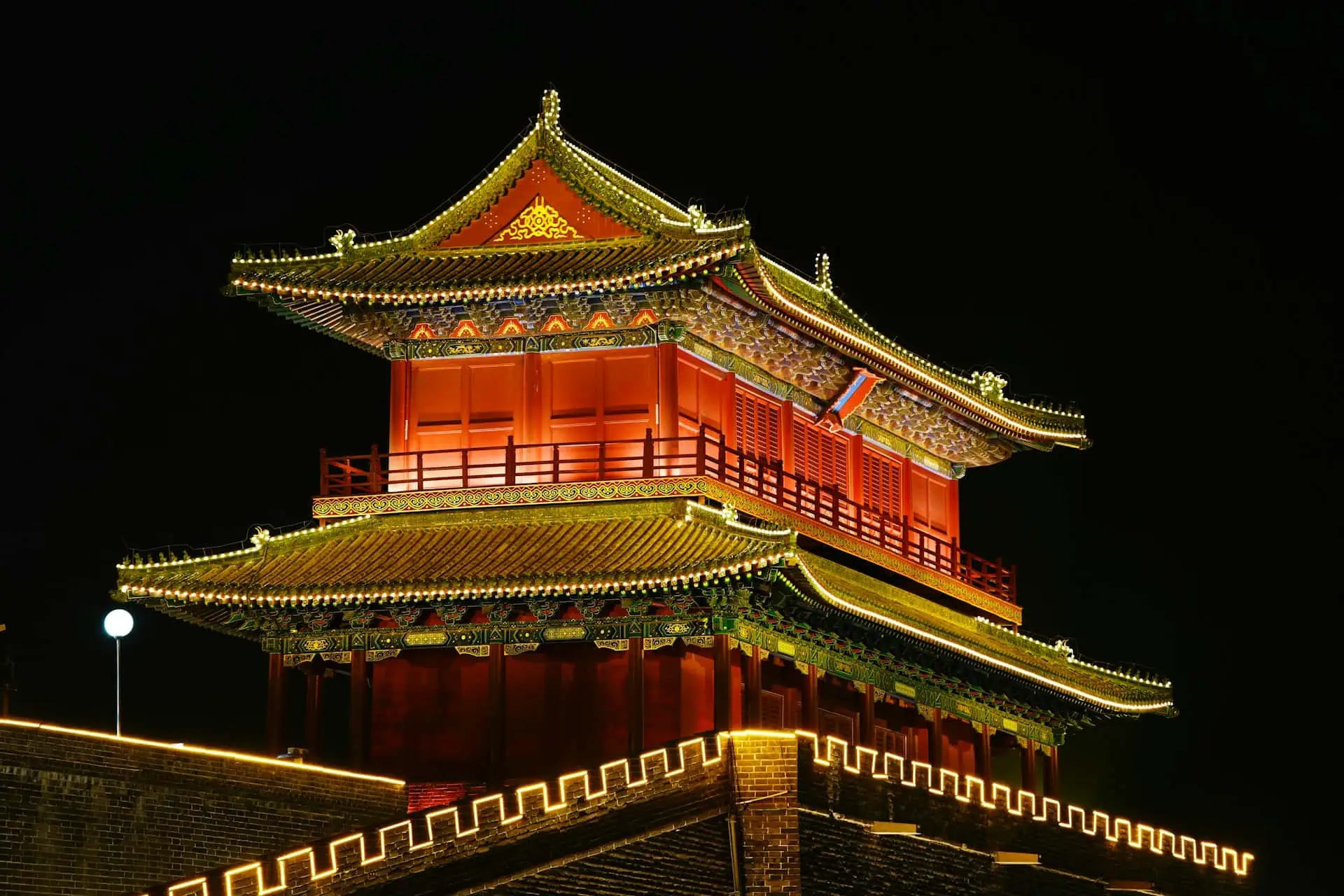
Tang Paradise
A royal Tang garden reimagined in 2005 — artificial, enormous, and genuinely beautiful after dark.
Learn more →
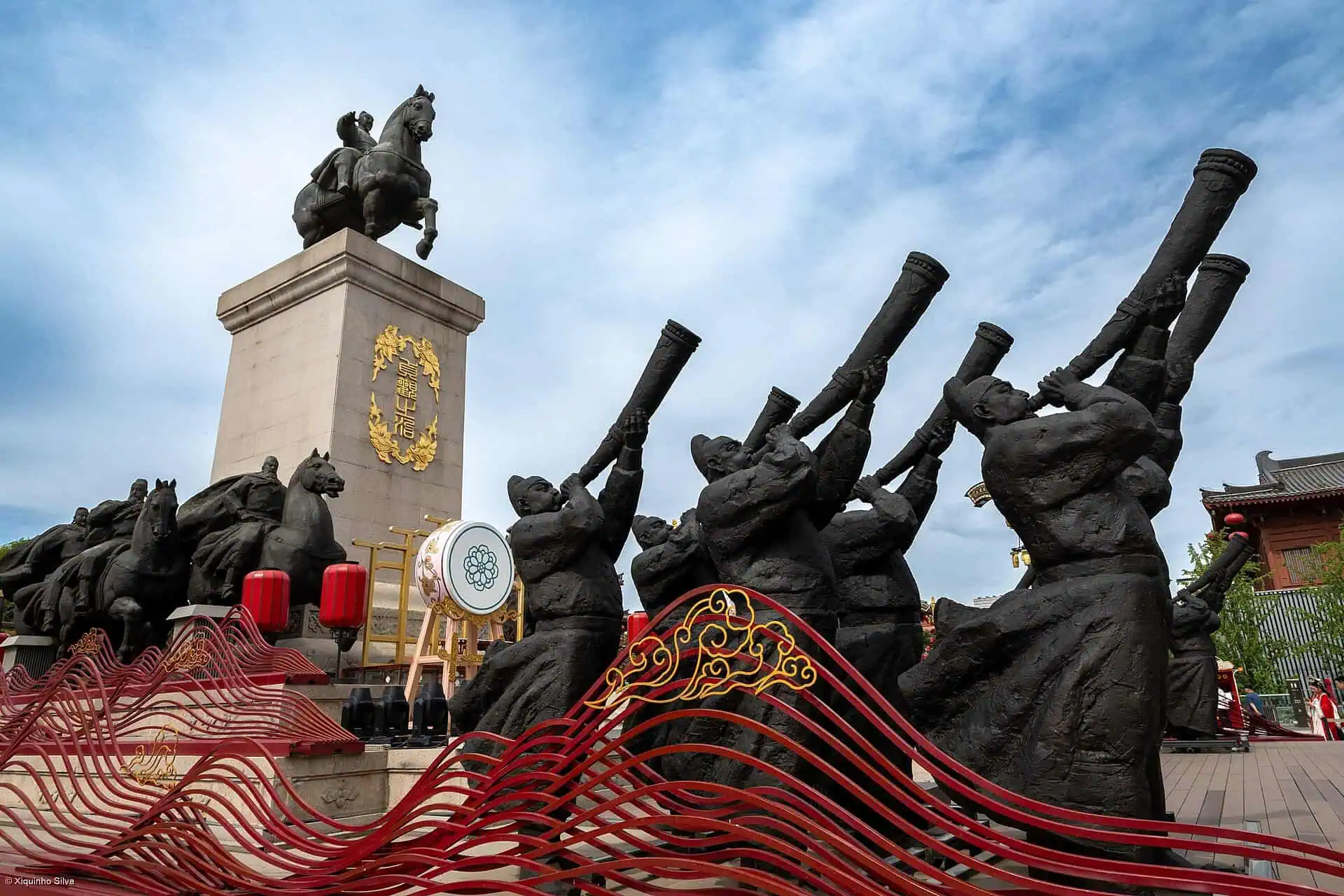
Grand Tang Ever-Bright City
Two kilometers of free, floodlit Tang dynasty spectacle — the golden age, rebooted nightly.
Learn more →
Keep exploring
Visas & entry: do you need one?
Probably less paperwork than you fear — and two of the doors now have their own deep-dive packages: the 30-day visa-free entry (~50 countries) and the 240-hour transit (55 countries, including the US). This page is the router: work out which door is yours, then read its package.
The 240-hour visa-free transit, explained
Ten days in China without a visa, if you're just passing through — including Americans. The rules, the traps, and how to run it through Xi'an.
The 30-day visa-free entry: who gets in free
Around 50 countries can now enter China for up to 30 days with no visa at all — no transit logic, no onward-ticket games. Most of Europe, the UK, Canada, Australia and more. The US is not on the list.