Best time to visit Xi'an: an honest month-by-month guide
Xi'an has two golden windows — late March to May, and September to early November — and two seasons that demand a reason: a furnace-hot summer and a cold, dry, wonderfully empty winter. Weather is only half the story, though; the Chinese holiday calendar can matter more than the temperature. Here's every month, with the traps marked.
8 min read · 7 sections
The short version
- Best overall: late March–May and September–early November — mild days, manageable crowds, and the city's two floral seasons.
- October is the single best month if you dodge the October 1–7 Golden Week, when the whole country travels at once.
- Summer hits 35°C+ regularly — but mornings, museums and Xi'an's evening street life make it workable.
- Winter is cold and dry (highs ~5–6°C) with the year's thinnest crowds and the Spring Festival lantern fair on the City Wall.
- September is lovely but one of the two rainiest months — pack accordingly.
- Chinese public holidays trump weather: check the calendar before you fix dates.
The short answer
Come in late March, April or May, or in September or October, and Xi'an will meet you halfway: daytime temperatures in the teens or mid-20s °C, long sight-seeing days, cherry blossoms in spring and ginkgo gold in autumn. These are the windows the 3-day itinerary was built around.
Everything outside those windows is a trade. Summer trades comfort for energy — brutal midday heat, but the city comes alive after dark. Winter trades warmth for solitude — the Terracotta Army with elbow room, hotel prices at their floor, and a lantern fair that justifies the coat. There is no truly bad month; there are only bad week-choices, and most of those are Chinese public holidays rather than weather.
Month by month
Average highs and lows in °C (daytime/nighttime), rainfall, and our verdict. Rainfall is qualitative — Xi'an gets 500–700 mm a year, concentrated in July and September:
| Month | Temp (°C) | Rain | Verdict |
|---|---|---|---|
| January | 5 / −5 | Very low | Cold, dry, empty. Lantern fair if Chinese New Year falls here. |
| February | 8 / −2 | Very low | Still winter; New Year crowds at the fair, quiet everywhere else. |
| March | 14 / 4 | Low | Golden window opens late month; blossoms begin. |
| April | 21 / 10 | Moderate | Superb — cherry blossoms, mild days. Book ahead. |
| May | 26 / 14 | Moderate | Superb after the May 1–5 holiday crush. |
| June | 31 / 19 | Moderate | Hot but survivable; go early in the month. |
| July | 32 / 21 | High | Hottest and wettest; 35°C+ days are routine. |
| August | 32 / 21 | Moderate-high | Still hot and sticky; evenings save it. |
| September | 25 / 16 | High | Golden, but the year's other rainy month. |
| October | 20 / 10 | Moderate | The best month — avoid October 1–7 entirely. |
| November | 12 / 3 | Low | Cold, quiet, golden ginkgo in the first half. |
| December | 6 / −4 | Very low | Cold, dry, crowd-free; the budget traveler's month. |
Two patterns worth knowing: daily temperature swings run about 10°C, so spring and autumn mornings are colder than the averages suggest, and winter can bring haze — check the air-quality index alongside the forecast.
Spring: late March to May
The first golden window, and the prettier one. March starts cold (nights around 4°C — bring a real jacket) but by April the city hits the 20s and the blossom season begins: cherry blossoms at Qinglong Temple (青龙寺, Qīnglóngsì), peach and crabapple along the City Wall park and in the grounds of Daming Palace. May is warm without being hot — T-shirt weather by day, a light layer at night.
Spring's two catches are wind and holidays. March and April can bring dusty winds blowing in from the northwest — sunglasses and a mask earn their place in the day bag. And the May Day holiday (roughly May 1–5) is one of China's great travel stampedes; treat that week like Golden Week and aim for the second half of the month instead. More on the blossoms in our cherry blossom guide.
Summer: June to August
Be honest about the heat: July averages 22–32°C, sunny days routinely push past 35°C, and the record books say 40°C happens. July is also one of the two rainiest months, which turns the heat muggy rather than dry. If your dates are fixed in summer, don't despair — reorganize the day instead of canceling the trip.
The summer playbook: sights at opening time (the Terracotta Army at 8:30 is cooler and quieter), air-conditioned museums from noon to mid-afternoon — the Shaanxi History Museum earns its reservation fight here — and the city after sunset, which is when Xi'an is at its best anyway: the fountain show at the Big Wild Goose Pagoda, the light-up on the City Wall, the food lanes of the Muslim Quarter in full swing. See Xi'an at night for the after-dark version of the city. Note that summer is also Chinese school-holiday season, so crowds stay high even as the mercury rises.
Autumn: September to early November
The second golden window, and many regulars' favorite. September runs 16–25°C with osmanthus scenting the streets — but be warned, it ties July as the rainiest month, with around ten wet days; an umbrella is not optional. October is the prize: crisp 10–20°C days, the skies clearing, and by late month the ginkgo trees turning the temple courtyards gold — our ginkgo guide has the spots, and the first half of November keeps the color as the crowds drain away.
The single biggest trap in the Xi'an calendar sits at the window's front edge: Golden Week, October 1–7, when the country takes its national-day holiday and every famous sight in China operates at capacity. Terracotta Army tickets vanish, hotel prices double, the Muslim Quarter becomes a slow-moving crowd. If you can only travel in early October, read our public holiday survival guide and book everything — attraction tickets, trains, hotels — the day each one opens. From October 8 onward, the month is yours.
Winter: December to February
Winter in Xi'an is cold, dry and underrated. Daytime highs sit around 5–8°C, nights dip below freezing (January lows average about −5°C), and rain is rare — this is the driest season by far, with snow an occasional bonus rather than a threat. In exchange for a down jacket you get the year's smallest crowds and lowest hotel prices: the Terracotta Army with room at the railing, the City Wall practically to yourself on a weekday.
The season has one magnificent exception to its quiet: the Spring Festival lantern fair on the City Wall, which runs through the Chinese New Year period (late January or February, depending on the lunar calendar) and turns the ramparts into a kilometers-long corridor of illuminated lantern sets. It's the one time the wall genuinely sells out — and worth it. Details in our winter lights guide. Two honest caveats: Chinese New Year week itself is a family-travel peak with reduced opening hours at some sights and restaurants, and winter haze can sit over the city for days — if anyone you're traveling with has sensitive lungs, keep plans loose.
The holiday traps, in one place
More than weather, the Chinese holiday calendar decides whether your trip feels spacious or swamped. The ones that hit Xi'an hardest:
- Chinese New Year (late Jan/Feb): a week-plus of family travel; the lantern fair is glorious but the transport network is at maximum strain.
- May Day (around May 1–5): the spring stampede; the Terracotta Army and Muslim Quarter at capacity.
- National Day Golden Week (Oct 1–7): the big one. Avoid it unless you have no choice.
- Qingming (early April) and Dragon Boat (June): shorter, milder versions of the same effect.
Exact dates shift every year with the lunar calendar and government announcements, so check the current year's schedule in our public holidays and crowds guide before fixing flights. The rule of thumb: the best week to visit Xi'an is the one immediately after a major holiday — same weather, half the people.
Questions, answered
What is the best month to visit Xi'an?
October, avoiding the Golden Week holiday of October 1–7. You get crisp 10–20°C days, clearing skies, ginkgo trees turning gold late in the month, and crowds that thin dramatically after the holiday. April is the spring equivalent, with cherry blossoms and 10–21°C weather.
How hot is Xi'an in summer?
Genuinely hot: July averages 22–32°C, sunny days regularly exceed 35°C, and peaks of 40°C are on record. July and September are also the rainiest months. If you visit in summer, sightsee at opening time, retreat to air-conditioned museums at midday, and do your outdoor exploring after dark.
Is Xi'an worth visiting in winter?
Yes, if you dress for it. Daytime highs of 5–8°C, dry air, the year's smallest crowds and lowest hotel prices — plus the Spring Festival lantern fair on the City Wall around Chinese New Year, which is one of the city's best events. The trade-offs are cold mornings, occasional haze, and reduced hours at some venues during the New Year week itself.
When are the worst crowds in Xi'an?
The Chinese public holidays: National Day Golden Week (October 1–7) is the worst, followed by May Day (around May 1–5) and Chinese New Year (late January or February). Attraction tickets sell out weeks ahead, hotel prices can double, and famous sights run at capacity. The week right after a major holiday is the sweet spot.
Does it rain a lot in Xi'an?
Moderately — 500–700 mm a year, but heavily concentrated: July and September each average around ten rainy days, while winter is very dry. September visitors should pack an umbrella; December visitors can leave it at home.
Places in this story
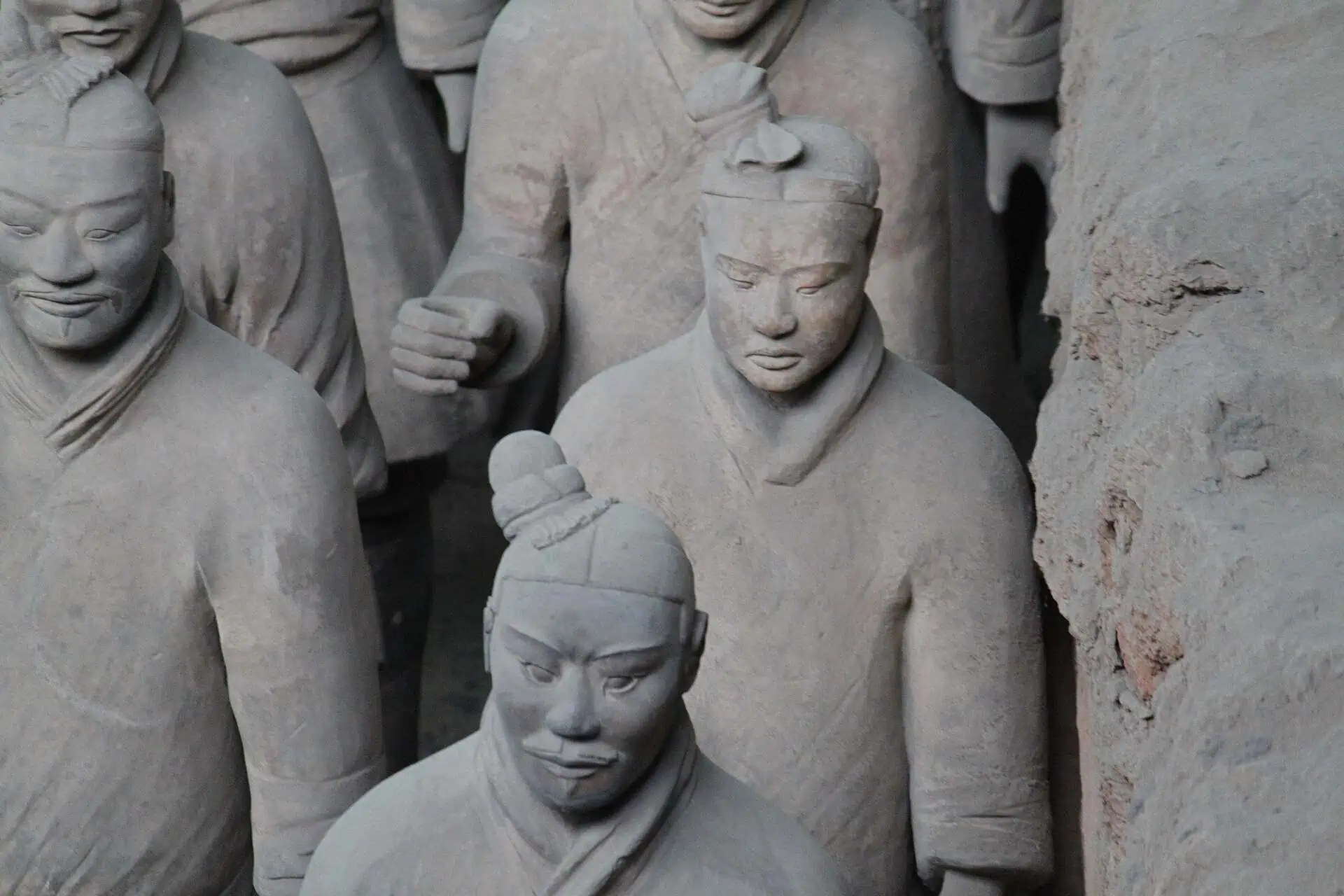
Terracotta Army
8,000 life-sized soldiers buried for China's First Emperor — and still on guard 2,200 years later.
Learn more →
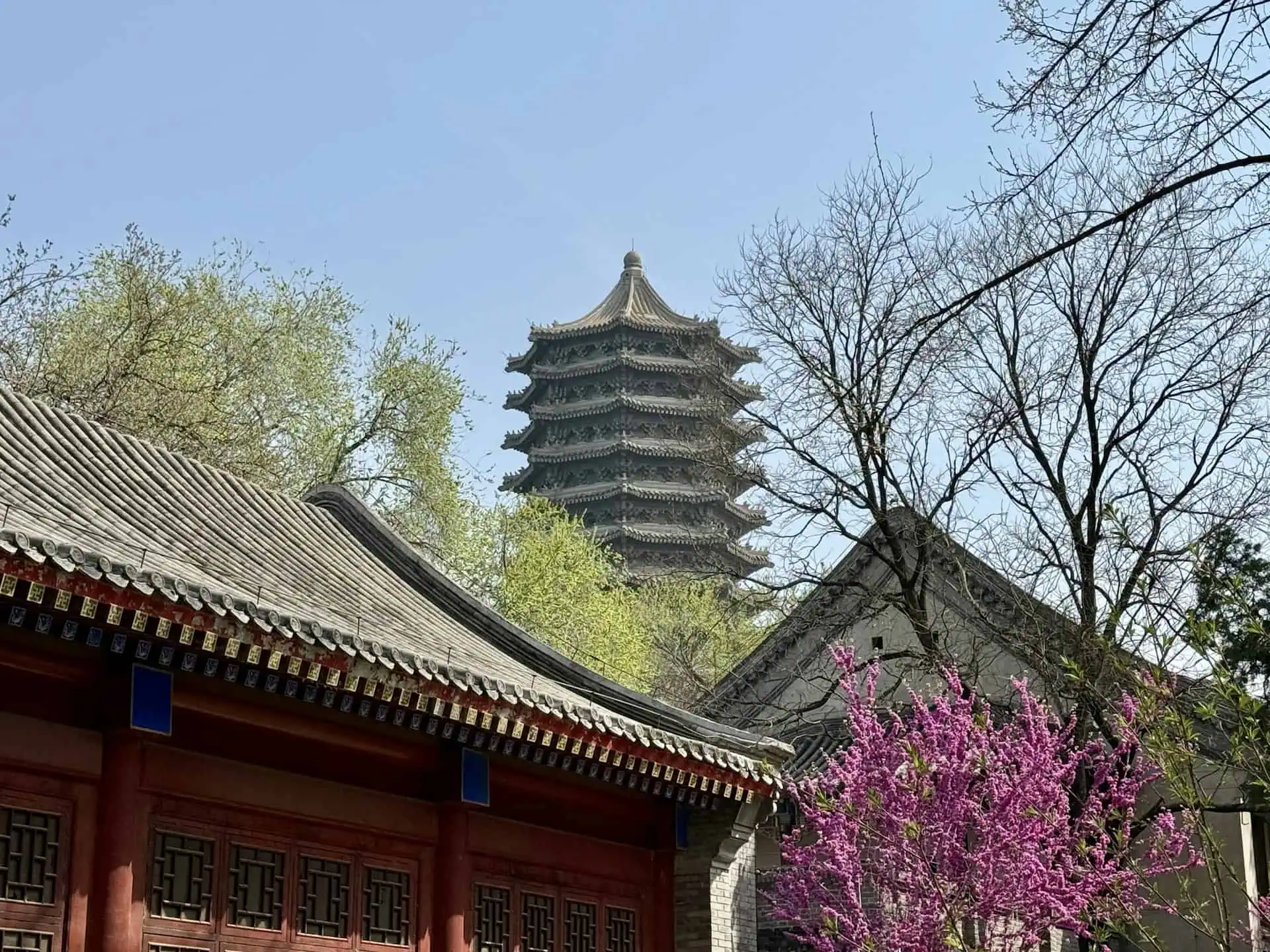
Qinglong Temple
The Tang temple that sent Buddhism to Japan in 804 AD — and still draws half of Xi'an every cherry blossom season.
Learn more →
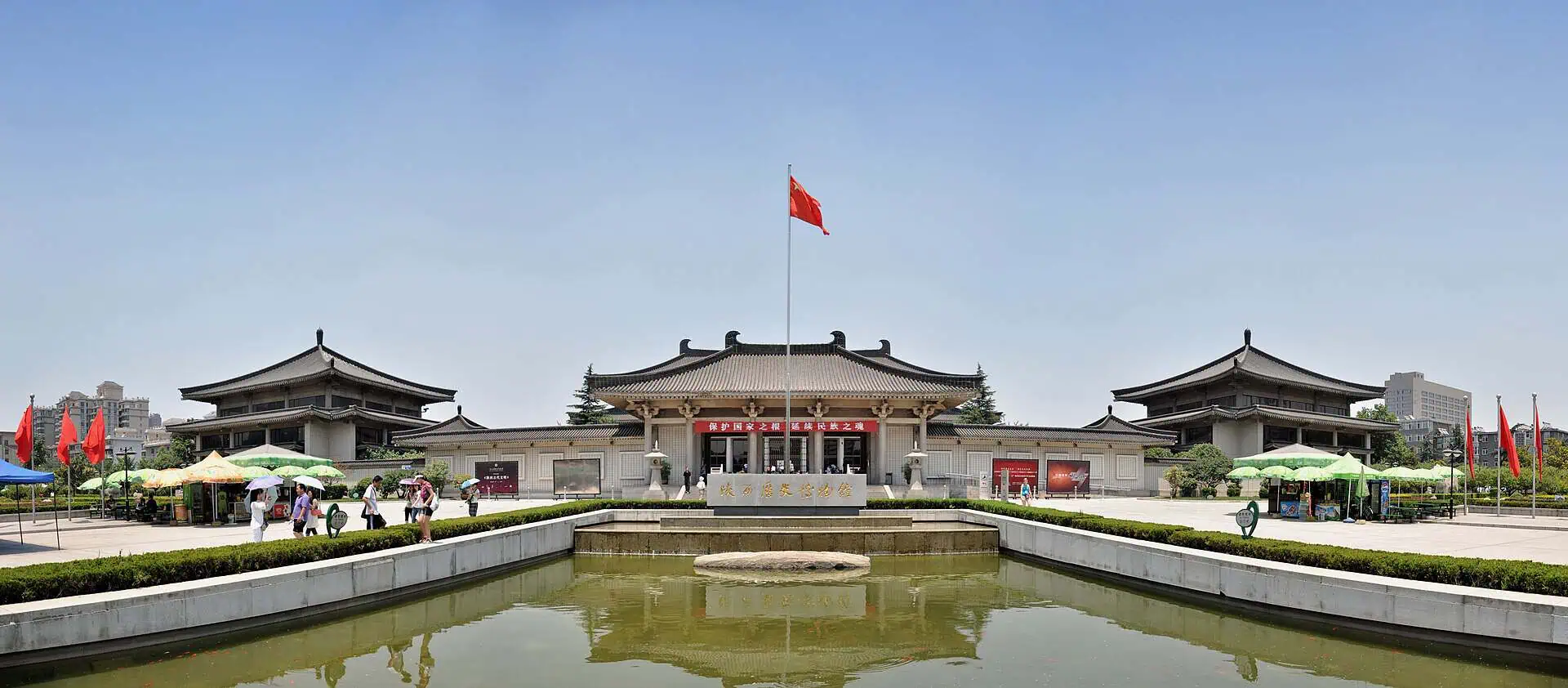
Shaanxi History Museum
Every layer of Xi'an's time stack under one roof — Zhou bronzes, Han gold and Tang treasure.
Learn more →
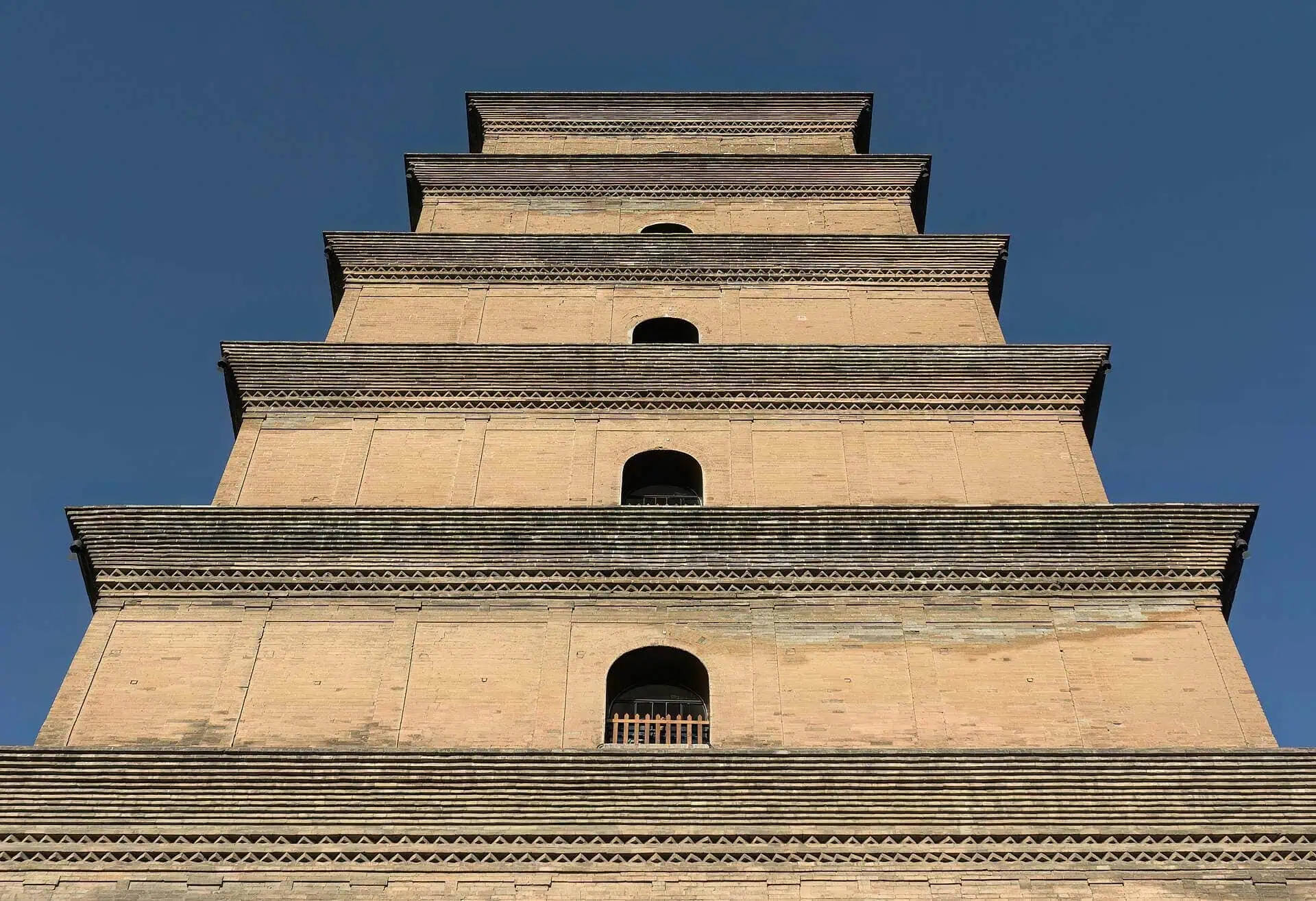
Big Wild Goose Pagoda
A Tang brick pagoda raised in 652 AD for a monk's 17-year journey to India — still Xi'an's defining landmark.
Learn more →
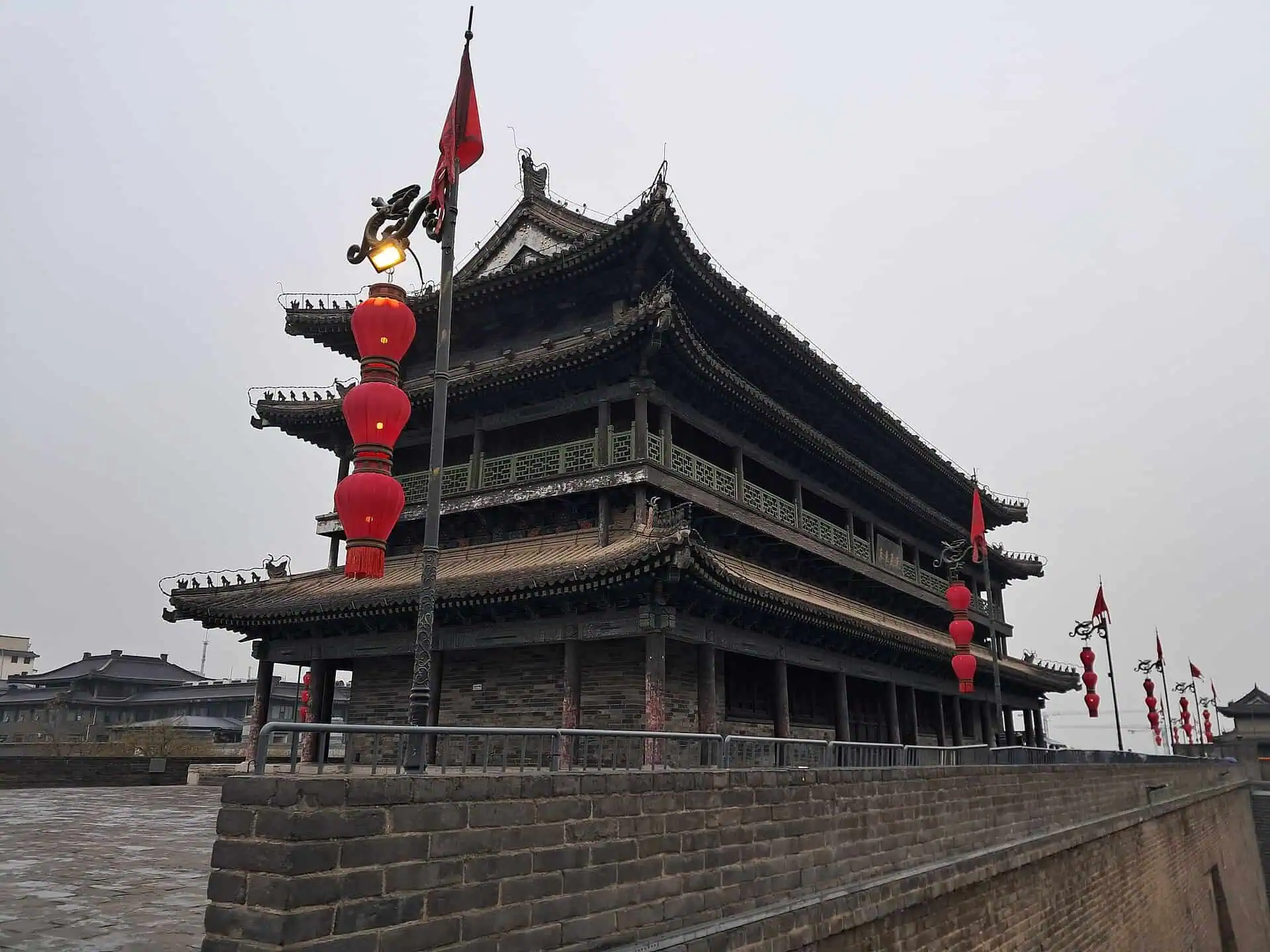
Xi'an City Wall
A 14-kilometer Ming dynasty rectangle you can cycle on top of — 650 years old and still the city's favorite commute.
Learn more →
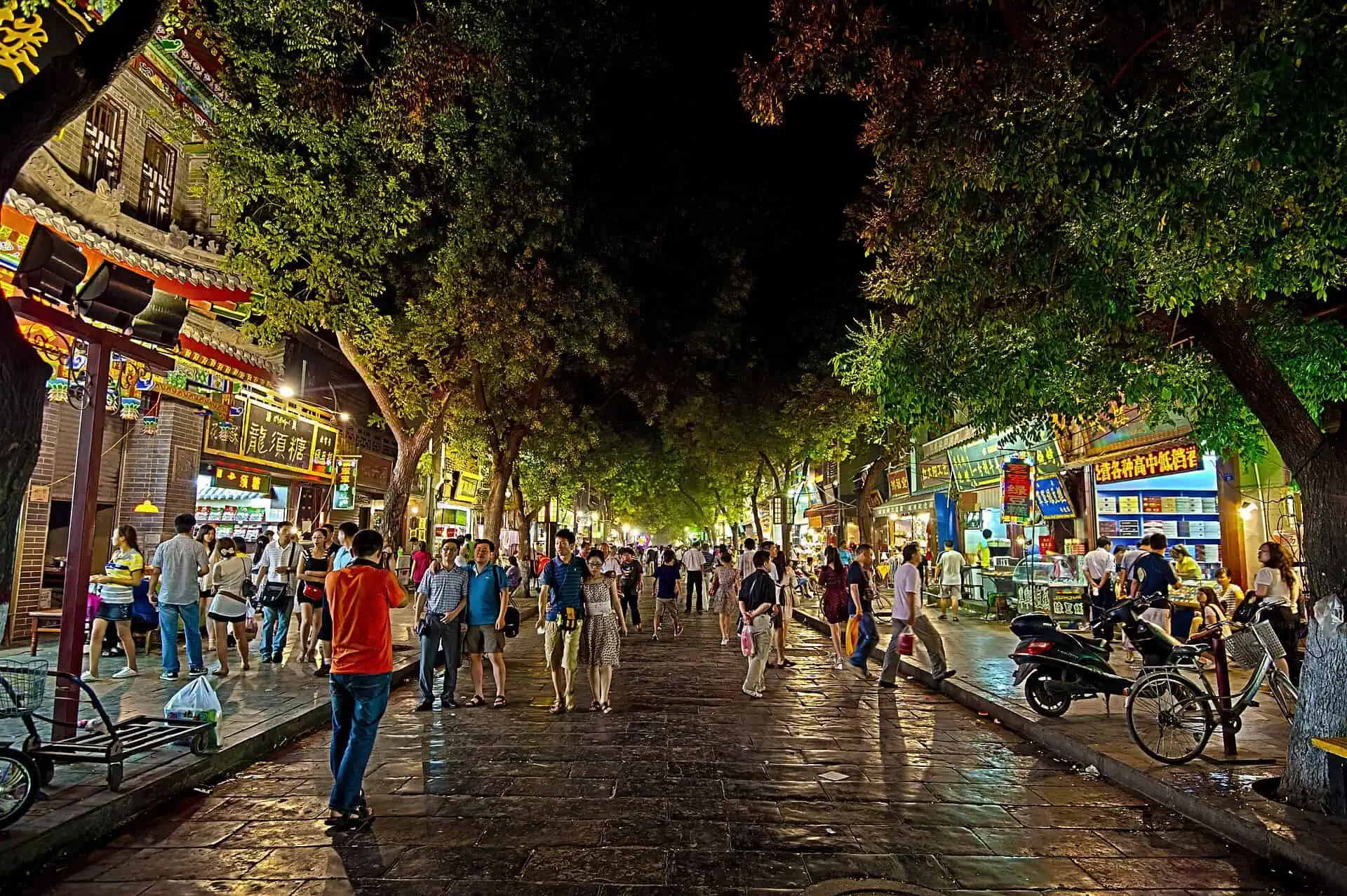
Muslim Quarter
Feeding Xi'an since the 700s — the loudest, smokiest, best-smelling streets of its Hui community.
Learn more →
Keep exploring
Visas & entry: do you need one?
Probably less paperwork than you fear — and two of the doors now have their own deep-dive packages: the 30-day visa-free entry (~50 countries) and the 240-hour transit (55 countries, including the US). This page is the router: work out which door is yours, then read its package.
The 240-hour visa-free transit, explained
Ten days in China without a visa, if you're just passing through — including Americans. The rules, the traps, and how to run it through Xi'an.
The 30-day visa-free entry: who gets in free
Around 50 countries can now enter China for up to 30 days with no visa at all — no transit logic, no onward-ticket games. Most of Europe, the UK, Canada, Australia and more. The US is not on the list.