Xi'an in winter: lantern festivals & lights (December–February)
Xi'an in winter is cold, dry and mostly crowd-free — and for about ten weeks around Chinese New Year it's also lit up like nowhere else in China. The City Wall Lantern Festival drapes giant illuminated sets across a 600-year-old rampart, the Tang quarter glows every night, and temple fairs fill the old town. Here's what the lights cost, when they run, and an honest take on the cold.
7 min read · 5 sections
What winter in Xi'an is really like
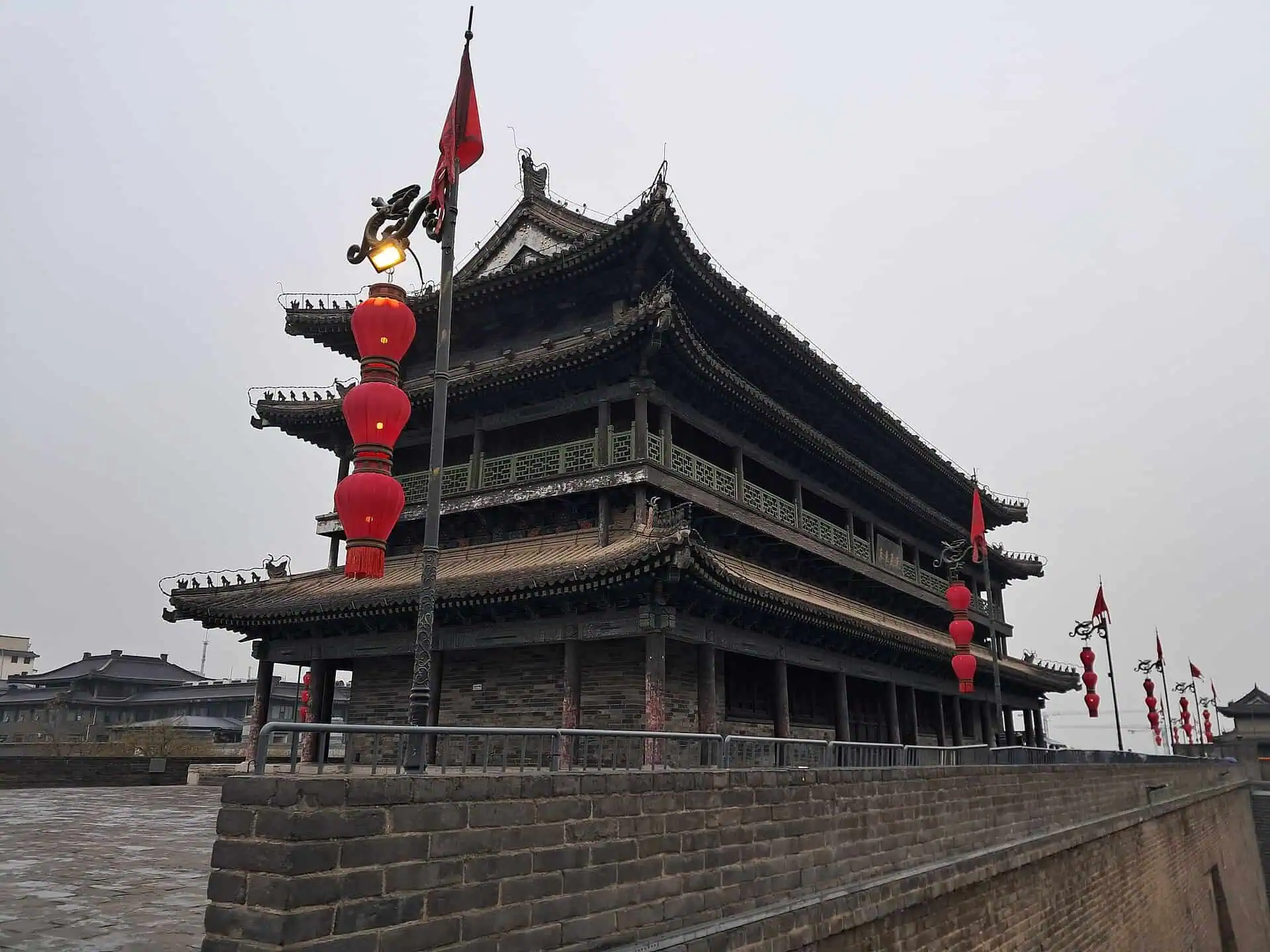
Let's do the honest part first. December through February in Xi'an means daytime highs around 0–8°C and nights below freezing. The cold is dry, which is the saving grace — a proper down coat, thermals and a hat make daytime sightseeing genuinely pleasant, and every hotel, museum and restaurant is heated (Xi'an sits north of the Qinling line, so buildings have central heating). Snow falls a few times a winter, rarely sticks, and turns the City Wall and pagodas into the best photos you'll take all trip.
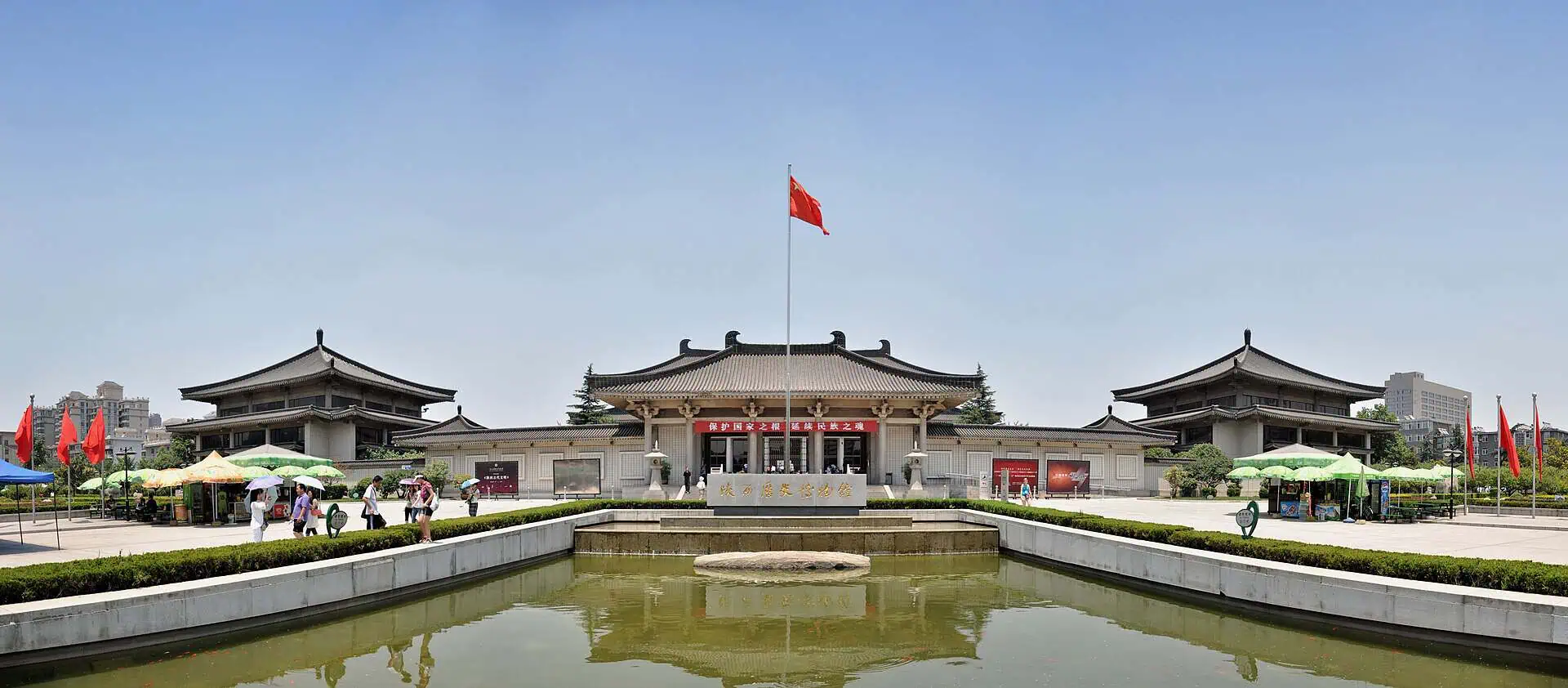
Two real downsides. Air quality can spike on still, cold days when the temperature traps haze over the Guanzhong plain — check an AQI app each morning and swap in indoor sights (the Shaanxi History Museum exists for exactly these days) when the number climbs. And Chinese New Year week is the exception to everything cheap and quiet — more on that below.
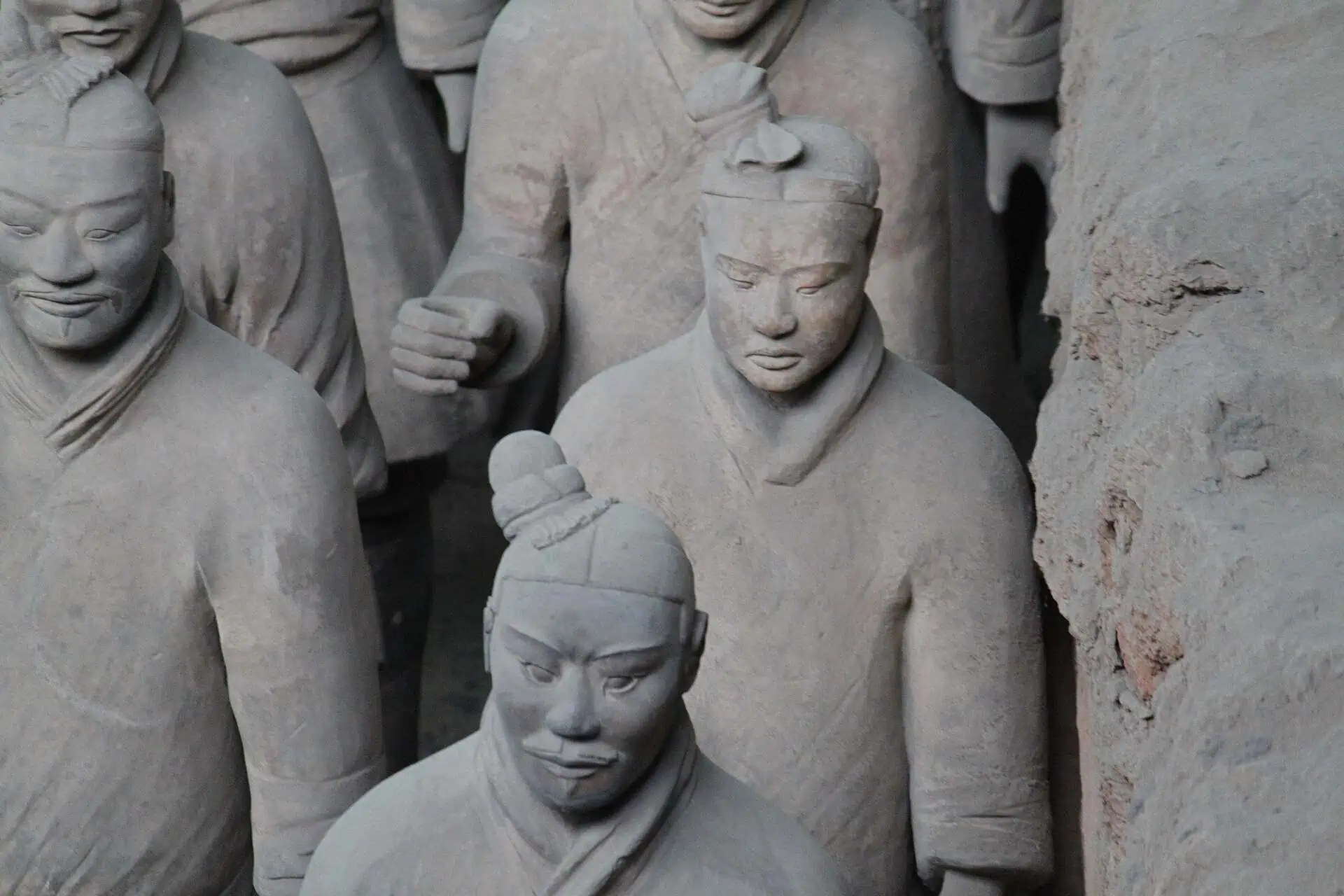
The upside is substantial: the Terracotta Army without queues, the wall nearly to yourself, and the lowest hotel prices of the year. Outside the New Year fortnight, winter is the budget traveler's season — see what a trip costs for the numbers.
The City Wall Lantern Festival
This is the main event. Every year around Chinese New Year, the City Wall hosts a lantern festival (城墙灯会, Chéngqiáng Dēnghuì) — enormous illuminated sets built directly on the ramparts: zodiac animals several stories tall, Tang court scenes, archways of red lanterns strung along the battlements. Recent editions have run under the umbrella branding "Chang'an Lantern Festival" (长安灯会, Cháng'ān Dēnghuì), which also covers Tang Paradise below.
The 2026 edition, for reference, ran January 1 to March 22 — lanterns lit from about 17:20 each evening — along the wall section between Hanguang Gate and Jianguo Gate plus the South Gate (永宁门, Yǒngníng Mén) area. Tickets were ¥100 for adults, ¥50 for children and students (early-bird discounts of ¥78/¥38 for booking ahead), with free entry for over-65s with ID. Regular wall admission is ¥54, so the festival roughly doubles the price — and it's worth it. Dates and prices shift year to year, so treat these as the shape of the thing and confirm the current season on the wall's official channels or your booking apps before you go. For the 2026–27 season, expect the same rough pattern: opening around New Year, running through Chinese New Year (February 6, 2027) and the Lantern Festival fifteen days after it.
Practical notes: go up at dusk (around 17:00) so you see the wall in daylight and watch the lanterns come on. The festival section is one-way crowd flow on peak nights; CNY week itself is the most crowded, and the weeks either side of it are far calmer with the full display still up. Dress for standing still in the wind on top of a wall in January — it's colder up there than at street level.
Tang Paradise and Ever-Bright City after dark
The wall isn't the only show. The whole Tang quarter south of the city center lights up nightly through winter, and it's the best evening walking in Xi'an in any season:
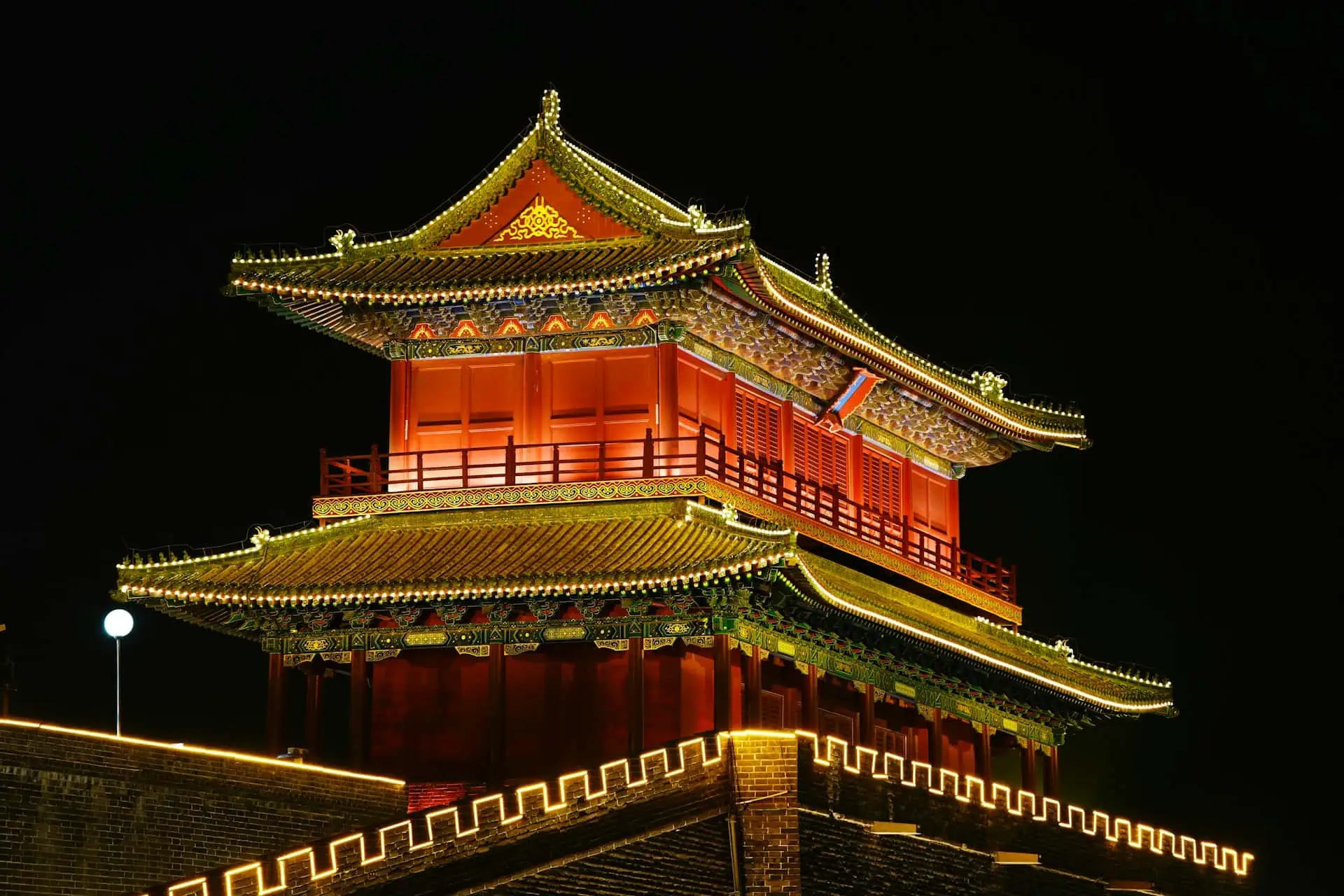
- Tang Paradise (大唐芙蓉园, Dàtáng Fúróngyuán) — the Tang-style imperial garden park beside the Big Wild Goose Pagoda hosts its own lantern fair as part of the Chang'an Lantern Festival, with illuminated pavilions reflected in the frozen-edged lake. In 2026 the festival tiers ran ¥60–120 depending on date and package; outside festival season the park is normally free with a reservation. Details in the Tang Paradise guide.
- Grand Tang Ever-Bright City (大唐不夜城, Dàtáng Bùyèchéng) — the free pedestrian boulevard running south from the Big Wild Goose Pagoda, lit end to end every night, with street performers, light shows and costumed crowds even in deep winter. The performers perform through the cold; the crowd thins, which is your gain. See the Ever-Bright City guide.
One evening covers all of it: pagoda square at dusk, Ever-Bright City heading south, Tang Paradise's lanterns as the finale if it's festival season. The entire route is flat, outdoor, and free apart from Tang Paradise — just add the down coat.
Chinese New Year and the temple fairs
If your dates land on Chinese New Year itself, you get a different city. The fortnight around the holiday brings temple fairs (庙会, miàohuì) — clusters of food stalls, folk performances and incense crowds at the old temples. Baxian An (八仙庵, Bāxiān Ān), the great Taoist temple in the east of the old town, draws enormous New Year crowds who come to burn the first incense of the year; the lanes around it fill with stalls. The Muslim Quarter keeps cooking straight through the holiday when much of Han-run China closes down — useful to know when you're hunting dinner on New Year's Day.
Two cautions for CNY travel. First, the country moves: hundreds of millions of journeys happen in the chunyun travel rush, so intercity trains sell out weeks ahead — book on 12306 or Trip.com the moment your dates are fixed. Second, Xi'an itself becomes one of China's top domestic destinations for the holiday, so the lantern festival and the Tang quarter are at absolute peak crowd in CNY week, and hotel prices jump accordingly. Our public holidays and crowds guide helps you decide whether the festival atmosphere is worth the surge.
Planning a winter trip
The winter decision comes down to which of two trips you want:
- Early December to mid-January (before the lantern rush): the emptiest, cheapest Xi'an of the year. No festival, but every sight to yourself and hotel rates at their floor. Best for travelers who prioritize the monuments and the budget.
- Lantern season (roughly New Year through early March): the full light show, coldest weather, and — during CNY week only — peak crowds and prices. The sweet spots are the weeks around the holiday fortnight: full lantern display, normal crowds.
Either way, pack a real down coat, thermal layers, lip balm and moisturizer (the dry air is relentless), and a couple of decent masks for hazy AQI days. Plan indoor anchors for the coldest days and keep evenings free for the lights. The best time to visit guide puts winter in context against the rest of the year, and a 3-day itinerary works as-is in winter — just start days a little later and end them at the lanterns.
Questions, answered
Is Xi'an worth visiting in winter?
Yes, if you dress for it. The cold is dry and manageable, hotels are at their cheapest, and the major sights are nearly empty — plus the City Wall Lantern Festival and the lit-up Tang quarter are worth a trip on their own. The main caveats are occasional poor air quality and the Chinese New Year crowd surge.
When is the Xi'an City Wall Lantern Festival?
It runs annually around Chinese New Year. The 2026 edition ran January 1 to March 22, lit from about 17:20 daily. For the 2026–27 season expect a similar January–March window spanning Chinese New Year (February 6, 2027) — confirm exact dates on official channels close to your trip.
How much are City Wall Lantern Festival tickets?
In 2026: ¥100 for adults, ¥50 for children and students, with early-bird prices of ¥78/¥38 and free entry for over-65s with ID. That's roughly double the regular ¥54 wall admission. Prices can change each season, so check when you book.
How cold is Xi'an in January?
Daytime highs around 0–5°C, nights below freezing, very little rain or snow. It's a dry cold — a down coat, thermals and a hat make it comfortable, and buildings north of the Qinling line have central heating. The wall's ramparts feel several degrees colder than street level.
Is Xi'an polluted in winter?
Air quality can spike on still cold days when haze settles over the Guanzhong plain, though it's far better than a decade ago. Check an AQI app each morning; on bad days, pivot to indoor sights like the Shaanxi History Museum and save the wall and lantern viewing for clear days.
Places in this story
Shaanxi History Museum
Every layer of Xi'an's time stack under one roof — Zhou bronzes, Han gold and Tang treasure.
Learn more →
Terracotta Army
8,000 life-sized soldiers buried for China's First Emperor — and still on guard 2,200 years later.
Learn more →
Xi'an City Wall
A 14-kilometer Ming dynasty rectangle you can cycle on top of — 650 years old and still the city's favorite commute.
Learn more →
Tang Paradise
A royal Tang garden reimagined in 2005 — artificial, enormous, and genuinely beautiful after dark.
Learn more →
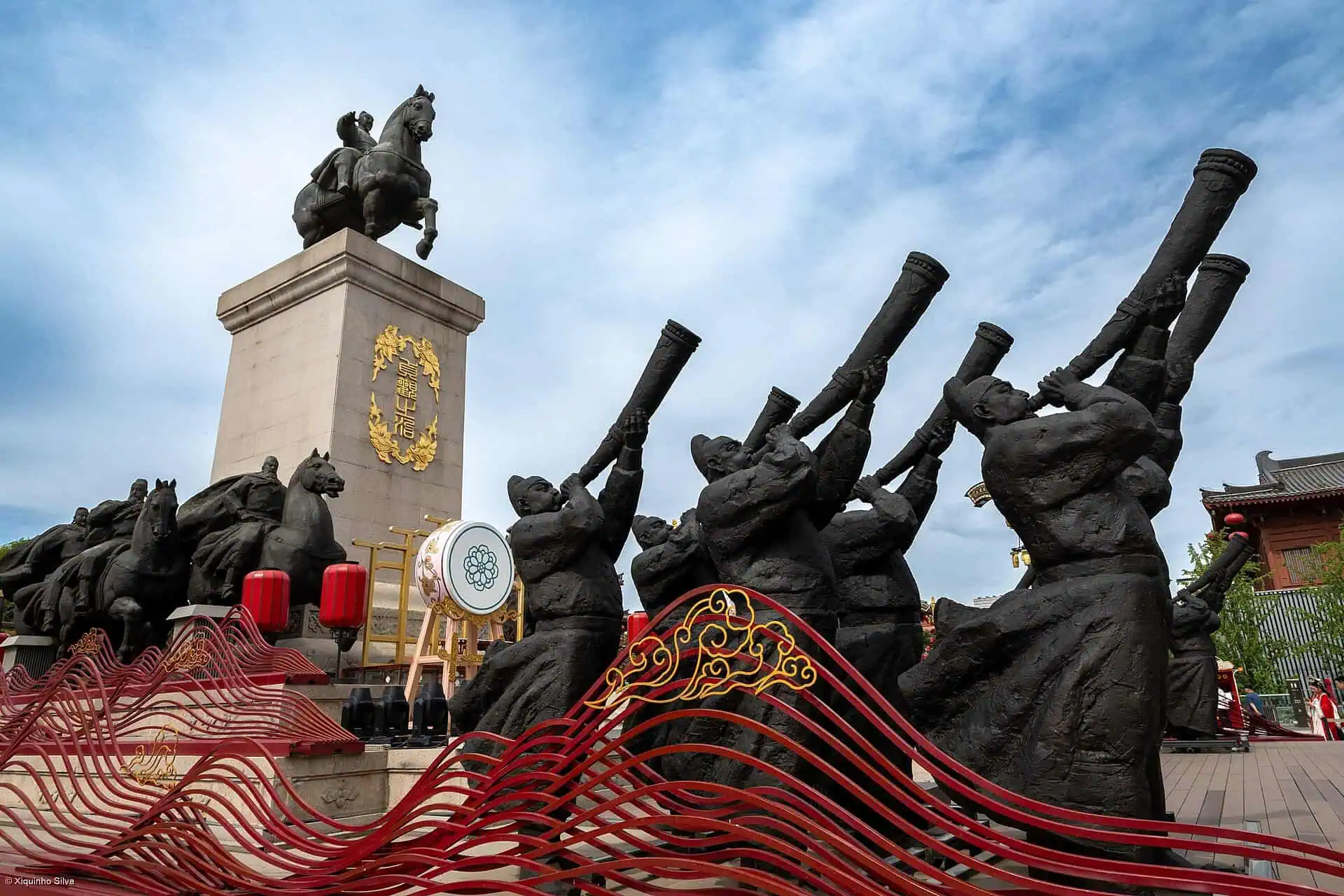
Grand Tang Ever-Bright City
Two kilometers of free, floodlit Tang dynasty spectacle — the golden age, rebooted nightly.
Learn more →
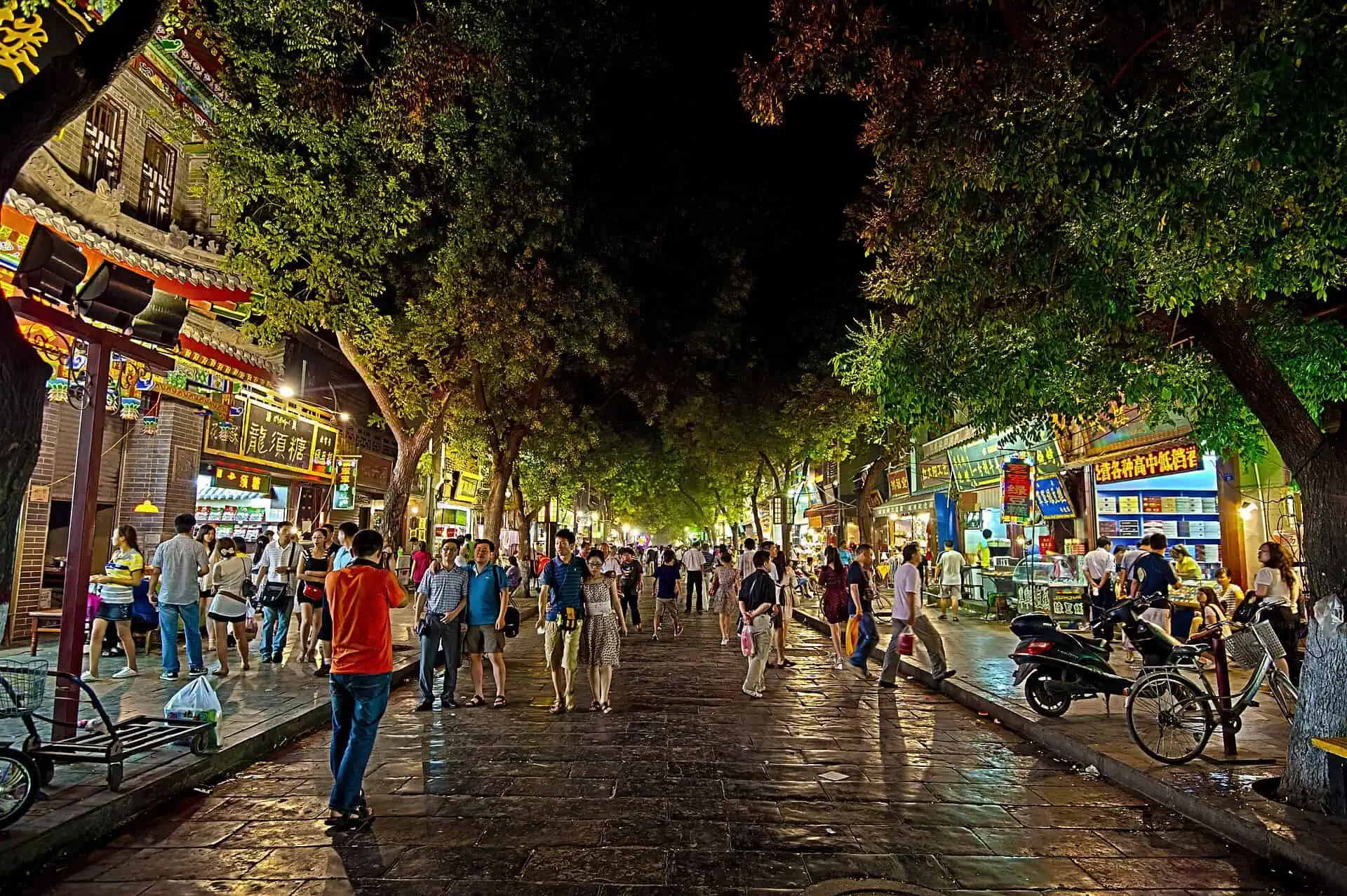
Muslim Quarter
Feeding Xi'an since the 700s — the loudest, smokiest, best-smelling streets of its Hui community.
Learn more →
Keep exploring
Hanfu costume rental & photoshoot guide
Renting a Tang-style costume and having your photo taken against 1,300-year-old backdrops is Xi'an's signature tourist experience — and unlike most signature tourist experiences, it's actually good value. A full outfit with hair and makeup runs ¥100–300, the streets are so used to costumed visitors that nobody bats an eye, and the night scenery does the heavy lifting. Here's how to do it without getting upsold.
Tang Dynasty show & dumpling banquet — worth it?
The Tang Dynasty Palace dinner show is Xi'an's longest-running tourist evening: a dumpling banquet followed by an hour of Tang court music and dance in a plush theater. It's polished, comfortable and unashamedly aimed at visitors — and whether it's ¥400 well spent depends entirely on who you are. Families and first-time visitors to China tend to love it; travelers chasing the raw and local should spend the evening at Ever-Bright City for free instead.
Xi'an at night: lights, shows & evening walks
Xi'an is a different city after dark — Tang-style streetscapes floodlit gold, a pagoda floating over fountain shows, gate towers glowing above the moat. The best of it is free: the Grand Tang Ever-Bright City pedestrian street alone is worth an evening, and the pagoda fountain show costs nothing. Add a late dinner in the Muslim Quarter and, in season, the open-air Song of Everlasting Sorrow, and your nights may outshine your days.