Chang'an in the Tang dynasty: the world's greatest city
A million people inside a 36-km wall circuit, 108 walled wards, two great markets, Persian silver in the shops and poetry on the wine-house walls — for three centuries Chang'an was the largest and most international city on Earth. How it worked, why it fell, and what it left in modern Xi'an's streets.
A city drawn with a ruler
Tang Chang'an was not a city that grew — it was a city that was drawn. In 582 the Sui (隋, Suí) dynasty, fresh from reunifying China after centuries of division, ordered a brand-new capital laid out on open ground southeast of the ruined Han city. The engineer Yuwen Kai (宇文恺, Yǔwén Kǎi) delivered a perfect rectangle: a palace city at the north, an administrative city below it, and a grid of walled residential wards served by avenues up to 150 meters wide. The Tang (唐, Táng) took the city over in 618 and restored its old name, Chang'an (长安, Cháng'ān) — "Perpetual Peace." The walls ran about 36 km around some 84 square kilometers: at the time, the largest deliberately planned city ever built, and the model later copied for Japan's capitals at Nara and Kyoto.
A million people, one curfew
At its eighth-century peak, around a million people lived inside those walls, with more in the suburbs — by most estimates the largest city in the world, ahead of Baghdad and Constantinople. It was also one of the most controlled. Each of the 108 wards was walled, and its gates closed at nightfall; drums signaled the evening curfew, and being caught in the streets after dark meant a beating from the ward patrols. Commerce was corralled into two government-run markets — the East Market (东市, Dōngshì) for domestic luxury goods, the West Market (西市, Xīshì) for the international trade — which opened at noon and closed at dusk by official order. The point was order: this was the emperor's showcase, and it was run like one.
The most international city on Earth
Walk through the West Market around 750 and you'd hear a dozen languages. Sogdian (粟特, Sùtè) merchants from Samarkand ran the caravan trade; Persian (波斯, Bōsī) silver and Arab goods — the Tang called the Arabs Dashi (大食, Dàshí) — moved through shops that accepted foreign coin. Turkic generals commanded Tang armies; Korean and Japanese students filled the imperial academy; the Japanese monk Kukai (空海, Kōnghǎi) mastered Esoteric Buddhism at Qinglong Temple and carried it home to found Japan's Shingon school. Religions operated openly: Buddhist monasteries in every other ward, Zoroastrian and Manichaean temples, and a Nestorian Christian church whose story is carved on a stele of 781 — you can read it today in the Forest of Steles. Foreigners ran the wine shops, the wine shops set the fashions, and the court copied both. The full trade story is in Xi'an and the Silk Road.
The city of poets
Tang Chang'an ran on poetry the way modern cities run on email. Passing the imperial examinations meant composing regulated verse; officials, courtiers and singing girls traded poems at banquets; famous lines were copied onto wine-house walls within days. Li Bai (李白, Lǐ Bái) drank and dazzled at the capital in the 740s, writing the era's swagger; Du Fu (杜甫, Dù Fǔ) spent a grinding decade there failing examinations and writing the era's conscience; Bai Juyi (白居易, Bái Jūyì) looked down from a temple terrace and saw the wards below laid out like a chessboard — the single best eyewitness image of the grid. No other city in world history left a literary portrait this complete: thousands of Tang poems are set in Chang'an, and Chinese schoolchildren still begin with them.
Buddhism's golden age
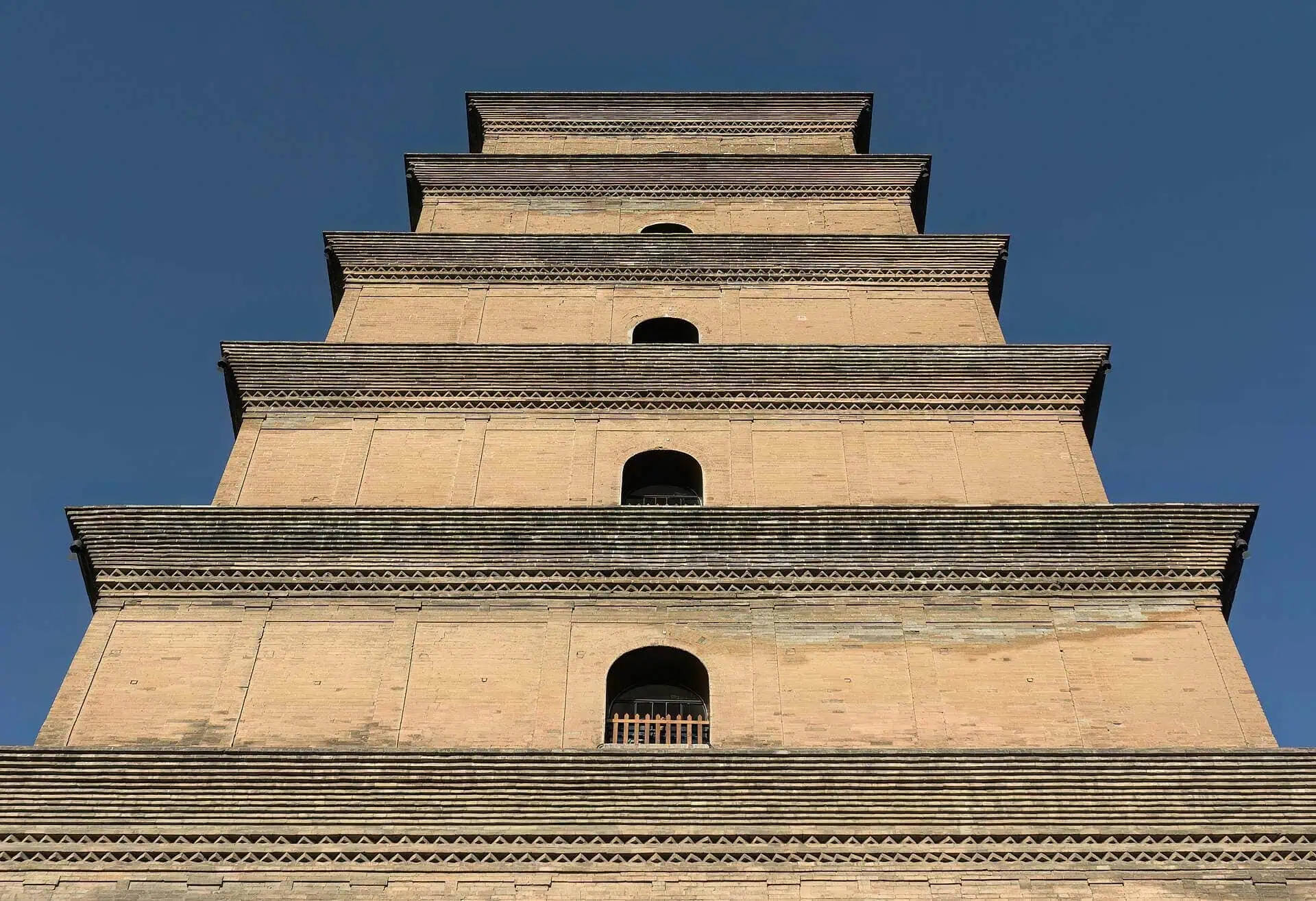
The monk Xuanzang (玄奘, Xuánzàng) slipped out of Chang'an in 629 on an unauthorized pilgrimage to India and returned in 645 with 657 sutras and a hero's welcome. The Big Wild Goose Pagoda went up in 652 to house his library, and his state-funded translation bureau set the standard for Chinese Buddhism. The Small Wild Goose Pagoda followed half a century later for another translator-monk's texts. Esoteric masters taught at Qinglong Temple, emperors kept chapels inside the palace, and at mid-century the city held dozens of active monasteries. When you climb the Big Wild Goose Pagoda today, you're inside the most important Buddhist building project of the age.
An Lushan, and the long fall
In 755 the frontier general An Lushan (安禄山, Ān Lùshān) — himself of Sogdian descent — rebelled, and by 756 his troops were at the gates. The aged Emperor Xuanzong (唐玄宗, Táng Xuánzōng) fled toward Sichuan; his escort mutinied at Mawei (马嵬, Mǎwéi) and forced the death of his beloved consort Yang Guifei (杨贵妃, Yáng Guìfēi), the tragedy Chinese poets have retold ever since — the romance that Huaqing Palace, the couple's hot-spring retreat, still trades on. The dynasty clawed the capital back with Uyghur cavalry, but never truly recovered: warlords kept the provinces, palace eunuchs ran the court. In 881 the rebel Huang Chao (黄巢, Huáng Cháo) sacked the city again, and in 904 the warlord Zhu Wen (朱温, Zhū Wēn) forced the court east to Luoyang, demolished the palaces and floated the timber down the Wei River (渭河, Wèihé) to build his own capital. Chang'an's thousand-year run at the center of China was over for good.
What the Tang left in the street grid
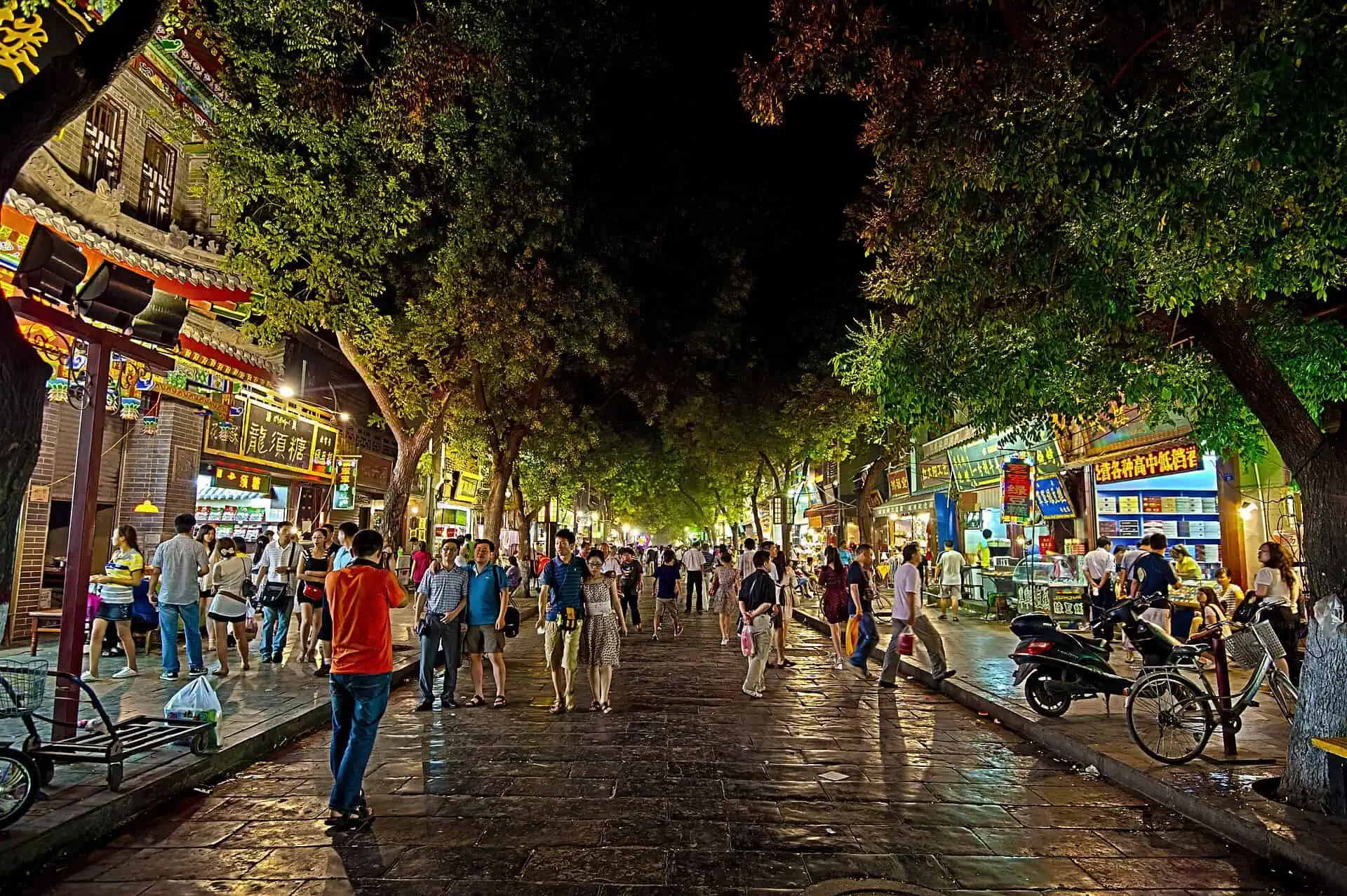
Stand on the city wall and you're actually well inside Tang Chang'an: the Ming wall, built in the 1370s, wraps only the old administrative core — the Tang city sprawled far beyond it, south and west. The modern grid still carries Tang lines: Zhuque Street (朱雀大街, Zhūquè Dàjiē) runs south from the wall along the Tang central axis, and the blocks south of the center still break along old ward seams. The rest is memory made park. The Daming Palace site — the vast northeastern palace where Tang emperors actually lived and ruled, more than three times the size of Beijing's Forbidden City — is now an archaeological park. The Qujiang Pool district and Tang Paradise rebuild the Tang pleasure gardens as theme park, and the Grand Tang Ever Bright City pedestrian street — gaudy, crowded and genuinely fun after dark — is modern Xi'an's love letter to its greatest era.
Where to see this today
- Big Wild Goose Pagoda: Xuanzang's library, standing since 652 — the essential Tang building.
- Small Wild Goose Pagoda: the quieter twin, with the Xi'an Museum in its temple grounds.
- Daming Palace: the palace-park over the empire's real seat of power — best at dusk.
- Forest of Steles: the 781 Nestorian Stele and the Tang-carved Confucian classics — Chang'an in stone.
- Shaanxi History Museum: Tang gold, Sogdian figurines and tomb murals — the city's material life under one roof (free; book a timed slot).
- Huaqing Palace: Xuanzong and Yang Guifei's hot-spring retreat at the foot of Mount Li.
- Grand Tang Ever Bright City: the fantasy version — come after dark and treat it as street theater.
Questions, answered
How big was Tang dynasty Chang'an?
About 84 square kilometers inside a wall circuit of roughly 36 km, laid out as a grid of 108 walled wards plus two official markets. Population at the eighth-century peak is usually estimated near one million inside the walls — the largest city in the world at the time.
Was Chang'an really the largest city in the world?
At its Tang peak, most scholars say yes — ahead of Baghdad and Constantinople. Ancient population figures are estimates, but no rival city of the era matches Chang'an's combination of size (84 km² walled) and documented density.
Why was Tang Chang'an so cosmopolitan?
It was the eastern terminus of the Silk Road, and early Tang policy welcomed the traffic: Sogdian, Persian and Arab merchants, Turkic soldiers, Japanese and Korean monks and students all settled there. Foreign religions — Zoroastrianism, Manichaeism, Nestorian Christianity — operated openly alongside Buddhism. Suspicion grew after the An Lushan rebellion of 755, but the cosmopolitan centuries were already history.
Why did Chang'an stop being China's capital?
The An Lushan rebellion broke Tang power in 755, Huang Chao's rebels sacked the city in 881, and in 904 the warlord Zhu Wen forced the court to Luoyang and demolished the palaces. After the Tang fell in 907 no dynasty moved back — the over-farmed Guanzhong plain could no longer feed a capital cheaply, and China's economic center had shifted southeast.
Can you still see Tang Chang'an in modern Xi'an?
Yes — the Big and Small Wild Goose Pagodas are original Tang buildings, the Daming Palace site is an archaeological park, the Forest of Steles holds Tang-carved texts, and the modern street grid south of the Ming wall still follows Tang avenues. Zhuque Street runs along the old central axis.
Places in this story
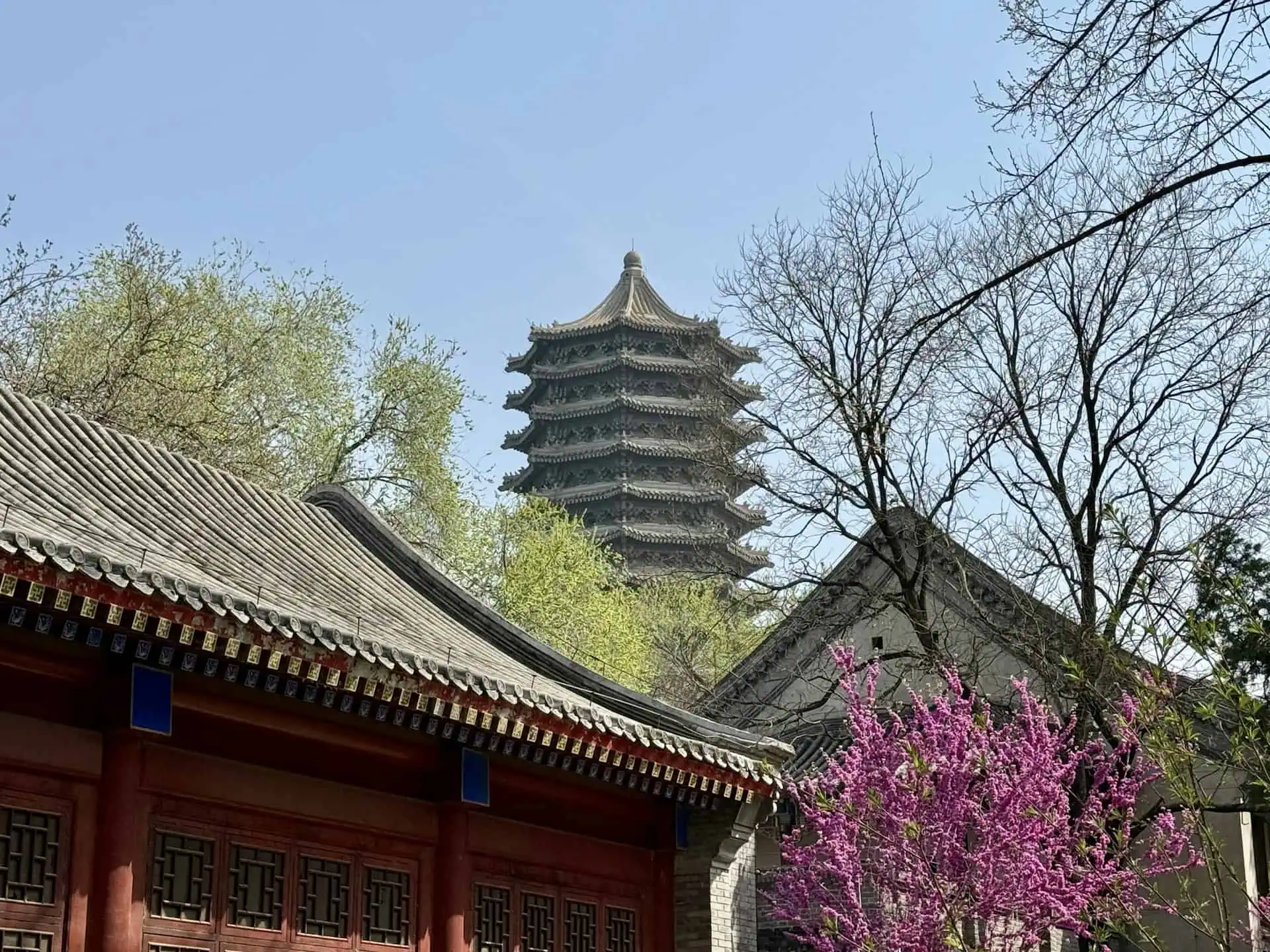
Qinglong Temple
The Tang temple that sent Buddhism to Japan in 804 AD — and still draws half of Xi'an every cherry blossom season.
Learn more →
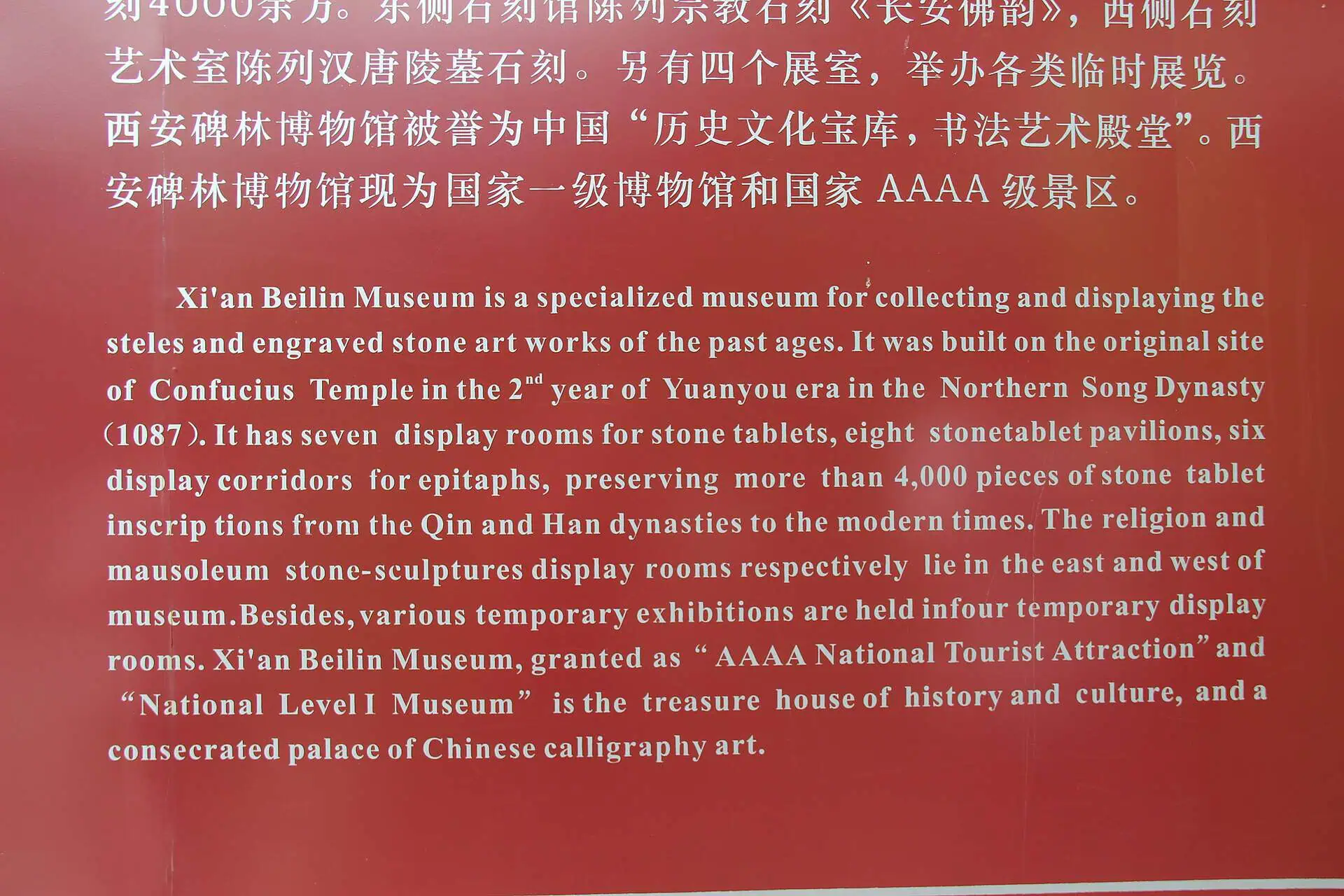
Forest of Steles (Beilin Museum)
Stone books since 1087 — nearly 3,000 steles, and the home of Chinese calligraphy itself.
Learn more →
Big Wild Goose Pagoda
A Tang brick pagoda raised in 652 AD for a monk's 17-year journey to India — still Xi'an's defining landmark.
Learn more →
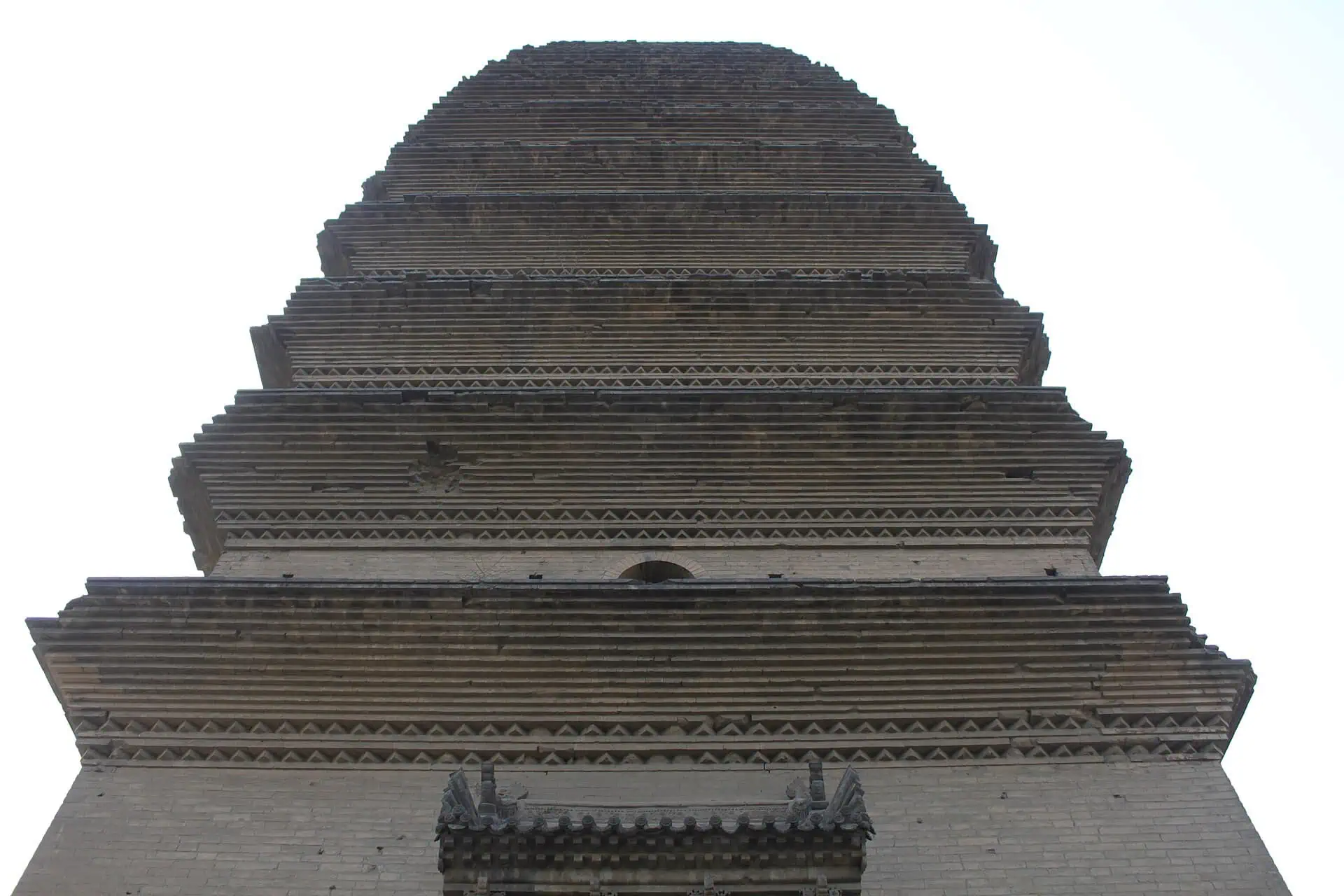
Small Wild Goose Pagoda & Xi'an Museum
A Tang pagoda from 707 AD that outlasted China's deadliest earthquake — free, calm, and half the crowds.
Learn more →
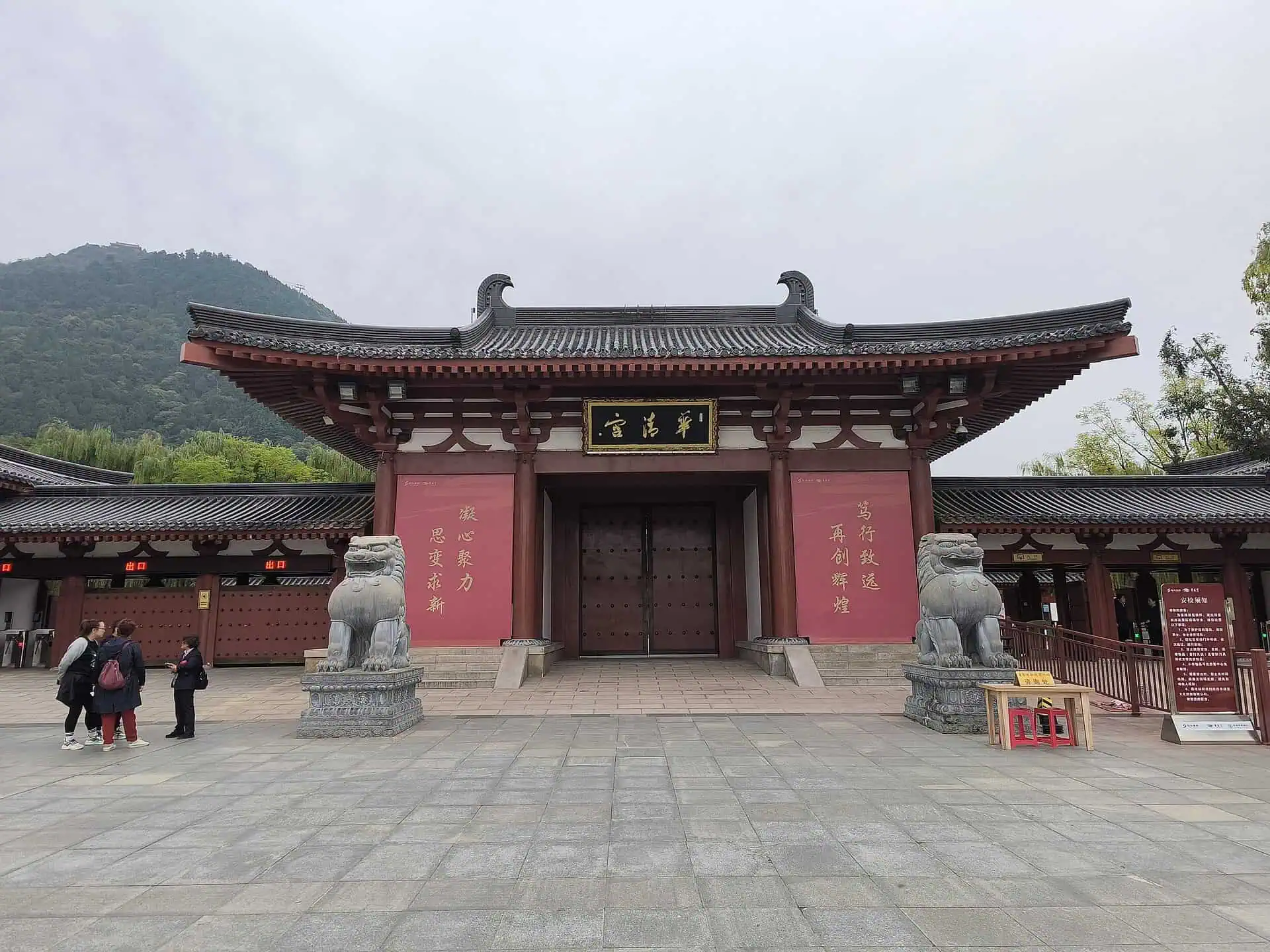
Huaqing Palace & Hot Springs
Tang emperors soaked here in the 700s — China's most famous love story, and the site of a 1936 kidnapping that changed the country.
Learn more →
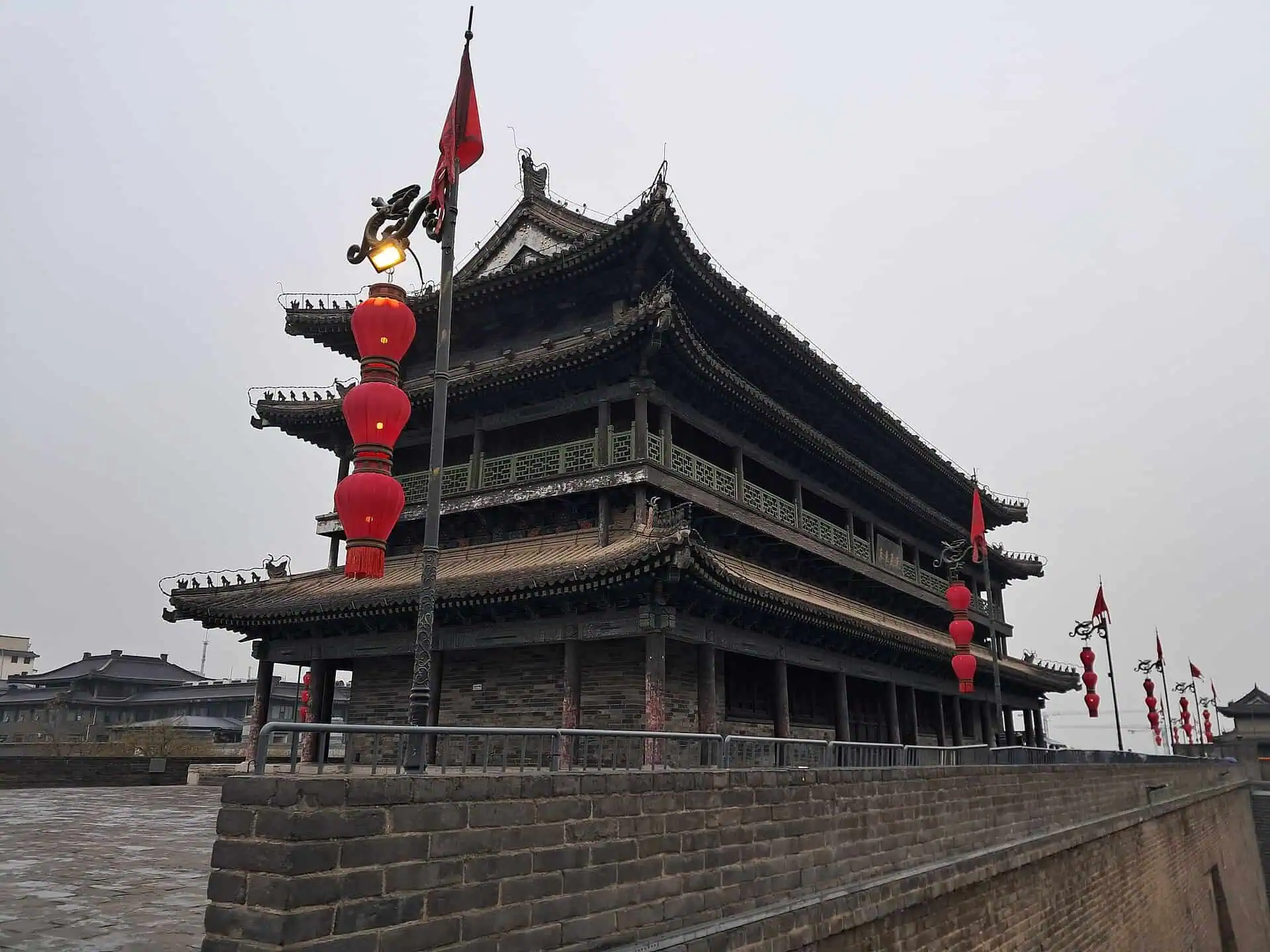
Xi'an City Wall
A 14-kilometer Ming dynasty rectangle you can cycle on top of — 650 years old and still the city's favorite commute.
Learn more →
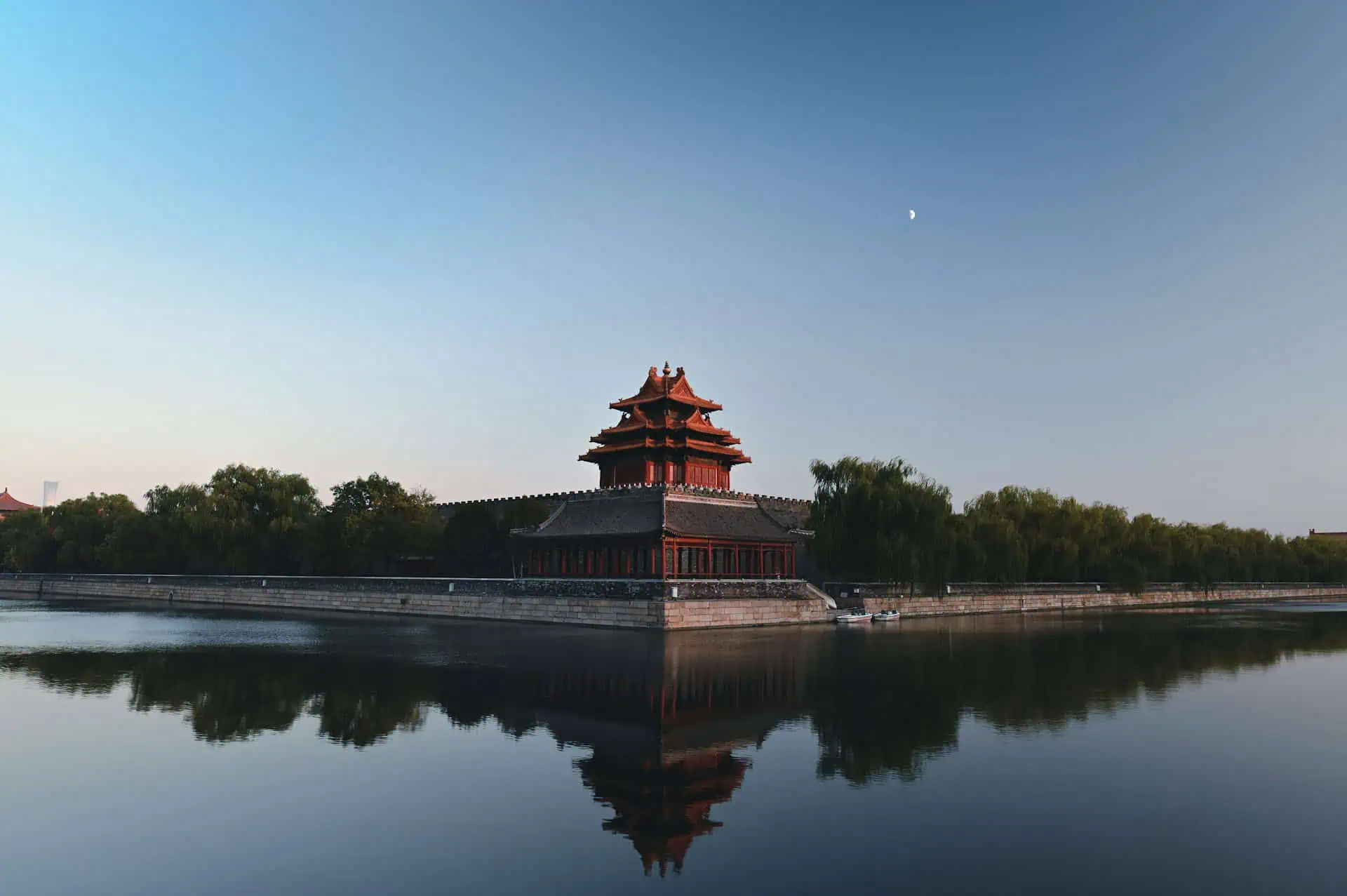
Daming Palace National Heritage Park
The Tang ruled an empire from here starting in 634 AD — a palace 4.5 times the Forbidden City, now foundations in a very large park.
Learn more →
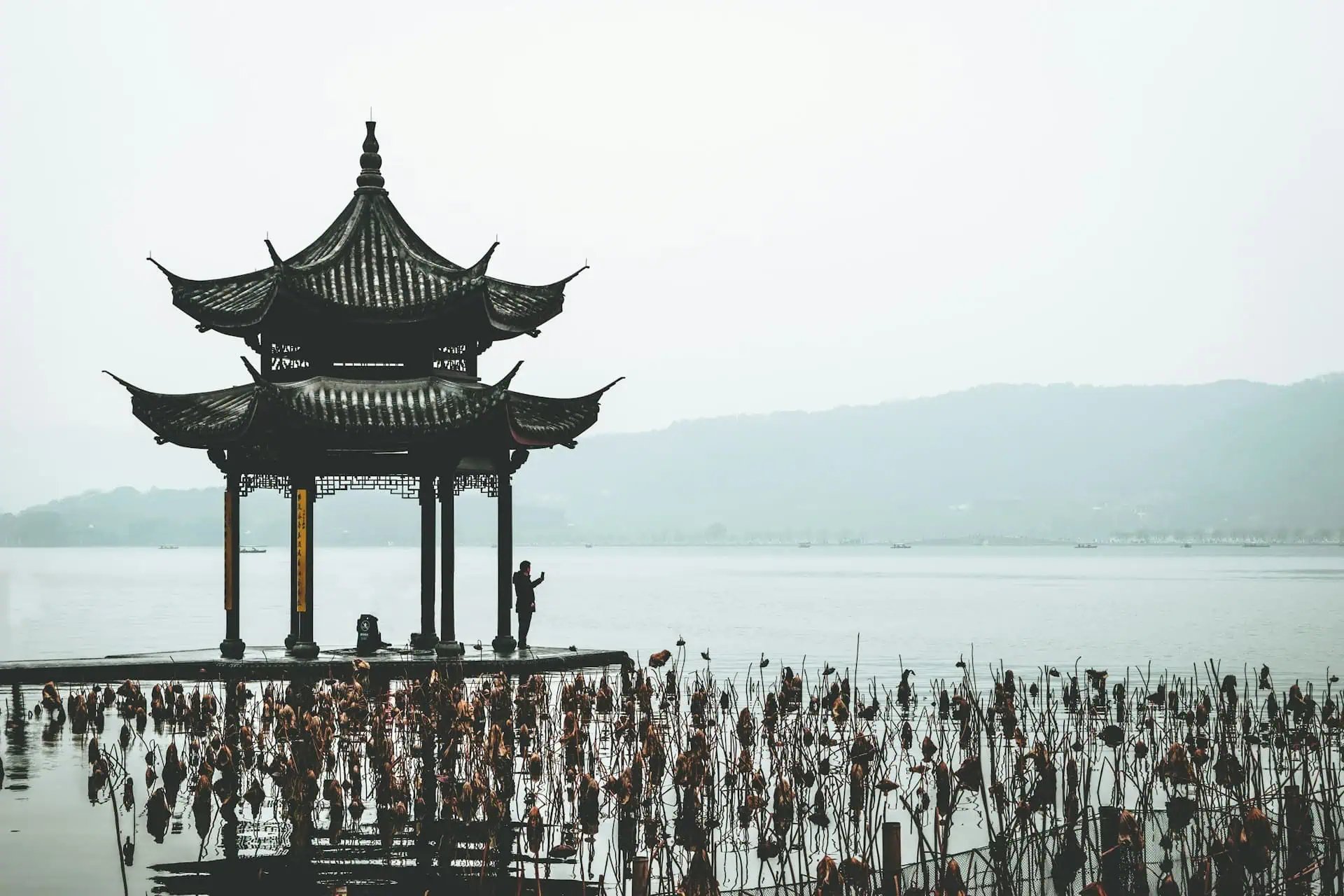
Qujiang Pool Heritage Park
The Tang dynasty's favorite party lake, lost for a thousand years and refilled in 2008 — evening jogs and poetry-stone sunsets.
Learn more →
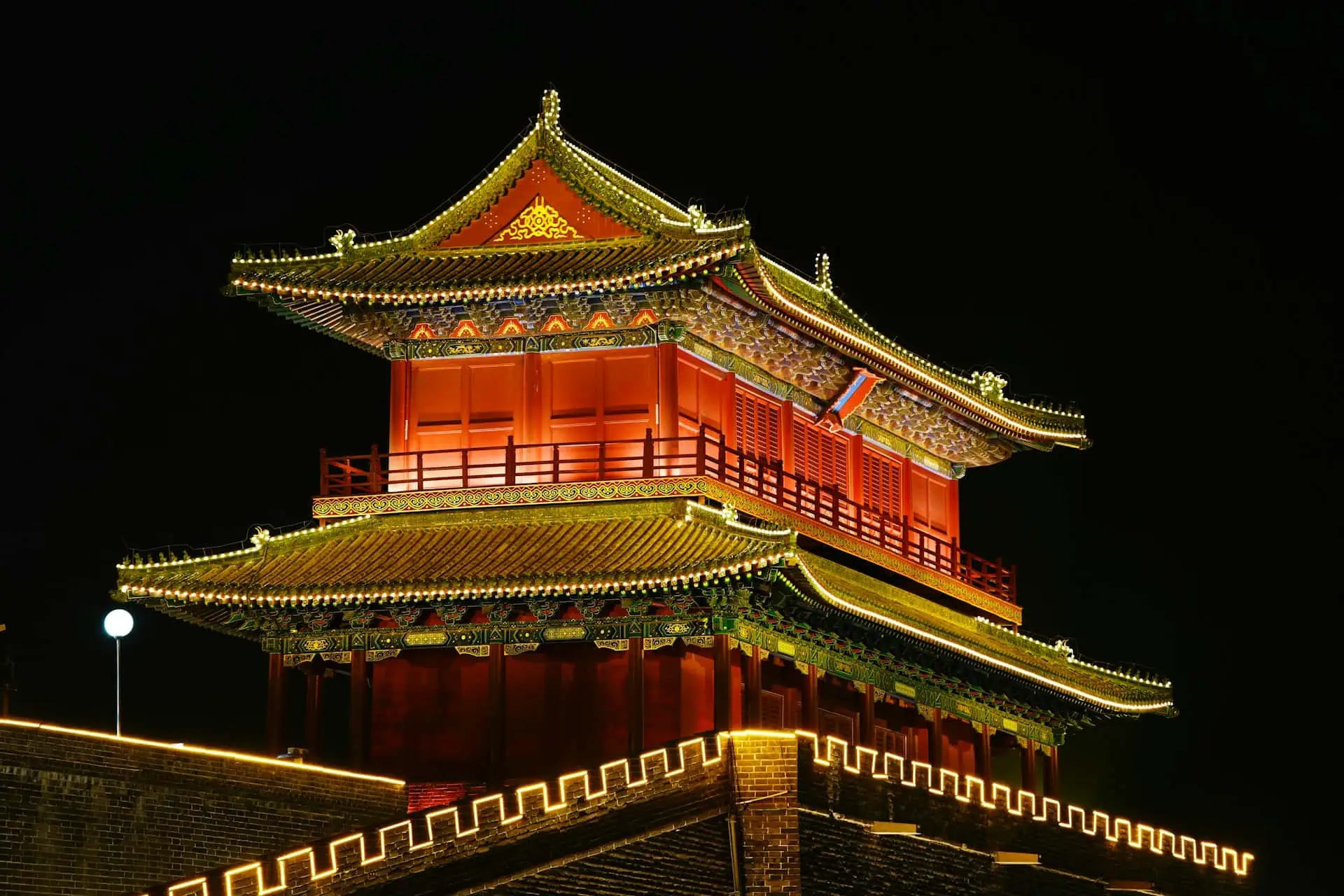
Tang Paradise
A royal Tang garden reimagined in 2005 — artificial, enormous, and genuinely beautiful after dark.
Learn more →
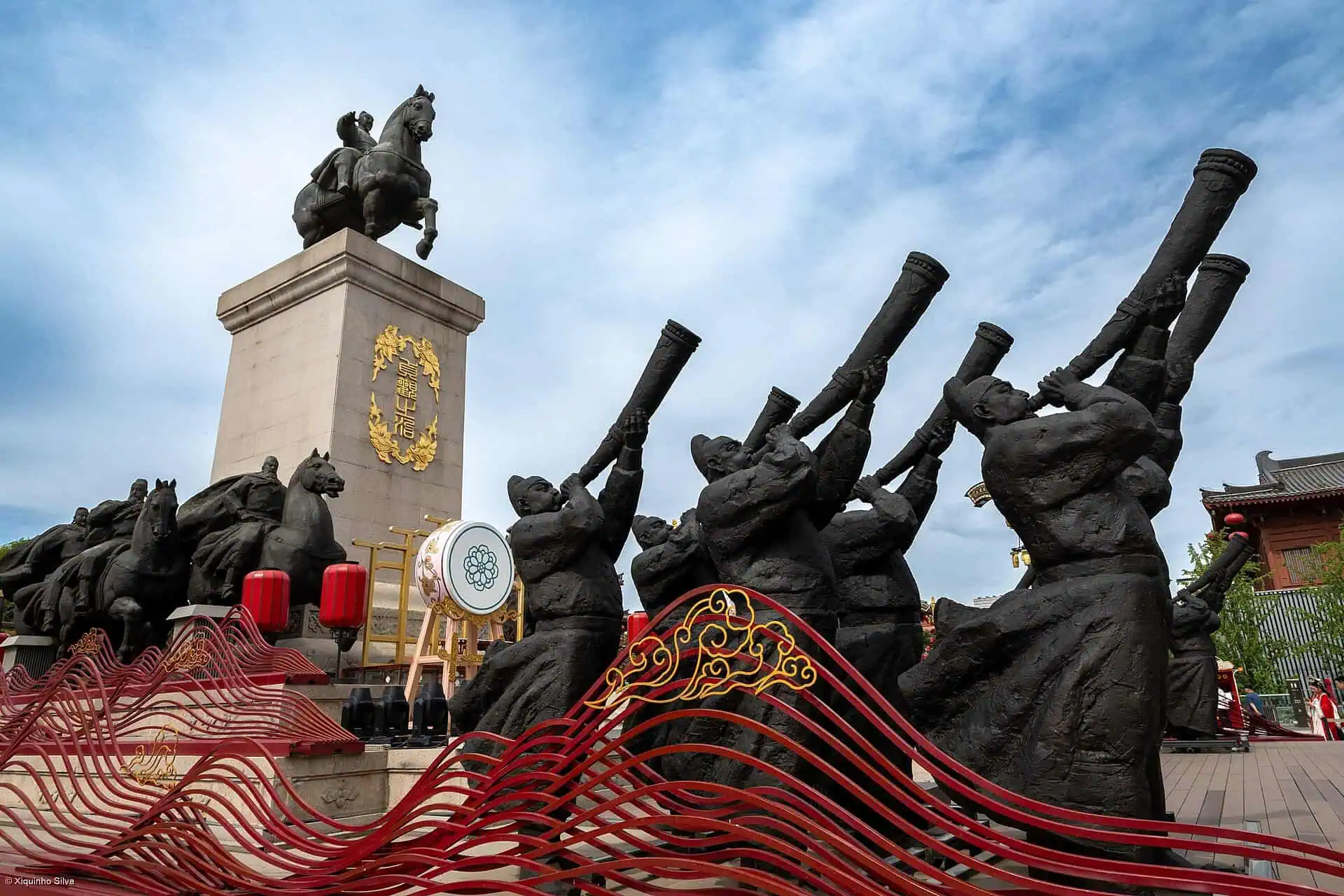
Grand Tang Ever-Bright City
Two kilometers of free, floodlit Tang dynasty spectacle — the golden age, rebooted nightly.
Learn more →
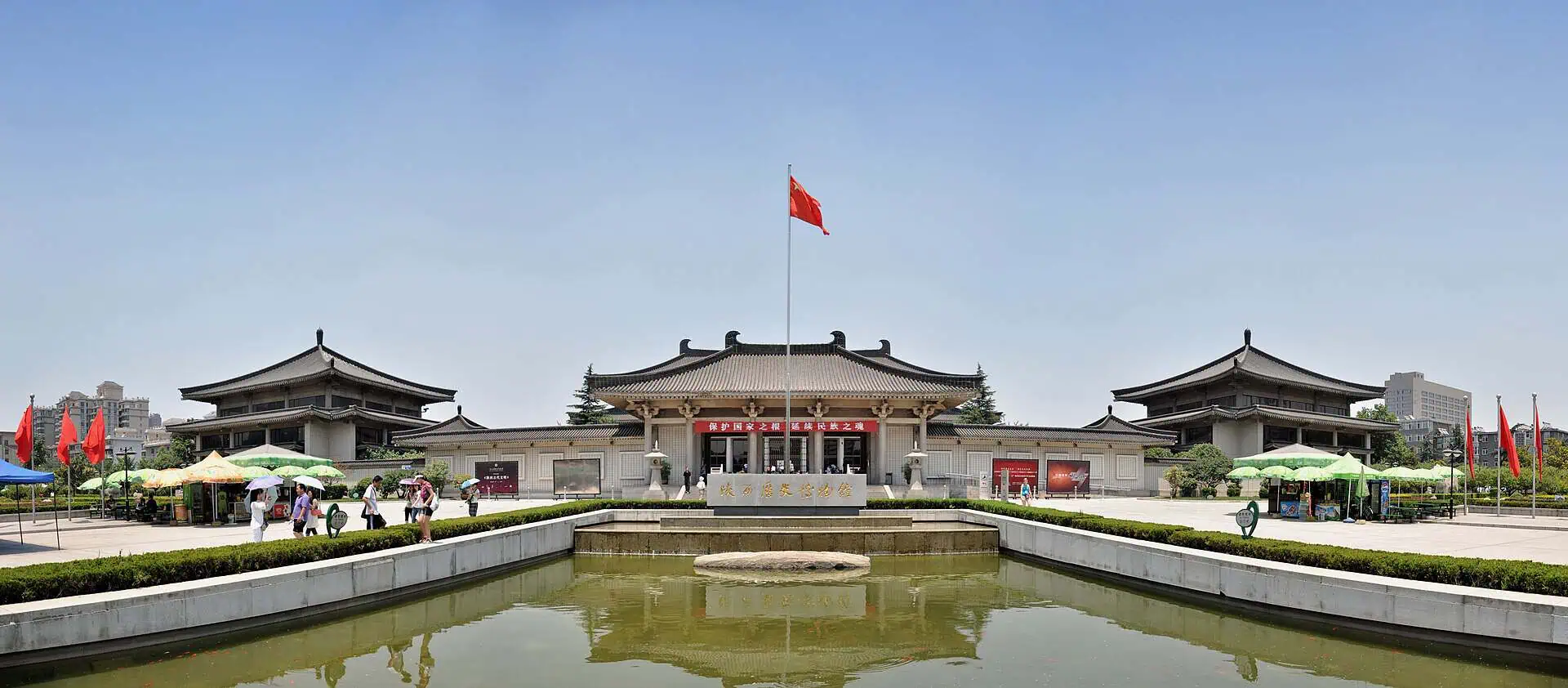
Shaanxi History Museum
Every layer of Xi'an's time stack under one roof — Zhou bronzes, Han gold and Tang treasure.
Learn more →