Louguantai
Lóuguāntái
The cradle of Daoism — where Laozi is said to have taught the Dao De Jing.
Entry
From ¥45
Hours
Daily · 9:00
Time needed
3–6 hours
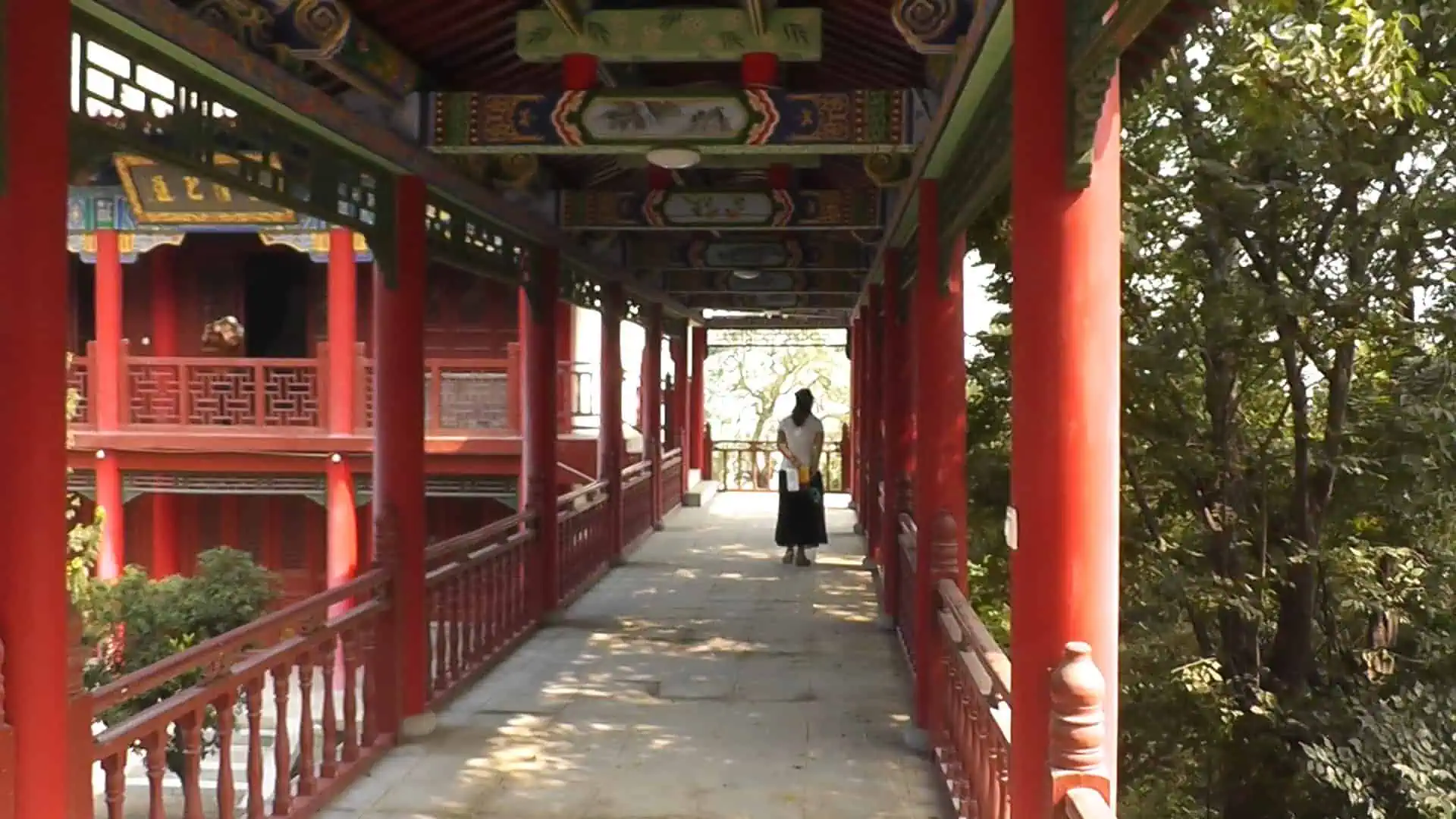
Louguantai is the most sacred site in Daoism: the terrace in the Zhongnan foothills where, around 500 BC, the old librarian Laozi supposedly paused on his way west and taught the official Yin Xi the 5,000 characters of the Dao De Jing. It is a working Daoist complex of 30-odd halls and pavilions climbing a forested mountainside 70 km southwest of Xi'an — rewarding for anyone interested in Daoism, Chinese religion, or mountain temples, and skippable if you are not. Pair it with a Qinling-mountain afternoon.
What happened here
The story is the whole point of the place. Laozi (老子), keeper of the Zhou archives, had had enough of court life and rode west toward the frontier. At Hangu Pass the official Yin Xi (尹喜) would not let him through without leaving his teaching behind — so Laozi dictated the Dao De Jing (道德经) and rode on. Louguantai (楼观台, lóuguāntái — "tower-view terrace") is the mountain where, the tradition says, he then explained the text to Yin Xi from a raised platform still called the 说经台 (shuōjīngtái, "scripture-preaching platform").
Whether any of it is literally true is beside the point. Daoism has treated Louguantai as its birthplace for nearly two millennia — the Tang emperor Xuanzong built a grand imperial temple complex here (he claimed Laozi as his ancestor), and Daoist priests still live and worship on the mountain. "天下第一福地" — the number-one blessed place under heaven — is how Daoists refer to it.
What to see
The site spreads across two zones. The lower 宗圣宫 (Zongsheng Gong) ruins are the remains of the Tang imperial temple — stone pillars, ancient cypresses (some planted, the story goes, a thousand years ago), and a quiet, contemplative atmosphere. Above it, the 说经台 climbs the mountain via a chain of halls and pavilions — Daoist shrines, ginkgo trees blazing gold in November, and views back over the Guanzhong plain toward Xi'an.
A few kilometres further west is 西楼观 (West Louguantai), where tradition places Laozi's tomb (老子墓) and the cave 吾老洞 where he is said to have died. The whole complex is best as a slow half-day of walking between halls — it is a pilgrimage site more than a museum, and the appeal is the setting and the stillness as much as any single object.
Getting there
Louguantai is about 70 km southwest of Xi'an — a 1.5–2 hour trip. Without a car, the easiest options are the 环山旅游1号线 tourist bus (which loops the southern mountains and stops here) or a direct bus from Xi'an's 丰庆路汽车站 (Fengqing Road bus station). With two or more people, a DiDi or taxi each way is reasonable and far less hassle. There is no metro — this is rural Zhouzhi County. Go in late October to November if you can: the ginkgoes are the reason locals time their visit.
Questions, answered
Is Louguantai worth it if I don't know anything about Daoism?
Only marginally. The mountain setting and Tang-era cypresses are lovely, but the meaning of the site is Daoist. If Chinese religion or Laozi means something to you, it is a genuine pilgrimage site; if not, a half-day at Huaqing Palace or the city wall is a better use of the time.
Do I need a whole day?
Half a day covers the main terrace and Zongsheng Gong ruins; a full day lets you walk out to West Louguantai and Laozi's tomb. Either way, budget the travel time — it is 1.5–2 hours each way from Xi'an.
When is the best time to go?
Late October through November, when the ancient ginkgo trees turn gold. It is also Xi'an's best weather. Avoid the Lunar New Year period and major Daoist festivals, when the site is packed with pilgrims.
Keep exploring
Mount Huashan Day Trip
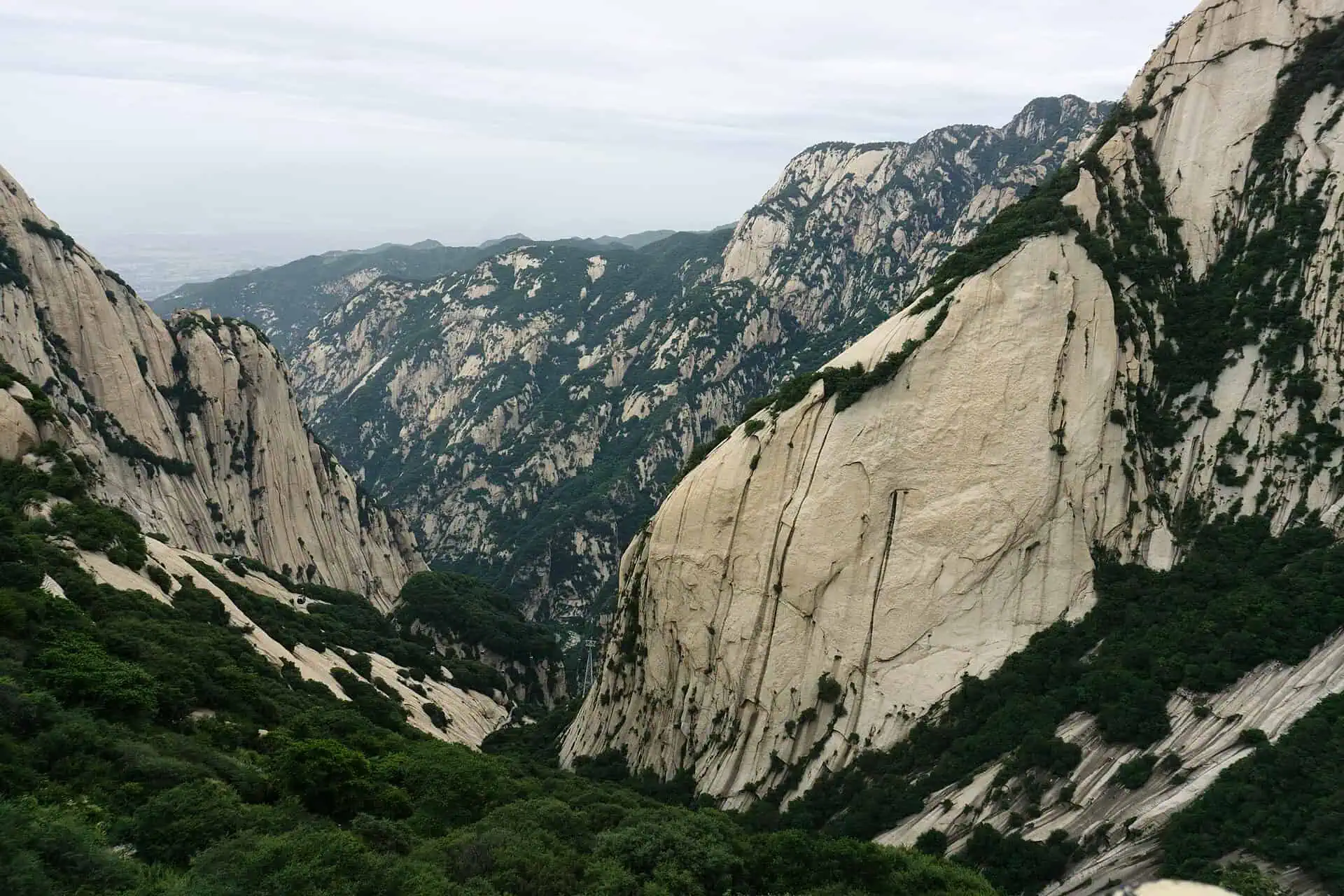
Sacred for 2,000 years, infamous for one plank path — China's most dramatic granite peaks, an hour from Xi'an by bullet train.
Learn more →
Famen Temple
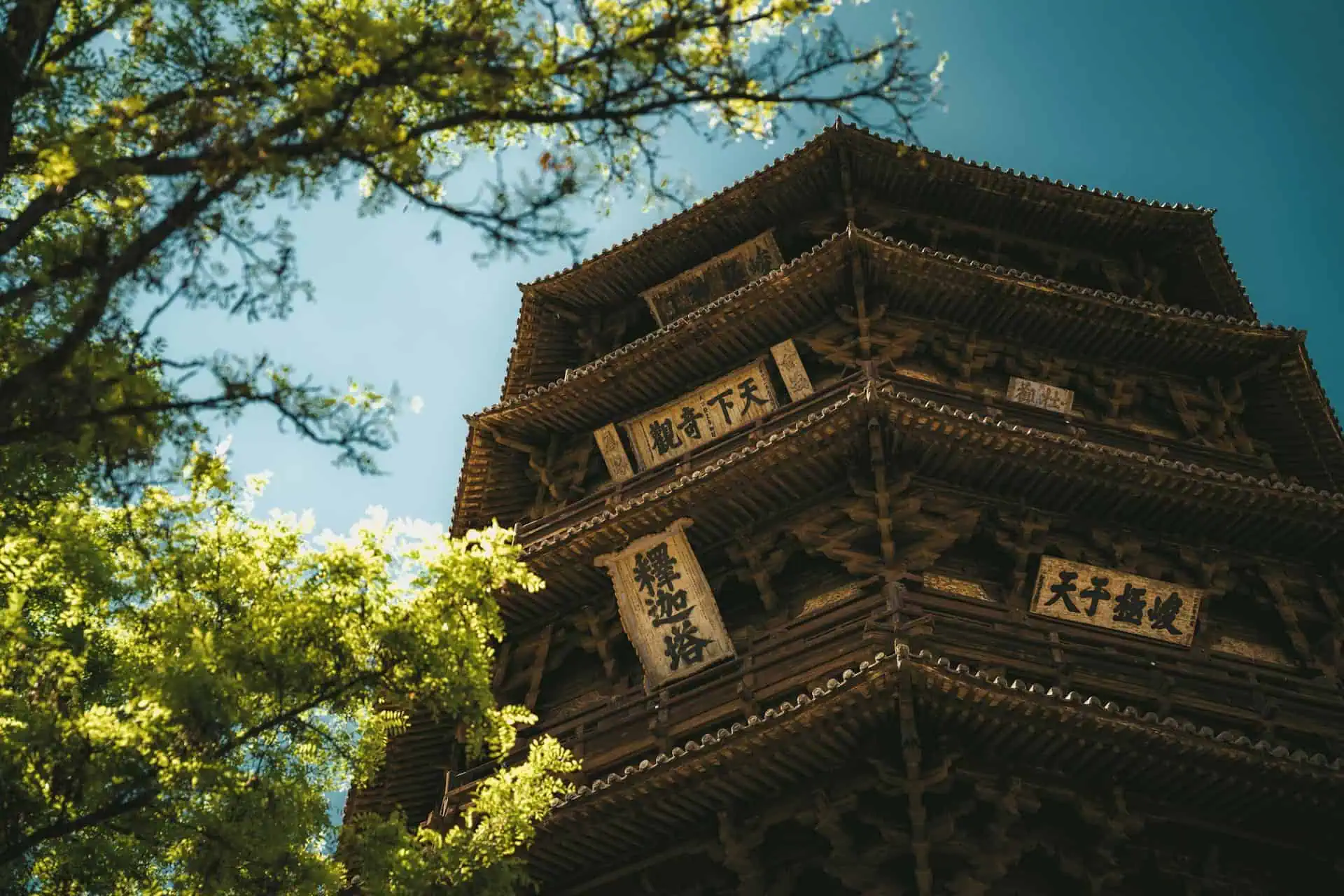
A Buddha finger bone sealed in a Tang crypt in 874 AD, the treasure vault beside it, and one very large diamond — 120 km west of Xi'an.
Learn more →
Hukou Waterfall
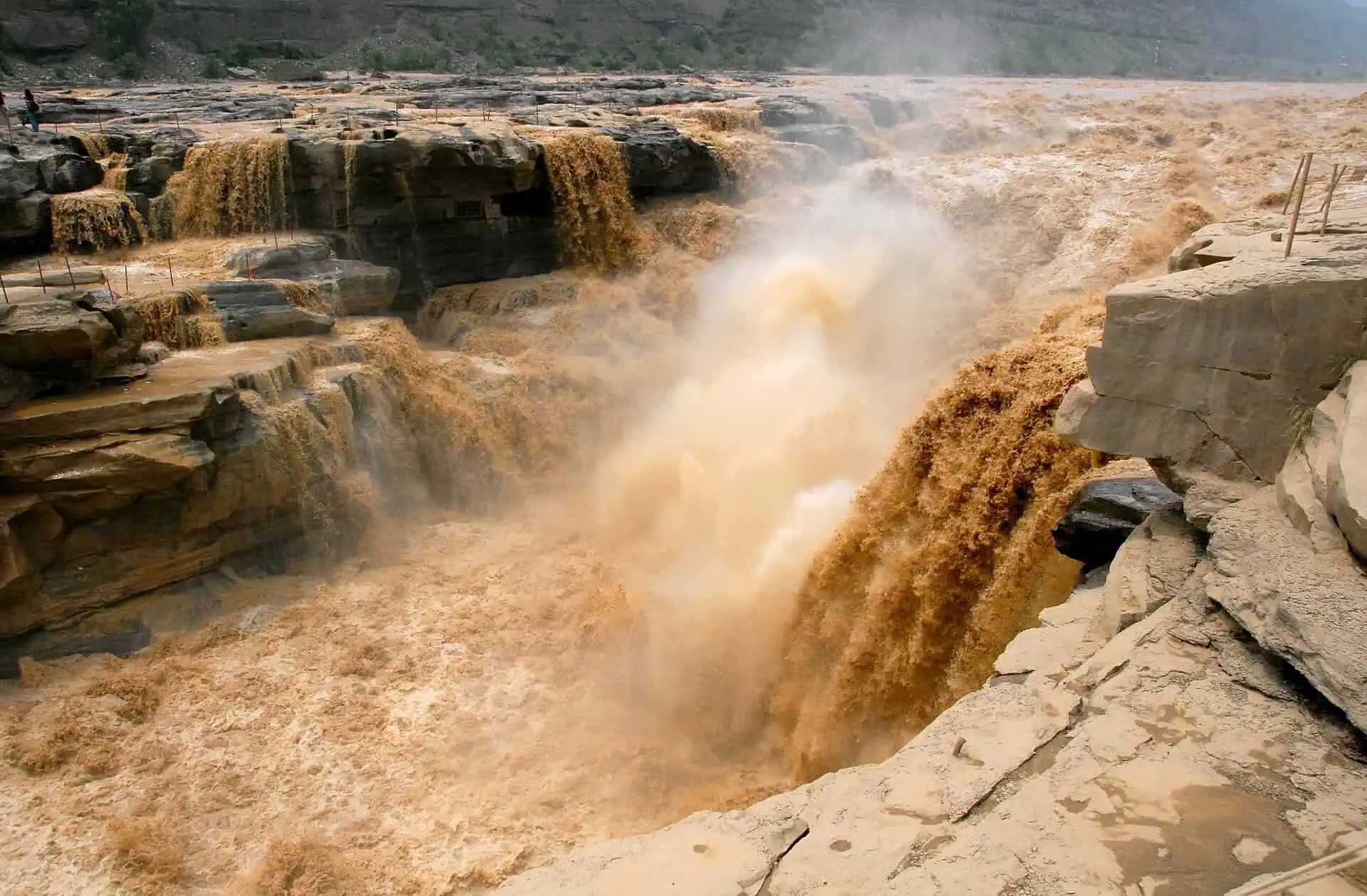
The Yellow River's temper, carved into rock since before any dynasty — the mightiest amber falls in China, four hours by road from Xi'an.
Learn more →