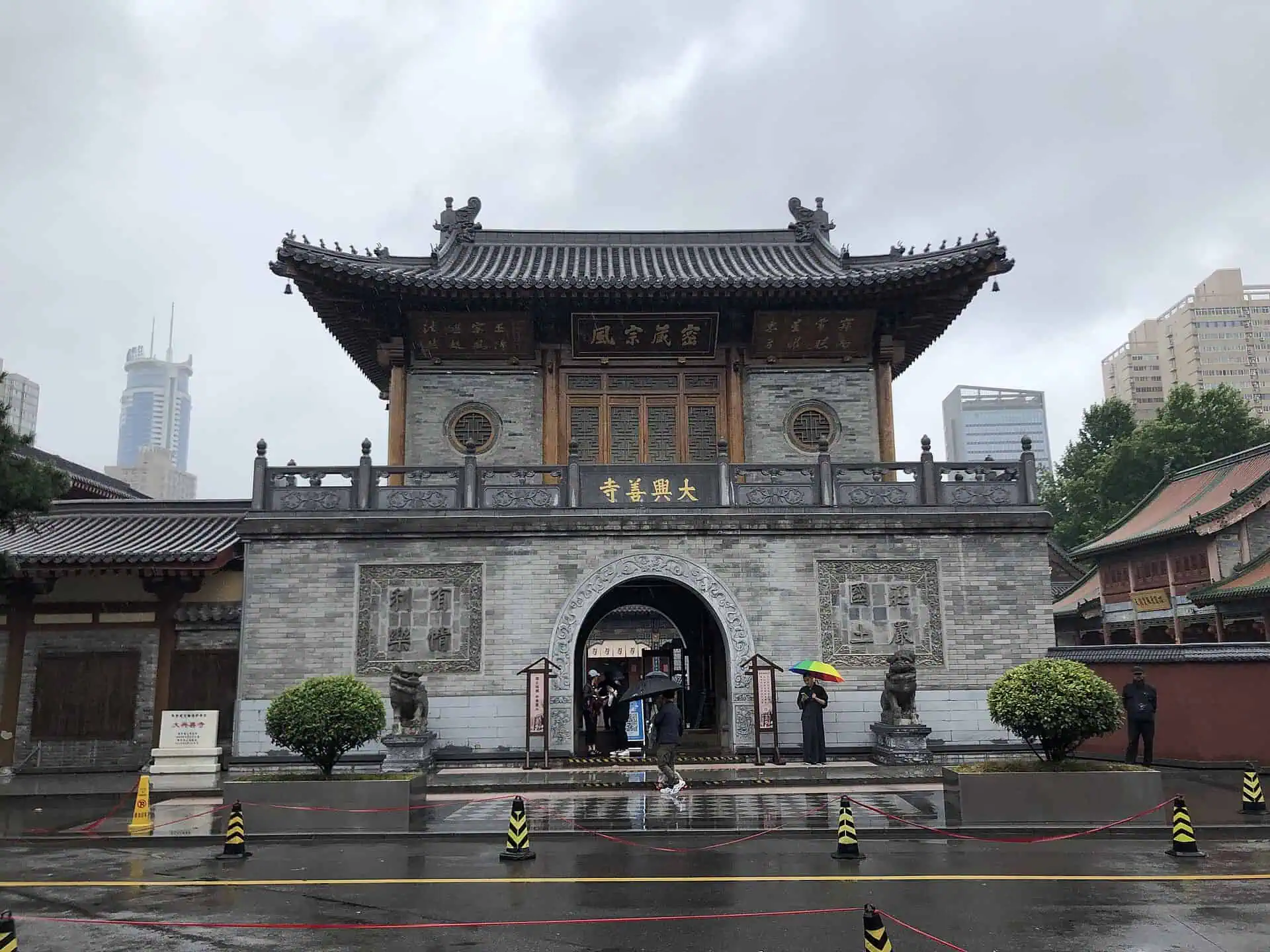
Daxingshan Temple
Dàxīngshàn Sì
The 1,700-year-old temple where Japanese Buddhism was born — free, pigeon-filled, and five minutes from Xi'an's busiest mall.
Entry
Free
Hours
Mon–Sun · 8:00
Time needed
45 min–1½ hours
Metro
Line 2 · Xiaozhai (小寨) · A
One of Xi'an's oldest Buddhist temples, founded around 265 AD and famous as the place where the Japanese monk Kūkai trained before founding Shingon Buddhism back home — which is why you'll share the courtyards with Japanese pilgrims. It's a working temple, not a museum: incense, chanting, ancient cypresses and a lot of pigeons. Compact and genuinely calm despite sitting next to the Xiaozhai shopping district; skip it only if you're completely templed out.
What you're looking at
Daxingshan Temple (大兴善寺, Dàxīngshàn Sì) traces its founding to around 265 AD, under the Western Jin — making it older than most of what survives in Xi'an. Its real claim to fame is Tang-dynasty: in the 8th and 9th centuries this was the headquarters of Chinese Esoteric Buddhism, where Indian monks translated sutras and the master Huiguo (惠果, Huìguǒ) taught. In 804 a young Japanese monk named Kūkai (空海) arrived here, studied under Huiguo, and carried the teachings back to Japan, where he founded the Shingon (真言宗, "True Word") school — today one of Japan's major Buddhist traditions, with millions of followers. For them, this temple is ground zero.
What you actually see is a classic Chinese temple plan along a central axis — gate, Heavenly Kings hall, main hall, sutra library at the rear — set among cypress trees, some centuries old. Flocks of pigeons own the front courtyard (locals buy feed from vendors at the gate), and the smell of incense hangs over everything. Look for the Kūkai memorial and the stone carvings marking the temple's Japanese connection — usually surrounded by tour groups from Osaka doing the same.
This is a living temple. Monks chant morning and evening services, and most of the people around you are here to pray, not to sightsee. That working-temple atmosphere is the point.
Visiting strategy
Come before 9:30. Early morning is local worshippers, incense smoke and pigeons; by late morning the Japanese pilgrimage groups and domestic tourists arrive. It's never crushingly crowded, but the quiet is the asset.
How long: 45 minutes to an hour at a thoughtful pace. There is no big "sight" to queue for — the reward is texture and calm.
Pair it with the neighborhood. The temple sits in Xiaozhai, Xi'an's student-and-shopping district. The Shaanxi History Museum is a 15-minute walk east (book ahead — it sells out), and Saige Mall is directly across the intersection if you want the total opposite of temple serenity in the same afternoon. The Big Wild Goose Pagoda is one metro stop or a 20-minute walk further east.
Etiquette: modest dress, no photos of worshippers mid-prayer, step over thresholds rather than on them. Incense is free at the donation boxes near the main gate — take three sticks if you want to take part.
Getting there
The temple is on Xingshansi West Street (兴善寺西街), a leafy lane just east of the Xiaozhai crossroads — one of the easiest sights in Xi'an to reach.
- Metro: Line 2 or Line 3 to Xiaozhai station (小寨), exit A, then a 5-minute walk. You'll pass the street's vegetarian restaurants and Buddhist-goods shops on the way — a decent warm-up act.
- Taxi/DiDi: ¥10–15 from the Big Wild Goose Pagoda or the Bell Tower area; show the driver 大兴善寺.
- On foot: about 20 minutes west from the Big Wild Goose Pagoda along Xiaozhai East Road — flat and straightforward.
Practical notes
- Cost: free, no reservation — walk straight in.
- Food: Xingshansi West Street outside the gate is lined with vegetarian restaurants (素菜馆) attached to the temple's tradition — a cheap, meat-free lunch runs about ¥30. See our vegetarian eating guide if that's your thing.
- Japanese pilgrims: don't be surprised by Japanese-language signage and tour groups; the temple actively maintains its Shingon link.
- Kids: the pigeons are the highlight for children; bring small change for feed.
- Facilities: basic toilets inside; no café. The Saige mall across the road covers everything else.
Questions, answered
Is Daxingshan Temple worth visiting?
Yes, especially since it's free and sits right on Metro Line 2. It's one of Xi'an's oldest temples with a genuinely fascinating Japan connection, and it takes under an hour. Pair it with the Shaanxi History Museum or the Big Wild Goose Pagoda rather than making a special trip.
Why do so many Japanese tourists visit Daxingshan Temple?
Because Japanese Shingon Buddhism started here. In 804 the monk Kūkai studied Esoteric Buddhism under Master Huiguo at this temple, then founded the Shingon school in Japan. For Shingon followers, visiting Daxingshan is a pilgrimage to their tradition's birthplace.
Do you need tickets for Daxingshan Temple?
No — entry is free and no reservation is needed. It's open roughly 8:00–17:00 daily. Donations and incense are optional.
How long do you need at Daxingshan Temple?
45 minutes to an hour is right for most visitors — it's a compact complex of courtyards and halls. Come early in the morning if you want the chanting and the calm.
Keep exploring
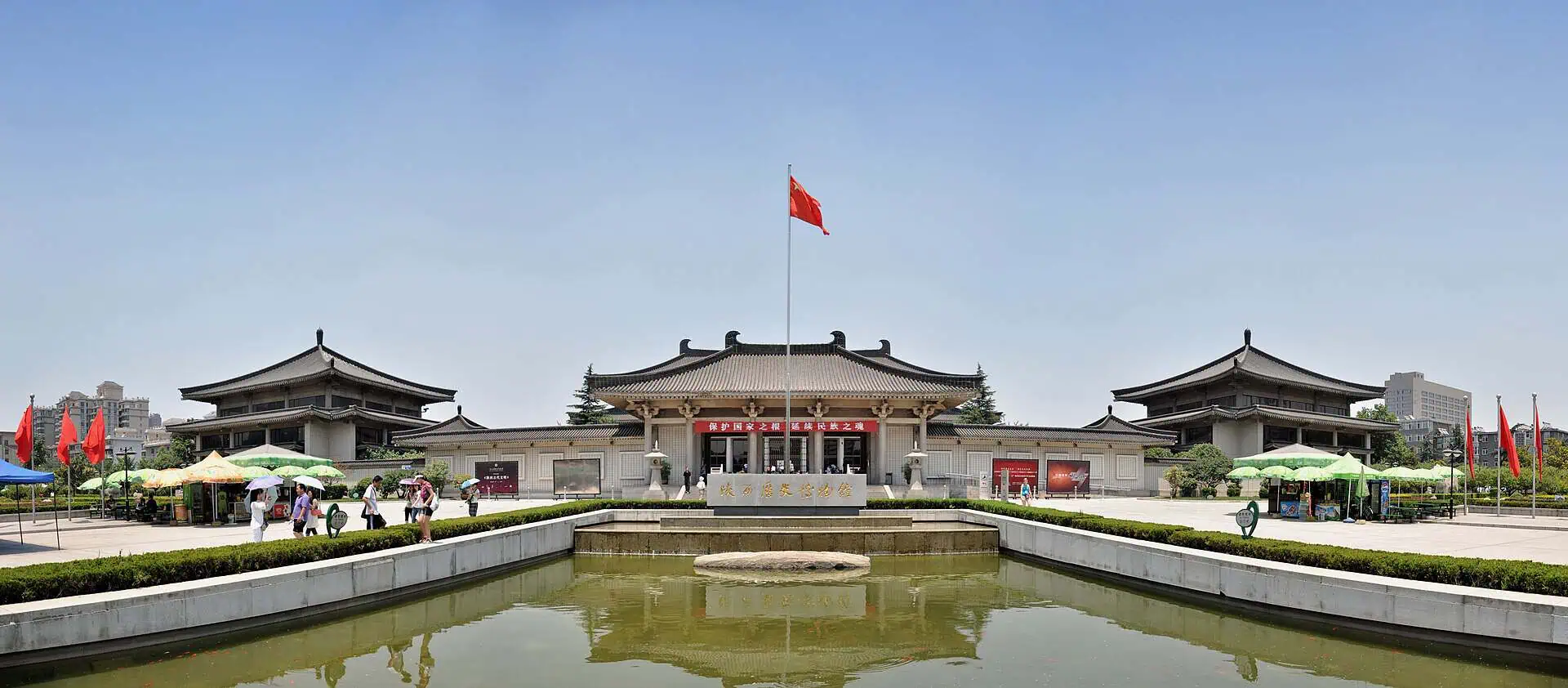
Shaanxi History Museum
Every layer of Xi'an's time stack under one roof — Zhou bronzes, Han gold and Tang treasure.
Learn more →
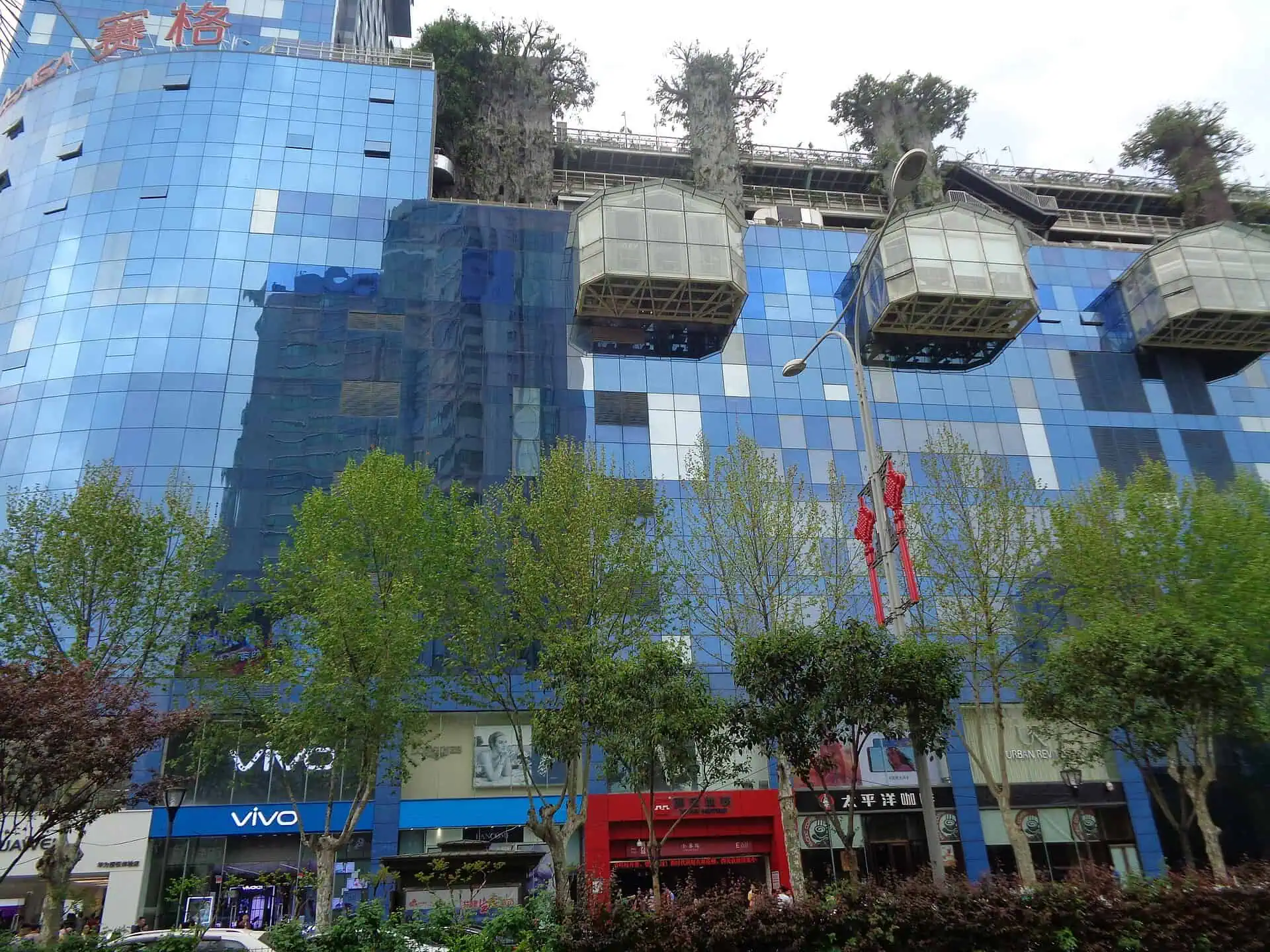
Saige International Shopping Center
A 50-meter escalator, an indoor waterfall and the busiest mall in western China — modern Xi'an's consumer engine under one roof.
Learn more →
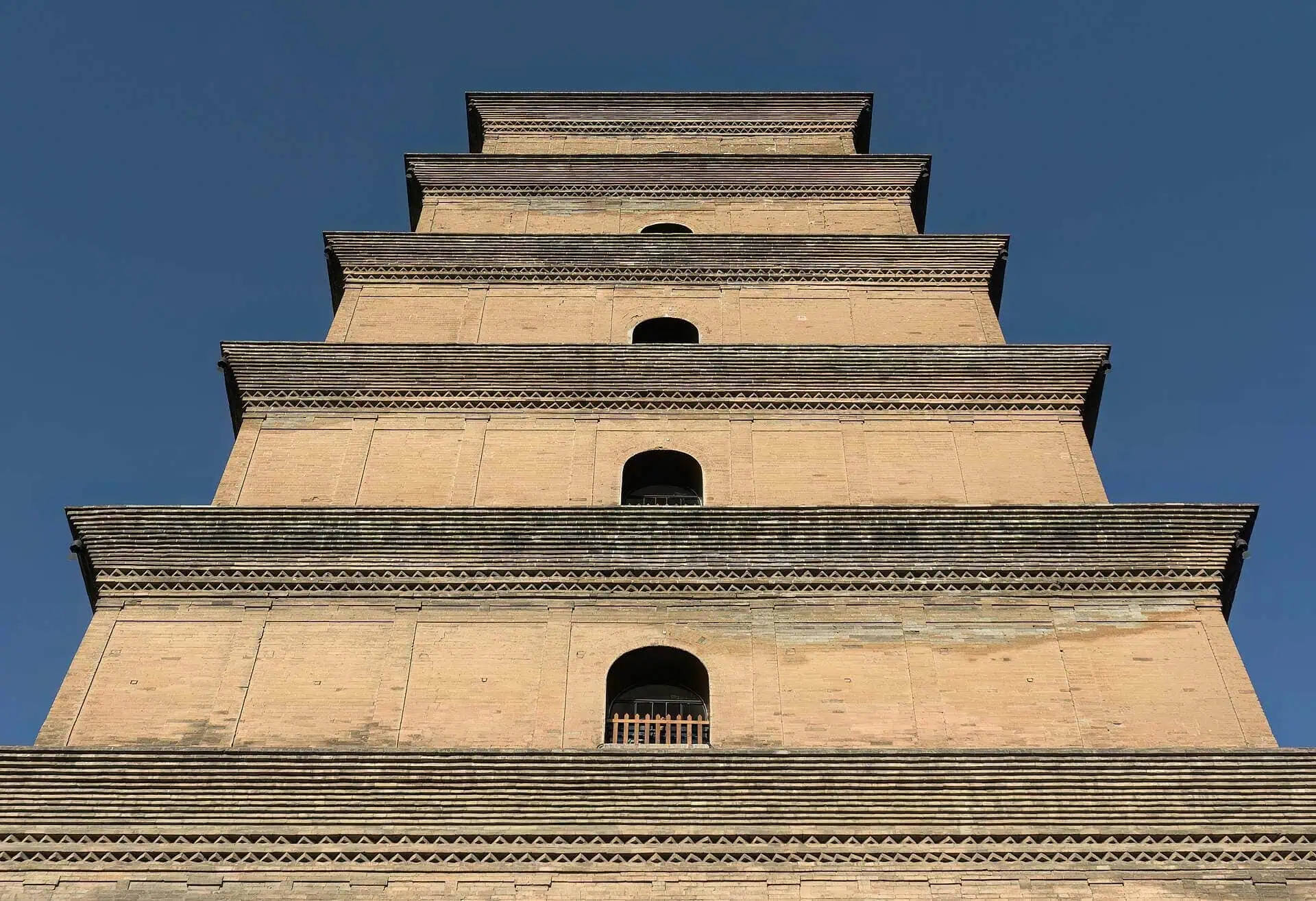
Big Wild Goose Pagoda
A Tang brick pagoda raised in 652 AD for a monk's 17-year journey to India — still Xi'an's defining landmark.
Learn more →